
Ramsar Wetlands like Patna Bird Sanctuary and Chhari-Dhand in India are crucial for migratory birds, biodiversity, and climate regulation. Learn their ecological and exam relevance.
Patna Bird Sanctuary & Chhari‑Dhand Added to Ramsar List: A Boost to Wetland Conservation in India
Introduction: India Strengthens Wetland Protection
India has recently achieved a major milestone in environmental conservation with the addition of two new wetlands — Patna Bird Sanctuary in Uttar Pradesh and Chhari‑Dhand Conservation Reserve in Gujarat — to the prestigious Ramsar Sites list. This inclusion marks a significant step forward in recognizing and protecting ecosystems that are valuable not only regionally but internationally.
What Are Ramsar Wetlands and Their Importance
The Ramsar Convention on Wetlands is a global treaty adopted in 1971 in Ramsar, Iran. It aims to conserve and promote the wise use of wetlands due to their critical role in supporting biodiversity, water regulation, and ecological balance. Sites designated under this treaty are formally known as “Wetlands of International Importance”. India became a signatory to this convention on February 1, 1982.
Ramsar wetlands are invaluable for:
- Supporting millions of migratory and resident bird species.
- Maintaining ecological balance and habitat stability.
- Providing ecosystem services like groundwater recharge and climate regulation.
- Serving as natural buffers against floods and droughts.
Patna Bird Sanctuary: A Hub of Avian Diversity
Located in Etah district of Uttar Pradesh, Patna Bird Sanctuary is one of the state’s richest small wetlands. Despite covering just around 108.8 hectares, it plays a crucial role in maintaining avian biodiversity.
Key Features
- Acts as a major winter refuge for over 50,000 migratory birds each season.
- Home to 178 bird species, including rare and endangered ones.
- Supports 252 identified plant species and diverse fauna such as nilgai, jackals, and wild cats.
By gaining the Ramsar tag, this sanctuary’s ecological significance and conservation efforts will be further strengthened.
Chhari‑Dhand, Gujarat: A Unique Desert Wetland
Situated in the Kutch region, Chhari‑Dhand is a seasonal saline wetland set amidst arid grasslands and salt flats. It becomes especially vibrant during the monsoon when it expands and offers vital habitat for wildlife.
Ecological Highlights
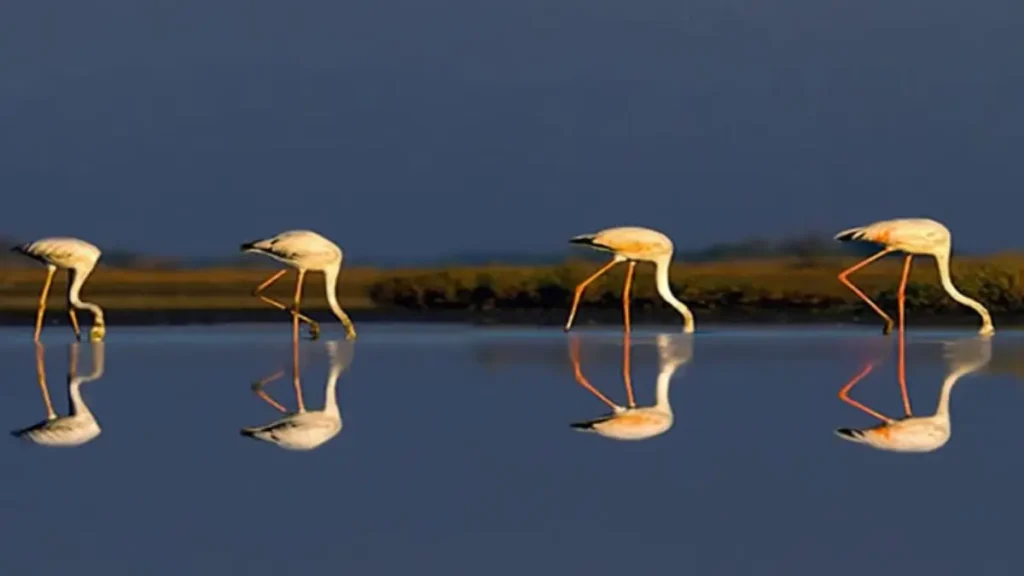
- Supports a rich diversity of bird species, including Common Cranes and Greater Flamingos.
- Provides a home to desert wildlife like chinkara, wolves, caracal, desert cats, and desert foxes.
Chhari‑Dhand’s Ramsar status not only recognizes its biodiversity but also reinforces conservation in an arid landscape where such ecosystems are rare.
India’s Growing Ramsar Network
With these two additions, India now has 98 Ramsar wetland sites, up from only 26 in 2014. This reflects an impressive 276% growth in Ramsar designations over the last decade, showcasing India’s dedication to biodiversity and sustainable development.
Policy Signals
The expansion of Ramsar sites underlines:
- India’s active participation in global environmental treaties.
- Efforts to combat climate change.
- Strengthening natural habitats for migratory species.
- Promotion of eco‑tourism and environmental education.
Conclusion
The recognition of Patna Bird Sanctuary and Chhari‑Dhand as Ramsar sites is a significant achievement for India’s environmental policies. It highlights the importance of wetlands in ecological stability, climate mitigation, and supporting diverse life forms. For aspirants preparing for government exams like UPSC, PCS, SSC, banking, railways, and teaching roles, this development is a key topic under Environment and Ecology.

Why This News Is Important
Significance for Competitive Exams
The addition of new Ramsar sites holds relevance for multiple government exam syllabuses:
- GS Paper I (Environment & Ecology): Topics like biodiversity hotspots, wetland conservation, international treaties.
- Geography & Biology Sections: Distribution and importance of wetland ecosystems.
- Current Affairs: Demonstrates government actions on environmental protection and sustainable development.
International Environmental Commitment
The Ramsar designation reflects India’s proactive commitment to global conservation frameworks. This is particularly important as wetlands play a critical role in combating global issues like climate change, loss of biodiversity, and water scarcity.
By understanding this news, students can better grasp how international treaties influence national policy and why such ecological recognitions are important for both local communities and global environmental goals.
Historical Context: Wetland Conservation & Ramsar Convention
Origins of the Ramsar Convention
- The Ramsar Convention on Wetlands was established in 1971 in Ramsar, Iran as the first global treaty focusing solely on wetland conservation.
- The aim was to provide a framework for national action and international cooperation in conserving wetland ecosystems and their resources.
India’s Journey in Wetland Conservation
- India signed the convention on 1st February 1982, becoming one of the early adopters of this international commitment.
- At the time, India had fewer Ramsar sites. Since then, number has grown significantly, reflecting expanded environmental awareness and policy action.
Global Importance of Ramsar Sites
- Today, countries around the world designate their most valuable wetland sites to receive international protection and recognition.
- Ramsar sites serve as indicators of ecological health, contribute to sustainable development, and are often tied to community livelihoods through eco‑tourism and habitat protection.
Key Takeaways from “New Ramsar Sites: Patna Bird Sanctuary & Chhari‑Dhand”
| S. No. | Key Takeaway |
|---|---|
| 1 | Patna Bird Sanctuary (Uttar Pradesh) and Chhari‑Dhand (Gujarat) have been added as Ramsar wetlands of international importance. |
| 2 | Ramsar Convention is a global treaty for wetland conservation adopted in 1971; India became a signatory in 1982. |
| 3 | India’s total number of Ramsar sites is now 98, a major increase from 26 in 2014. |
| 4 | Patna Bird Sanctuary is a crucial habitat for migratory birds and rich biodiversity in the Gangetic plains. |
| 5 | Chhari‑Dhand is a rare seasonal wetland in arid Kutch, supporting diverse bird and animal species. |
FAQs: Frequently Asked Questions
1. What is a Ramsar Site?
A Ramsar Site is a wetland designated under the Ramsar Convention on Wetlands as being of international importance due to its ecological, botanical, zoological, limnological, or hydrological significance.
2. When did India sign the Ramsar Convention?
India became a signatory to the Ramsar Convention on 1st February 1982 and has actively expanded its list of Ramsar wetlands since then.
3. Why were Patna Bird Sanctuary and Chhari‑Dhand added to the Ramsar list?
Both wetlands are biodiversity hotspots supporting migratory birds, endangered species, and unique ecosystems, making them internationally significant for wetland conservation.
4. How many Ramsar Sites does India currently have?
As of now, India has 98 Ramsar Sites, up from 26 in 2014, showing significant growth in wetland conservation efforts.
5. What is the significance of Ramsar Sites for students preparing for government exams?
Ramsar Sites are important under Environment & Ecology, Geography, and Current Affairs sections of exams like UPSC, PSCs, SSC, Banking, Railways, and teaching positions. They highlight government initiatives, biodiversity conservation, and international environmental commitments.
6. Which states are home to Patna Bird Sanctuary and Chhari‑Dhand?
Patna Bird Sanctuary is in Uttar Pradesh, and Chhari‑Dhand is in Gujarat’s Kutch region.
7. What types of species are found in these wetlands?
Patna Bird Sanctuary hosts over 178 bird species, while Chhari‑Dhand supports birds like Greater Flamingos and animals such as chinkara, desert fox, and wolves.
8. How do Ramsar Sites contribute to climate mitigation?
Wetlands act as carbon sinks, regulate water cycles, prevent floods, and support ecosystem resilience, contributing to climate change mitigation.
Some Important Current Affairs Links

