
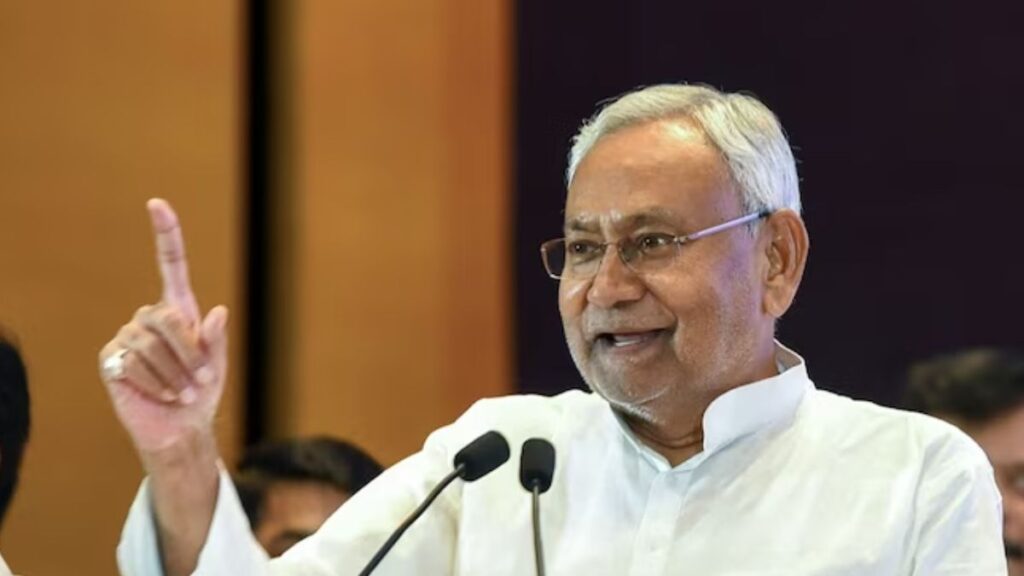
Bihar Sanitation Workers Commission announced by CM Nitish Kumar to ensure welfare, inclusion, and protection for over 4 lakh workers. Learn key points for exams.
Bihar CM Announces Formation of State Sanitation Workers Commission
Introduction: Landmark Decision for Sanitation Workers
Bihar Chief Minister Nitish Kumar has formally announced the establishment of the Bihar State Safai Karmachari Commission (also known in Hindi as Bihar Rajya Safai Karmachari Ayog) to safeguard rights and uplift sanitation workers across the state
Scope and Structure of the Commission
The newly constituted commission will include one Chairperson, one Vice‑Chairperson, and five additional members. At least one member will be a woman or a transgender person, making the body reflective of marginalized communities and inclusive in nature
Key Objectives and Responsibilities
The commission’s mandate covers welfare, protection, rehabilitation, grievance redressal, and monitoring implementation of government schemes for sanitation workers. It will also advise the state government and propose policy suggestions to improve working conditions and access to benefits
Significance Ahead of Bihar Assembly Elections
Announced in late July 2025, the decision is seen as a major welfare-focused political initiative ahead of the upcoming state assembly elections. It demonstrates the government’s commitment to social justice and empowerment of vulnerable sections of society
Inclusive Governance: Representation of Women and Transgender Community
By mandating representation from women or transgender individuals, the commission takes a progressive and inclusive stance—recognizing the importance of diverse perspectives in policy‑making for marginalized sanitation workers
Way Forward: Implementation and Impact
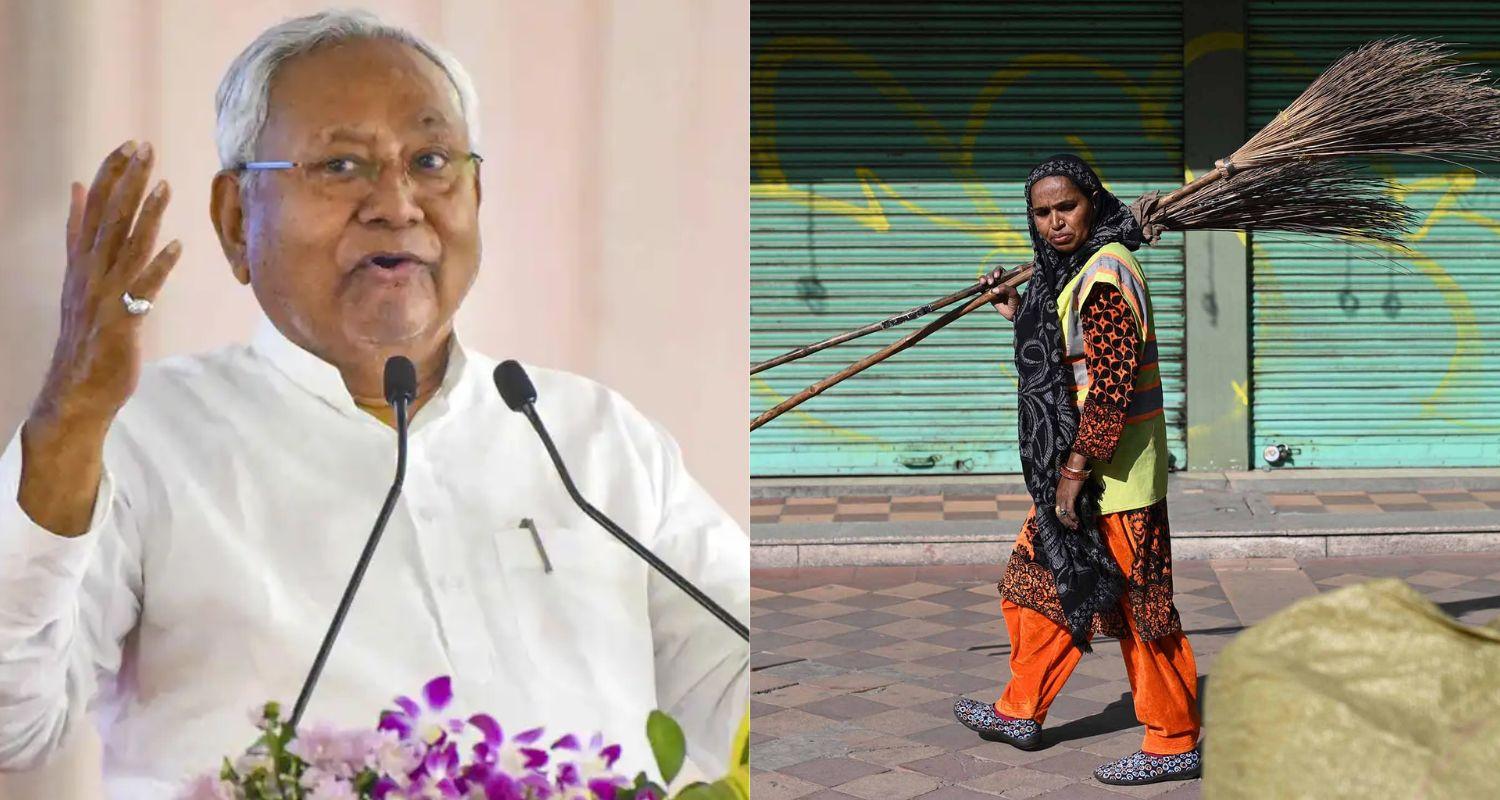
The success of the commission will depend on its operational independence, responsiveness to workers’ grievances, and coordination with urban local bodies and panchayats across Bihar. With an estimated 4 lakh sanitation workers in the state’s urban and rural jurisdictions, the commission plays a critical role in their mainstreaming and socio‑economic upliftment
Why This News Is Important
For Government Exam Aspirants
This initiative marks a significant policy development in the domain of labour welfare and social justice—an area that frequently features in questions for UPSC, State PSCs, banking, defence, railways, and teaching exams.
Intersection of Welfare and Inclusive Governance
The commission’s composition, which mandates representation of women and transgender members, reflects evolving norms around inclusion and marginalised communities—key themes under social justice topics in exams.
Policy Implementation and Governance Mechanism
Understanding the working of such state‑level commissions, their powers, and structures helps students answer questions in polity, governance, and public administration sections.
Electoral Governance Context
Given its timing ahead of elections, this exemplifies welfare politics, election strategy, and administrative decision‑making—a case study for political science and public policy.
Historical Context
Background: Sanitation Workers in India
Sanitation workers (safai karmacharis) in India have historically faced hazardous work conditions, social stigma, irregular wages, and inadequate access to benefits. Despite legislation such as the Employment of Manual Scavengers and Construction of Dry Latrines (Prohibition) Act, 1993, significant challenges remain in rehabilitation and welfare
Past Initiatives: Swachh Bharat Mission and Welfare Schemes
Under the national Swachh Bharat Mission, India sought to eliminate open defecation and improve sanitation infrastructure. However, concerns grew around worker safety and rights. State commissions and central schemes were gradually discovered to need structured mechanisms for grievance redressal and rehabilitation
State-Level Reform: Bihar’s Push for Reform
Under Chief Minister Nitish Kumar, Bihar has undertaken several social welfare measures. The announcement of the Safai Karmachari Commission continues a trend of institutionalising worker protections and integrating marginalized communities into decision‑making bodies.
Key Takeaways from “Commission for Sanitation Workers in Bihar”
| S. No. | Key Takeaway |
|---|---|
| 1 | Formation of Bihar State Safai Karmachari Commission to safeguard sanitation workers’ rights and welfare. |
| 2 | Commission structure includes Chairperson, Vice‑Chairman, and five members, with mandatory representation of women or a transgender person. |
| 3 | Mandate includes protection, rehabilitation, grievance redressal, social upliftment, and scheme monitoring. |
| 4 | Especially relevant ahead of Bihar Assembly elections as a progressive, inclusive welfare measure. |
| 5 | Estimated to cover around 4 lakh sanitation workers under Bihar’s urban local bodies and panchayats. |
Frequently Asked Questions (FAQs)
1. What is the Bihar State Safai Karmachari Commission?
It is a newly formed state-level body by the Bihar government for the welfare, protection, and upliftment of sanitation workers, including addressing grievances and monitoring schemes.
2. Who announced the formation of the Commission?
Bihar Chief Minister Nitish Kumar announced the formation of the commission in July 2025.
3. How many members will the commission have?
The commission will comprise seven members—a Chairperson, Vice-Chairperson, and five other members.
4. Is there any reservation for women or transgender individuals in the commission?
Yes, at least one member must be a woman or a transgender person, ensuring inclusivity and representation.
5. Why is the formation of this commission significant for exams?
This development is important for topics related to Indian Polity, Social Justice, Welfare Schemes, and Governance, which are common in UPSC, State PSC, SSC, and other government exams.
6. What are the main responsibilities of the commission?
The responsibilities include welfare, rehabilitation, grievance redressal, and advising the government on sanitation workers’ rights and schemes.
7. How does this decision impact upcoming Bihar Assembly elections?
It is viewed as a strategic welfare measure to attract marginalized community votes and improve the state’s social equity image.
8. How many sanitation workers are expected to benefit in Bihar?
Around 4 lakh sanitation workers employed in urban and rural areas across Bihar will benefit.
9. Is this commission unique to Bihar?
While other states may have similar bodies, Bihar’s commission is notable for its inclusivity and pre-election timing, making it a model for welfare politics.
10. Under which topics in government exams can this news be categorized?
This news falls under Indian Polity, Labour Welfare, Social Justice, State Governance, and Inclusive Policy Initiatives.
Some Important Current Affairs Links

