

Nagshankar Temple in Assam: A Modern Sanctuary for Turtle Conservation
Introduction
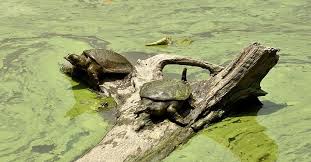
On World Turtle Day, May 23, 2025, Nagshankar Temple in Assam was officially designated as a model site for turtle conservation. This recognition highlights the temple’s significant role in preserving endangered turtle species, particularly the black softshell turtle (Nilssonia nigricans), within its sacred pond.
Location and Historical Significance
Nagshankar Temple is situated in Biswanath district, near Sootea town, approximately 70 km from Tezpur, Assam. Believed to have been constructed in the 4th century AD by King Nagashankar of the Nagakha dynasty, the temple is dedicated to Lord Shiva. Over time, it has also become a sanctuary for various turtle species, revered in Assamese culture as incarnations of Lord Vishnu.
Ecological Role and Biodiversity
The temple’s pond serves as a habitat for over 250–300 turtles, including critically endangered species like the black softshell turtle. Additionally, the pond supports other wildlife such as peacocks, pythons, and deer, making it a micro-wildlife sanctuary. The pond is fed by the Brahmaputra River basin, providing a suitable environment for these species.
Conservation Efforts and Community Involvement
Conservation initiatives at Nagshankar Temple involve collaboration between the temple committee, Turtle Survival Alliance (TSA) India, Help Earth, and Kaziranga National Park. These efforts include artificial incubation of turtle eggs and the release of hatchlings into the wild. Community members known as “Kaso Mitras” play a vital role in protecting the turtles and raising awareness about their conservation.
Expansion of Conservation Initiatives
Inspired by Nagshankar Temple’s success, approximately 25 other temples across Assam have been transformed into conservation hubs for turtles. These temples now participate in preserving various turtle species, contributing to the broader conservation efforts in the region.
Why This News Is Important
Significance of Turtle Conservation
Turtles play a crucial role in maintaining the health of aquatic ecosystems by controlling the population of invertebrates and maintaining the balance of the food chain. Conserving turtle species ensures the stability of these ecosystems, which are vital for biodiversity.
Cultural Integration with Conservation
The integration of conservation efforts with cultural and religious practices in Assam demonstrates a harmonious approach to preserving biodiversity. The reverence for turtles as sacred beings has facilitated their protection within temple ponds, highlighting the potential of blending tradition with modern conservation strategies.
Community Engagement and Awareness
The involvement of local communities, particularly the “Kaso Mitras,” in conservation activities fosters a sense of responsibility and awareness among the public. Such community-driven initiatives are essential for the long-term success of conservation programs.
Expansion of Conservation Models
The replication of Nagshankar Temple’s conservation model in other temples across Assam signifies the scalability and effectiveness of this approach. It serves as a blueprint for integrating conservation efforts into community and religious structures, potentially applicable in other regions with similar cultural contexts.
Contribution to National Conservation Goals
These localized conservation efforts align with national objectives to protect endangered species and preserve biodiversity. By safeguarding species like the black softshell turtle, Assam contributes to India’s commitments under international conventions for wildlife protection.
Historical Context
Ancient Reverence for Turtles
The practice of protecting turtles in temple ponds dates back centuries in Assam. Devotees traditionally donated turtles to these ponds as acts of piety, leading to the establishment of turtle populations within temple environments.
Decline and Conservation Challenges
Despite their sacred status, turtle populations faced threats due to habitat destruction, pollution, and human interference. In 2002, the International Union for Conservation of Nature (IUCN) classified the black softshell turtle as “Extinct in the Wild.” However, subsequent conservation efforts have led to the rediscovery and protection of these species in Assam’s temple ponds.
Modern Conservation Initiatives
In recent years, organizations like the Turtle Survival Alliance (TSA) India have collaborated with local communities and temple authorities to implement scientific conservation methods. These include artificial incubation of eggs, head-starting programs for hatchlings, and habitat restoration efforts, significantly improving the survival rates of endangered turtle species.
Key Takeaways from “Nagshankar Temple: A Model for Turtle Conservation”
| S.No | Key Takeaway |
|---|---|
| 1 | Nagshankar Temple in Assam is designated as a model site for turtle conservation. |
| 2 | The temple’s pond houses over 250–300 turtles, including critically endangered species. |
| 3 | Conservation efforts involve collaboration between TSA India, Help Earth, and local communities. |
| 4 | Approximately 25 temples across Assam have adopted similar conservation models. |
| 5 | The black softshell turtle is classified as “Critically Endangered” by the IUCN. |
FAQs: Frequently Asked Questions on Nagshankar Temple and Turtle Conservation
Q1: Where is Nagshankar Temple located?
A: Nagshankar Temple is located in Biswanath district near Sootea town, Assam.
Q2: Why is Nagshankar Temple important for turtle conservation?
A: The temple pond serves as a sanctuary for over 250 turtles, including the critically endangered black softshell turtle, making it a model site for turtle conservation.
Q3: Which organizations are involved in the conservation efforts at Nagshankar Temple?
A: Turtle Survival Alliance (TSA) India, Help Earth, Kaziranga National Park, and the local temple committee collaborate in the conservation activities.
Q4: What is the significance of the black softshell turtle?
A: The black softshell turtle is classified as critically endangered and is a species native to Assam, protected through conservation programs at temple ponds.
Q5: How has the local community contributed to turtle conservation at Nagshankar Temple?
A: Community members, known as “Kaso Mitras,” help protect turtles and raise awareness about conservation efforts in the area.
Q6: How many other temples in Assam have adopted turtle conservation efforts?
A: Around 25 other temples in Assam have transformed into turtle conservation hubs inspired by Nagshankar Temple.
Q7: What role do temple ponds play in biodiversity conservation?
A: Temple ponds provide a safe habitat for turtles and other wildlife, preserving endangered species and maintaining ecological balance.
Some Important Current Affairs Links

