
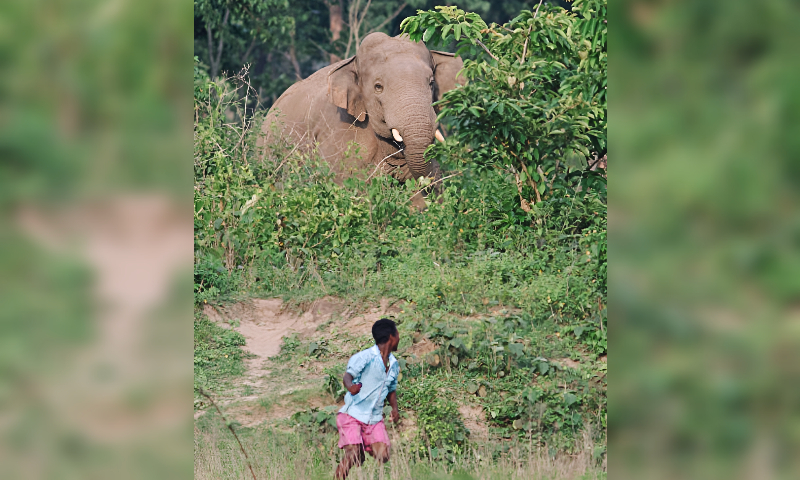
Gajah Mitra Scheme Assam 2025 launched to curb human–elephant conflicts through community participation, elephant-friendly habitats, and AI surveillance in 80 hotspot zones.
Assam Launches “Gajah Mitra” Scheme to Ensure Human–Elephant Coexistence
On July 11, 2025, the Assam Cabinet unveiled the Gajah Mitra initiative aimed at curbing rising human–elephant conflicts across the state With over 1,400 human fatalities and approximately 1,209 elephant deaths reported from 2000 to 2023, the urgency to address this ecological and societal crisis became paramount
Targeted Implementation in Conflict Hotspots
The scheme will be rolled out in 80 identified hotspot zones spanning eight conflict-prone districts—Goalpara, Udalguri, Nagaon, Baksa, Sonitpur, Golaghat, Jorhat, and Biswanath These areas have historically recorded frequent elephant incursions into agricultural lands and human settlements, resulting in tragedy and economic losses.
Elephant-Friendly Habitats and Vegetation Buffer Zones
One of the key strategies involves setting up dedicated elephant habitats stocked with elephant-preferred plant species such as Napier grass and bamboo This “green buffer” aims to naturally draw elephants away from farms and homes, reducing crop-raiding incidents by providing attractive alternative food sources within forests.
Community-Based Monitoring & Rapid Response Teams
Local communities will play a central role. Each hotspot village will establish an eight-member volunteer “Gajah Mitra” rapid response team, active for six months during peak paddy cultivation periods These volunteers will monitor elephant movements and use non-violent methods—like guiding elephants gently away—to prevent human–elephant confrontations.
Proactive & Collaborative Approach
As highlighted by Chief Minister Himanta Biswa Sarma, the scheme is about building a proactive support system to complement forest department efforts—promoting coexistence, safeguarding lives, and preserving elephant migration corridors The plan also includes using AI‑enabled cameras and community awareness programs to strengthen preparedness

Why This News Matters
A Critical Issue for Competitive Exams
This scheme is highly relevant across multiple exam syllabi, including Environment & Ecology, Government Policies, and Biodiversity, making it a valuable topic for exams like UPSC, SSC, CAPF, and IBPS. Questions may test the scheme’s features, objectives, or its significance for sustainable development.
Significance for Public Administration & Policy
The Gajah Mitra scheme exemplifies a balanced approach to governance—harmonizing human welfare and wildlife conservation. It reflects principles of decentralization and participatory governance, which are key themes in public administration and governance subjects.
Historical Context
Rise of Human–Elephant Conflicts in Assam
Since 2000, Assam has been grappling with intensified human–elephant conflicts. Contributing factors include habitat fragmentation, deforestation, encroachment on wildlife corridors, and the proliferation of unsafe electric fencing These issues have led to tragic outcomes—over 1,400 human deaths and 1,209 elephant fatalities between 2000 and 2023
Previous Mitigation Measures
Past efforts—like installing electric fences and bolstering forest patrols—helped but didn’t fully address root causes. The Gajah Mitra initiative is more comprehensive, introducing settlement-based monitoring, habitat resilience, and community ownership, representing a shift toward long-term coexistence strategies .
Key Takeaways from “Gajah Mitra”
| # | Key Takeaway |
|---|---|
| 1. | Launch Date & Objective: Introduced on July 11, 2025, to reduce human–elephant conflicts. |
| 2. | Geographic Focus: Covers 80 hotspots across eight high-risk districts in Assam. |
| 3. | Habitat Buffer Zones: Napier grass and bamboo plantations serve as elephant-friendly food reserves. |
| 4. | Community Rapid Response Teams: Eight-member village teams deployed during harvest season to divert elephants non-violently. |
| 5. | Technological & Collaborative Measures: Includes AI cameras, community awareness, and strengthening forest collaborations. |
Frequently Asked Questions (FAQs)
1. What is the Gajah Mitra Scheme?
The Gajah Mitra Scheme is an initiative launched by the Assam government to mitigate human–elephant conflicts by creating elephant-friendly habitats and involving local communities in wildlife monitoring and response.
2. Why was the scheme introduced in Assam?
Between 2000 and 2023, Assam recorded over 1,400 human deaths and 1,209 elephant fatalities due to conflicts. The scheme aims to prevent such incidents while ensuring ecological balance.
3. Which districts will implement the Gajah Mitra Scheme?
The scheme covers 80 conflict hotspot areas across 8 districts: Goalpara, Udalguri, Nagaon, Baksa, Sonitpur, Golaghat, Jorhat, and Biswanath.
4. What are the key features of the scheme?
Key features include creation of food-stocked elephant habitats (Napier grass, bamboo), formation of 8-member Gajah Mitra teams, community monitoring, and use of AI technology for tracking elephants.
5. How will this scheme help civil services and other exam aspirants?
The Gajah Mitra Scheme is a great example of participatory governance, biodiversity conservation, and public policy innovation, making it useful for UPSC, CAPF, State PSCs, and environment-related questions.
6. What is the duration of engagement for Gajah Mitra volunteers?
Gajah Mitras will work during peak human–elephant conflict seasons, particularly over six months during the paddy harvest and cropping period.
7. Are there any technological interventions in the scheme?
Yes, the scheme includes AI-enabled surveillance systems and early warning mechanisms to alert communities and forest departments.
8. What are elephant corridors and how does this scheme relate?
Elephant corridors are natural routes used by elephants for seasonal migration. The Gajah Mitra scheme aims to preserve these corridors while minimizing conflicts with human settlements.
Some Important Current Affairs Links

