
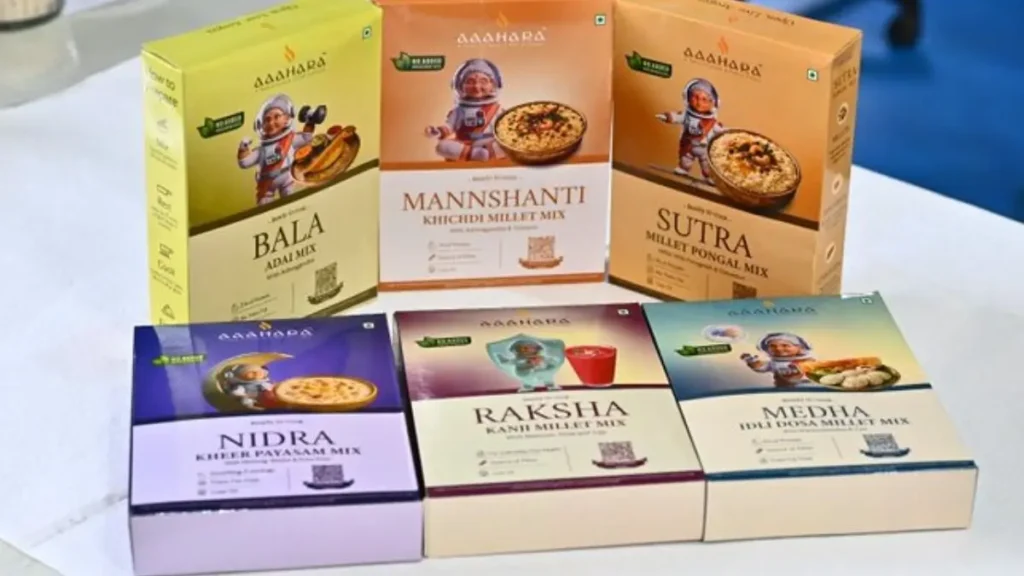
APEDA millet export New Zealand marks a historic milestone as India ships botanical-infused millet functional foods from Karnataka, boosting agri exports, farmers income, and global trade in functional foods.
India’s First Export of Botanical-Infused Millet Functional Foods to New Zealand
🌍 India Strengthens Global Millet Export Ecosystem
The Agricultural and Processed Food Products Export Development Authority (APEDA) has achieved a significant milestone by facilitating the first-ever sea shipment of botanical-infused ready-to-cook millet functional foods from Karnataka to New Zealand. The consignment was flagged off on 3 June 2026, marking a new phase in India’s value-added agri-export strategy.
The shipment consisted of one metric tonne of millet-based functional foods, produced and exported by Bengaluru-based company M/s Infini Agrotek LLP. This initiative highlights India’s transition from exporting raw agricultural commodities to high-value processed and functional food products.
🚢 Value-Added Millet Products Enter Global Markets
The exported products are not ordinary millets but botanical-infused functional foods, which combine the nutritional benefits of millets with plant-based extracts to enhance health value. These products fall under the rapidly growing global health food market segment, driven by increasing demand for organic, gluten-free, and nutrient-rich foods.
The shipment also demonstrates the success of APEDA’s trade promotion efforts through international platforms such as:
- World Food India 2025
- Indus Food 2025
- Gulfood 2026
These events helped Indian exporters build global business networks and secure international buyers.
📈 Boost to Farmers and Agri-Export Economy
The initiative is expected to significantly benefit millet farmers across India, particularly in states like Karnataka, Rajasthan, and Maharashtra. Increased demand for processed millet products will:
- Improve farmer income
- Promote millet cultivation
- Strengthen India’s agri-export ecosystem
This export also reinforces India’s position as a global leader in millet production and innovation.
🌾 Strategic Importance of Millets in Global Trade
Millets are increasingly recognized for their:
- High nutritional value
- Climate-resilient nature
- Low water requirement
- Suitability for sustainable agriculture
India’s push toward exporting value-added millet products aligns with global food trends and supports diversification of agricultural exports.

📌 Why This News is Important
🌐 Boost to India’s Global Trade Position
This development strengthens India’s role in the global agri-export market by shifting focus from raw commodities to processed and high-value food products. It enhances India’s brand as a supplier of innovative and health-oriented food solutions.
👨🌾 Impact on Farmers and Rural Economy
The initiative directly benefits millet-growing farmers by increasing demand for their produce. Higher export demand ensures better price realization and encourages sustainable farming practices in arid regions.
🏭 Promotion of Food Processing Industry
The export highlights the growing importance of India’s food processing sector. It encourages startups and agribusinesses to invest in functional food innovation, boosting employment and industrial growth.
🌍 Alignment with Global Health Trends
With rising global demand for gluten-free and plant-based foods, India’s millet-based functional foods align perfectly with international consumer preferences, especially in developed markets like New Zealand.
📚 Historical Context
Millets have been cultivated in India for thousands of years and are considered traditional “coarse grains”. However, their global recognition increased significantly after India promoted 2023 as the International Year of Millets.
Historically:
- Millets were primarily consumed in rural India as staple food.
- They were gradually replaced by rice and wheat in urban diets.
- In recent years, global awareness of nutrition and climate change has revived interest in millets.
The establishment of APEDA under the Ministry of Commerce and Industry has played a crucial role in:
- Promoting agri-export diversification
- Supporting food processing industries
- Facilitating global market access
This latest export marks the evolution of India’s millet sector from traditional consumption to global commercial trade in functional foods.
📊 Key Takeaways from “Millet Export to New Zealand”
| S.No | Key Takeaway |
|---|---|
| 1 | APEDA facilitated India’s first sea shipment of botanical-infused millet functional foods to New Zealand. |
| 2 | The export consignment consisted of 1 metric tonne of value-added millet-based products. |
| 3 | The shipment was sent by Bengaluru-based company M/s Infini Agrotek LLP. |
| 4 | Export was supported through APEDA trade fairs like World Food India 2025 and Gulfood 2026. |
| 5 | The initiative boosts farmer income and promotes India’s value-added agri-export ecosystem. |
FAQs (Frequently Asked Questions)
1. What is the main highlight of this news?
The main highlight is APEDA facilitating India’s first sea shipment of botanical-infused millet functional foods from Karnataka to New Zealand, marking a milestone in value-added agri-exports.
2. What is APEDA?
APEDA stands for Agricultural and Processed Food Products Export Development Authority, an organisation under the Ministry of Commerce and Industry responsible for promoting export of agricultural products from India.
3. Which company exported the millet products?
The export was carried out by M/s Infini Agrotek LLP, a Bengaluru-based agri-food company.
4. Why are millets important in global trade?
Millets are gaining global importance due to their high nutrition, gluten-free nature, climate resilience, and low water requirement, making them suitable for sustainable agriculture.
5. How does this export benefit Indian farmers?
It increases demand for millet crops, improves farmer income, promotes cultivation in dry regions, and strengthens India’s agri-export ecosystem.
6. What are botanical-infused millet products?
These are ready-to-cook functional foods made from millets combined with plant-based botanical extracts, designed for enhanced nutrition and health benefits.
7. Why is New Zealand significant in this export?
New Zealand is a developed market with high demand for health-focused, organic, and functional food products, making it a strategic export destination.
Some Important Current Affairs Links

