

AI Mosquito Control Andhra Pradesh: The state has launched SMoSS, a smart AI-IoT-based mosquito surveillance system across 66 sites in 6 cities. Know its benefits, tech details, and exam-relevant insights.
Andhra Pradesh Launches Smart AI System to Fight Mosquitoes
Innovative Solution to Vector Control
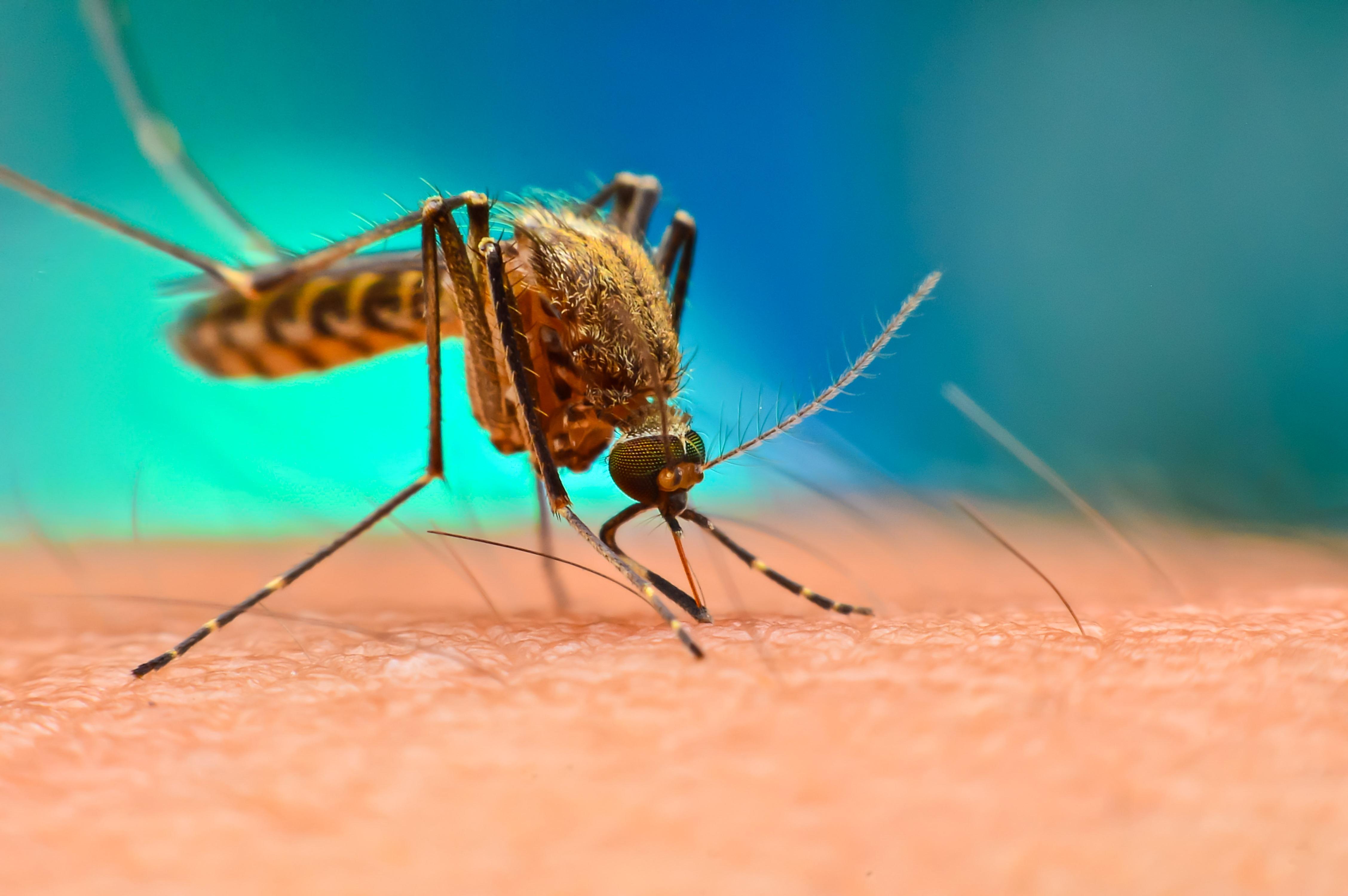
Andhra Pradesh’s Municipal Administration & Urban Development (MAUD) Department has unveiled the Smart Mosquito Surveillance System (SMoSS)—an AI-backed, IoT-integrated pilot project targeting mosquito-borne diseases like dengue, malaria, and chikungunya. The rollout covers 66 strategic locations across six municipal corporations—Visakhapatnam, Vijayawada, Kakinada, Rajamahendravaram, Nellore, and Kurnool—marking the state’s first major tech-driven public health initiative
Advanced AI & IoT Sensor Network
Key to SMoSS are sensors capable of identifying mosquito species, gender, and density, while also capturing environmental variables such as temperature and humidity. When mosquito levels surpass safety thresholds, real-time alerts are triggered—enabling timely, targeted responses
Drone-Based Larviciding and Efficient Fumigation
The project deploys drones to apply larvicides swiftly and precisely, significantly curbing chemical use, operational costs, and time—often in hard-to-reach zones. This strategy moves away from ineffective blanket fogging toward precise, evidence-based interventions
Real-Time Monitoring & Accountability
Data collected from sensors is fed into a central dashboard, facilitating real-time surveillance. Operations are outsourced to specialized agencies, with payment tied to performance goals. Field feedback and public complaints are managed through user-friendly apps like Vector Control and Puramitra
Integration with Health Reporting
Hospitals across the state will send daily reports on dengue, malaria, and chikungunya cases. This information helps identify hotspots and triggers customized action plans for fogging and larval treatment, ensuring responsiveness aligns with real-world disease patterns
Why this News Matters
Boosting Public Health Outcomes
By leveraging AI and IoT for proactive mosquito surveillance, Andhra Pradesh aims to significantly reduce vector-borne disease incidence. This represents a paradigm shift from reactive chemical spraying to data-driven prevention, enhancing public health and reducing epidemic risks.
Cutting Costs & Enhancing Efficiency
SMoSS’s use of drone-based larviciding and sensor-guided fumigation is designed to lower chemical usage and operational expenses. This intelligent targeting boosts resource efficiency and ensures environmental sustainability.
Strengthening Governance and Accountability
The model introduces result-oriented outsourcing, real-time monitoring, and citizen engagement—cornerstones of transparent governance. It promotes public trust and ensures accountability, key for scalable and replicable public systems.
Historical Context
The Legacy of Mosquito Control in India
India has long battled malaria and dengue through indiscriminate fogging and larvicidal measures—methods often criticized for their inefficiency and ecological impact. Earlier efforts were reactive and lacked granular data to drive decisions.
Rise of Digital Public Health in India
States like Kerala and Karnataka previously implemented limited smart surveillance pilots. Andhra Pradesh’s SMoSS, however, is the first state-wide AI-integrated system combining sensor networks, drones, health reporting, and public engagement for holistic vector control
Shift Toward Tech-Driven Governance
Under CM Chandrababu Naidu, Andhra Pradesh has aggressively pursued digital governance, from agriculture to citizen services. SMoSS aligns with initiatives like APAIMS and e-governance platforms—paving the way for AI-first public welfare systems.
Key Takeaways from “Smart Mosquito Surveillance System (SMoSS)”
| S. No | Key Takeaway |
|---|---|
| 1 | SMoSS Pilot Coverage – Initiated across 66 sites in 6 municipal corporations in AP. |
| 2 | AI‑IoT Sensors – Detect mosquito species, sex, count, and environmental data. |
| 3 | Drone‑based Larviciding – Enables smart, large-area, low-chemical interventions. |
| 4 | Real‑time Dashboard & Alerts – AI-driven triggers for targeted action. |
| 5 | Health Data Integration – Daily hospital reports on dengue, malaria, and chikungunya guide control efforts. |
FAQs – Frequently Asked Questions
1. What is SMoSS and what is its full form?
SMoSS stands for Smart Mosquito Surveillance System, a new AI-based initiative launched in Andhra Pradesh to monitor and control mosquito populations using sensors and drones.
2. In how many locations has SMoSS been deployed in Andhra Pradesh?
The system has been deployed in 66 locations across six municipal corporations: Visakhapatnam, Vijayawada, Kakinada, Rajamahendravaram, Nellore, and Kurnool.
3. What technologies are integrated in SMoSS?
SMoSS integrates Artificial Intelligence (AI), Internet of Things (IoT), drone-based larviciding, and a real-time digital dashboard for smart mosquito control.
4. How does the system help in disease prevention?
It provides real-time alerts when mosquito density crosses safety thresholds and integrates with hospital health reports to guide targeted fogging and larvicidal actions.
5. Why is Andhra Pradesh considered a pioneer in digital public health initiatives?
Because it is the first Indian state to implement such a comprehensive, AI-driven mosquito surveillance and response system as a state-level initiative, moving beyond small-scale pilots.
Some Important Current Affairs Links

