

The Race for Wealth: Which Country Tops the List as the Richest in the World?
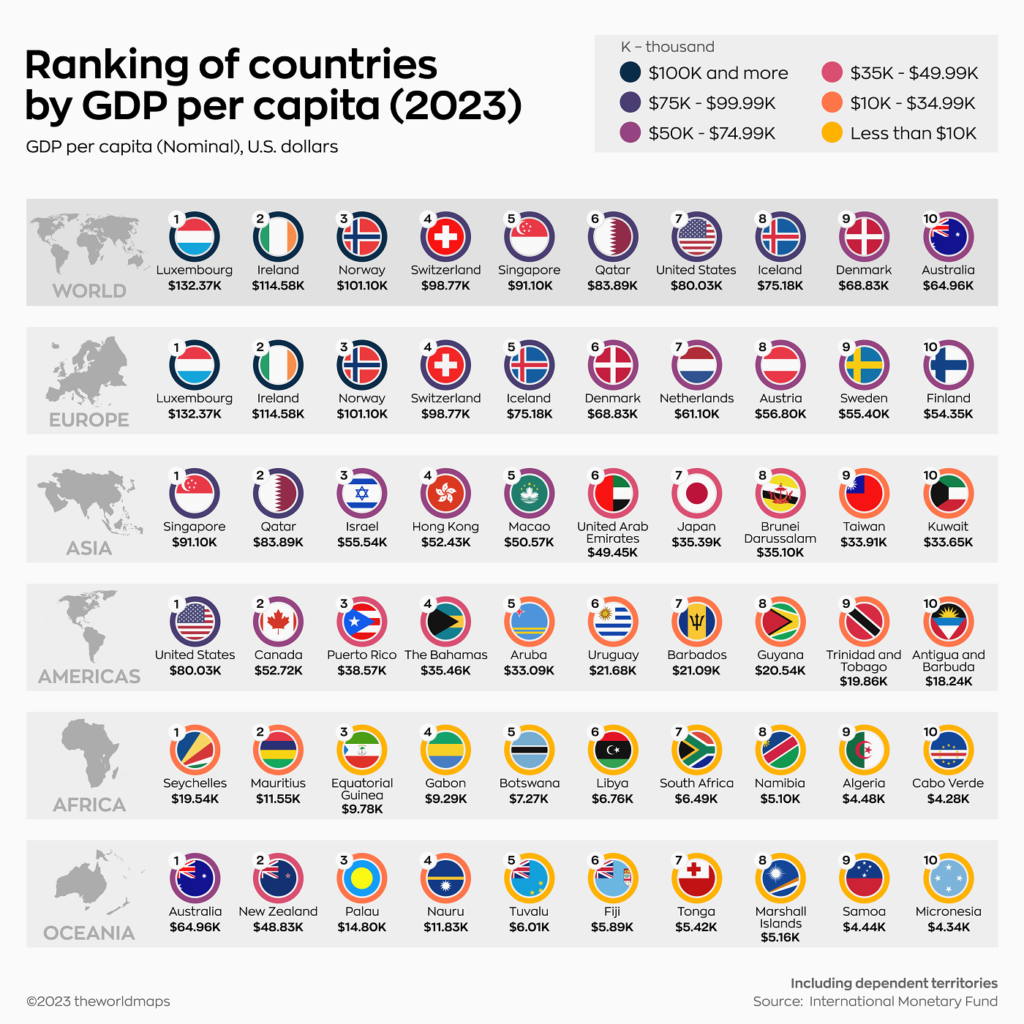
In the ever-evolving landscape of global economics, the question of which country holds the title of the world’s richest is a topic of considerable interest and debate. This article explores the recently released data on the richest country in the world, delves into the significance of this news, provides historical context, and presents five key takeaways for students preparing for government exams.
Why this News is Important
1. Economic Powerhouses and Global Influence
Identifying the richest country isn’t merely a matter of bragging rights. The economic strength of a nation often correlates with its global influence in trade, politics, and international affairs. Knowing which country is at the top of the list helps students understand the dynamics of the global economic landscape.
2. Implications for Career Aspirations
For individuals preparing for government exams, this news holds significance as it can impact career choices. Government officers, diplomats, and policymakers need to stay informed about global economic trends to make informed decisions.
Historical Context
Historically, the title of the world’s richest country has shifted among nations due to various factors such as economic policies, technological advancements, and geopolitical events. It’s a reflection of a country’s economic journey and its ability to adapt to changing circumstances.
Key Takeaways from the Article “The Richest Country in the World”
| Serial Number | Key Takeaway |
|---|---|
| 1 | Qatar holds the title of the world’s richest country. |
| 2 | Wealth is measured in terms of Gross Domestic Product (GDP) per capita. |
| 3 | Factors like natural resources and economic diversification play a role in a country’s wealth. |
| 4 | Economic rankings can fluctuate over time due to various factors. |
| 5 | The title of the richest country is a topic of interest in various competitive exams, including civil services. |
Important FAQs for Students from this News
Q1: How is the richest country in the world determined?
A1: The richest country is typically determined based on economic indicators, with Gross Domestic Product (GDP) per capita being a common measure.
Q2: Why is knowing the richest country important?
A2: Understanding the richest country helps individuals grasp global economic dynamics and is relevant for careers in diplomacy, policymaking, and international relations.
Q3: Does the richest country change over time?
A3: Yes, economic rankings can fluctuate due to various factors, including economic policies and events.
Q4: What role do natural resources play in a country’s wealth?
A4: Natural resources can significantly impact a country’s wealth, but economic diversification is also important for long-term stability.
Q5: How can students preparing for government exams benefit from this knowledge?
A5: This knowledge can be valuable for competitive exams, as it demonstrates an understanding of global economic trends and their impact on policymaking.
Some Important Current Affairs Links

