
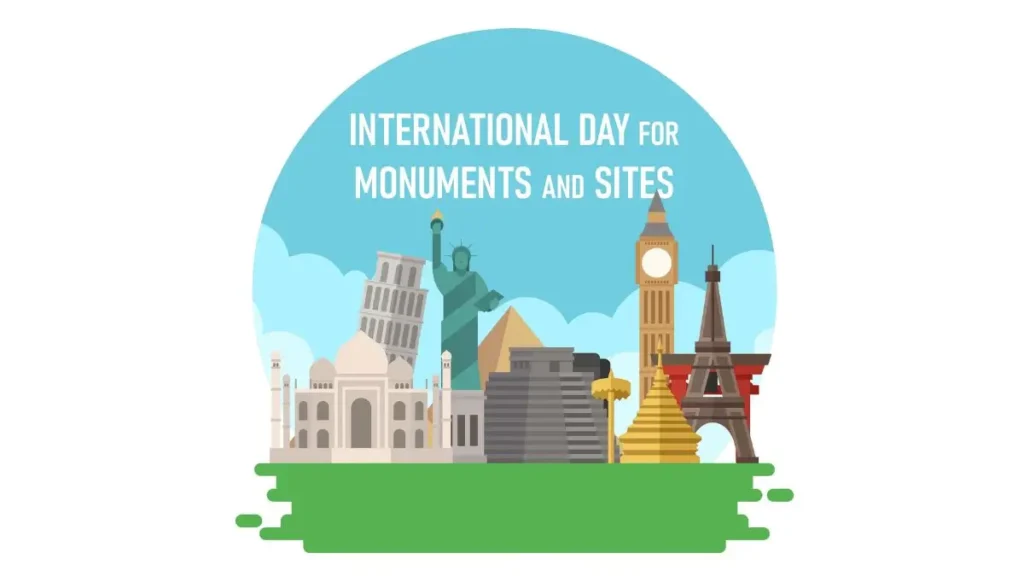
World Heritage Day 2026 theme, date, significance and key facts explained for UPSC, SSC, Banking and State PSC exams with important MCQs and insights.
World Heritage Day 2026: Date, Theme, Significance and Global Importance
Introduction to World Heritage Day 2026
World Heritage Day, also known as the International Day for Monuments and Sites, is observed every year on 18 April across the globe. The day is dedicated to raising awareness about the importance of preserving cultural and natural heritage. It highlights humanity’s shared responsibility to protect historical monuments, traditions, and ecosystems for future generations.
In 2026, World Heritage Day continues to serve as a crucial reminder of the threats faced by heritage sites due to rapid urbanization, climate change, and global conflicts.
Theme of World Heritage Day 2026
The theme for World Heritage Day 2026 is:
“Emergency Response for Living Heritage in Contexts of Conflicts and Disasters.”
This theme focuses on the urgent need to safeguard heritage—both tangible and intangible—during crises such as wars, natural disasters, and environmental degradation. It highlights how fragile heritage sites and traditions are in times of instability.
Understanding ‘Living Heritage’
“Living Heritage” refers to traditions, rituals, performing arts, craftsmanship, and knowledge systems passed down through generations. These elements are not just physical monuments but also include intangible cultural expressions that shape societies.
Examples include festivals, oral traditions, and indigenous practices, which are equally vulnerable to destruction during disasters and conflicts.
Role of UNESCO and ICOMOS
The observance of World Heritage Day is led by the International Council on Monuments and Sites (ICOMOS), in collaboration with UNESCO. These organizations play a vital role in identifying, protecting, and conserving heritage sites worldwide.
UNESCO recognizes sites of “Outstanding Universal Value,” meaning they are significant not just for one nation but for all humanity.
Types of Heritage Recognised Globally
Heritage is broadly classified into:
- Cultural Heritage: Monuments, temples, architecture, traditions
- Natural Heritage: Landscapes, forests, biodiversity hotspots
- Mixed Heritage: Sites with both cultural and natural importance
These categories help in systematically preserving diverse forms of human and natural legacy.
Global Challenges in Heritage Conservation
Heritage sites face multiple threats such as:
- Armed conflicts damaging monuments
- Natural disasters like earthquakes and floods
- Unregulated tourism and urban expansion
For example, heritage sites like temples and historical cities have been damaged due to geopolitical conflicts, highlighting the vulnerability of global heritage.
Significance of World Heritage Day
World Heritage Day promotes awareness, education, and community participation. Activities such as workshops, exhibitions, and awareness campaigns are organized globally to engage people in heritage conservation efforts.
The day also encourages governments and institutions to adopt sustainable preservation strategies.

Why This News is Important
Relevance for Competitive Exams
World Heritage Day 2026 is highly relevant for aspirants preparing for UPSC, SSC, Banking, Railways, Defence, and State PSC exams. Questions are frequently asked about international observances, themes, and organizations like UNESCO and ICOMOS.
Focus on Current Global Issues
The 2026 theme highlights the growing risks to heritage due to conflicts and disasters. This aligns with global concerns such as war zones, climate change, and environmental degradation—topics often covered in General Studies papers.
Link with Cultural and Environmental Awareness
Understanding heritage conservation helps candidates connect topics like culture, history, environment, and international relations. It also enhances essay and interview preparation by providing real-world examples.
Importance in Policy and Governance
Preserving heritage is a key aspect of governance and sustainable development. Governments must balance development with conservation, making this topic relevant for administrative roles.
Boosts Analytical Understanding
The theme encourages critical thinking about how societies can protect their identity during crises, making it useful for descriptive answers in mains examinations.
Historical Context of World Heritage Day
Origin and Establishment
World Heritage Day was first proposed by the International Council on Monuments and Sites (ICOMOS) in 1982 during a conference in Tunisia. The idea was later approved by UNESCO in 1983, making April 18 an internationally recognized day.
Evolution of Themes
Each year, a unique theme is selected to address contemporary challenges in heritage conservation. Over the years, themes have focused on climate change, sustainable tourism, and disaster management.
UNESCO World Heritage Programme
UNESCO’s World Heritage Programme was established to identify and protect sites of outstanding universal value. Today, hundreds of sites across the world are listed under this program, representing humanity’s shared legacy.
Growing Importance Over Time
With increasing globalization and environmental threats, the importance of preserving heritage has grown significantly. World Heritage Day has become a global platform to promote conservation awareness.
Key Takeaways from This News
| S.No | Key Takeaway |
|---|---|
| 1 | World Heritage Day is observed annually on 18 April. |
| 2 | Theme for 2026: Emergency Response for Living Heritage in Contexts of Conflicts and Disasters. |
| 3 | The day is led by ICOMOS with support from UNESCO. |
| 4 | Heritage includes cultural, natural, and intangible (living) heritage. |
| 5 | The focus is on protecting heritage from conflicts, disasters, and environmental threats. |
FAQs: Frequently Asked Questions
1. When is World Heritage Day observed?
World Heritage Day is observed every year on 18 April to promote awareness about cultural and natural heritage conservation.
2. Who organizes World Heritage Day globally?
World Heritage Day is led by International Council on Monuments and Sites with support from UNESCO.
3. What is the theme of World Heritage Day 2026?
The theme for 2026 is “Emergency Response for Living Heritage in Contexts of Conflicts and Disasters.”
4. What is meant by ‘Living Heritage’?
Living heritage includes traditions, rituals, performing arts, and cultural practices that are passed from generation to generation.
5. What are UNESCO World Heritage Sites?
These are places recognized by UNESCO for their outstanding universal value, including cultural, natural, and mixed heritage sites.
6. Why is World Heritage Day important for exams?
It is important because questions related to international days, themes, and organizations are frequently asked in UPSC, SSC, Banking, and State PSC exams.
7. When was World Heritage Day established?
It was proposed in 1982 by ICOMOS and officially approved by UNESCO in 1983.
8. What are the types of heritage recognized globally?
Heritage is categorized into:
- Cultural Heritage
- Natural Heritage
- Mixed Heritage
9. What are the major threats to heritage sites?
Key threats include climate change, armed conflicts, natural disasters, and urbanization.
10. How does World Heritage Day help society?
It promotes awareness, conservation efforts, and global cooperation to preserve heritage for future generations.
Some Important Current Affairs Links

