
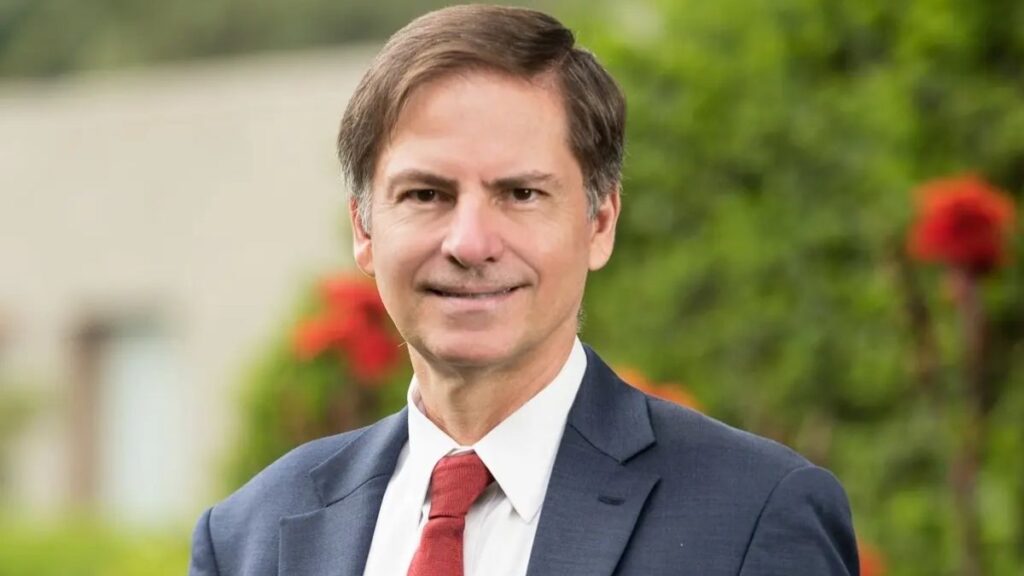
World Bank VP EAP appointment: Carlos Felipe Jaramillo is appointed as the Vice President for East Asia & Pacific, overseeing $32B portfolio and regional development priorities including jobs, digitalization, and human capital.
Carlos Felipe Jaramillo Appointed World Bank Vice President for East Asia & Pacific
On 15 September 2025, the World Bank Group appointed Carlos Felipe Jaramillo as the new Vice President (VP) for the East Asia and Pacific (EAP) Region. This is a major leadership change and part of the Bank’s efforts to decentralize operations. Notably, Singapore will now be the new regional hub for EAP.
A Role with Wide Responsibility
In his new role, Jaramillo will oversee the Bank’s engagement with 23 countries across East Asia and Pacific. He will manage an active portfolio worth over US$32 billion, focusing on key priorities such as job creation, energy, digitalization, and human capital development. The aim is to enhance the World Bank’s presence in the region through closer on-the-ground support to member countries.
Proven Track Record Across Regions
Before this appointment, Jaramillo had substantial experience in multiple regions and functions:
- He was VP for Latin America & the Caribbean from 2020 to 2025, supervising operations worth about US$41.5 billion across 31 countries.
- He served as Director for East Africa, managing over 80 projects in countries like Eritrea, Kenya, Rwanda, Somalia, and Uganda with a portfolio valued at approximately US$12 billion.
- He also headed the Macroeconomics, Trade, and Investment Global Practice at the World Bank, contributing to strategy in global development.
- Additionally, he held senior public policy and governance positions in the Government of Colombia, bringing hands-on experience in governance and macroeconomic reforms.
Academic Credentials and Analytical Rigor
Jaramillo holds both an M.A. and a Ph.D. in Development Economics from Stanford University. His academic background is expected to strengthen his approach to development policy, economic analysis, and evidence-based decision making in his leadership of EAP operations.
Why This News Is Important
Implications for Regional Development and Partnerships
This appointment signals a new phase in how the World Bank intends to engage with East Asia and Pacific countries. With Singapore as the regional hub, there may be quicker responses, better field support, and more contextualised policy and project implementation. For students studying governance, public policy, and international relations, this shows how global institutions are evolving to be more locally embedded.
Relevance for Government Exam Syllabi
For many exams—whether banking, civil service, or administrative—questions often test recent high-level appointments in international organisations, their roles, and their regional portfolios. Knowing who oversees large economies and regions (e.g. EAP), and under what priorities (jobs, human capital, digitalization), is directly relevant.
Broader Insights into Global Economic Priorities
The focus areas—energy, digitalization, job creation, human capital—reflect the key themes in development today. Students who can link this news with the Sustainable Development Goals (SDGs), climate change imperatives, and global recovery post-COVID will be able to write richer, more analytical answers in exams.
Historical Context
World Bank’s Role in Regions
The World Bank has traditionally divided its operations regionally to better manage its projects, policy advice, and financial assistance. Each region (e.g., Latin America & Caribbean, East Asia & Pacific, South Asia, etc.) has a VP who leads the Bank’s programmes there. Over time, these regional divisions have become central to how the Bank responds to development challenges.
Decentralization & Regional Hubs
There’s been a trend in many multilateral organisations to decentralize headquarters functions, moving them closer to areas of operation. This improves responsiveness, allows field offices to have more autonomy, and helps tailor interventions to local conditions. The decision to base the EAP hub in Singapore shows this trend in action.
Jaramillo’s Previous Roles
Carlos Felipe Jaramillo is not a newcomer. His leadership in Latin America & Caribbean (2020-25) gave him experience in diverse economies, from middle-income to developing. His East Africa tenure also involved managing a large number of projects under often difficult contexts (fragile states, diverse economic capacities). This background equips him with knowledge of both scale and complexity of development challenges.
Key Takeaways from “World Bank Names New VP for EAP”
| S.No | Key Takeaway |
|---|---|
| 1 | On 15 September 2025, Carlos Felipe Jaramillo was appointed Vice President for the East Asia & Pacific (EAP) Region at the World Bank. |
| 2 | Singapore has been designated the new regional hub for the EAP operations. |
| 3 | He will oversee an active portfolio exceeding US$32 billion across 23 countries, with priorities including job creation, energy, digitalization, and human capital. |
| 4 | Prior to this, Jaramillo was VP for Latin America & Caribbean (managing ~US$41.5 billion, 31 countries), and Director for East Africa (US$12 billion, 80+ projects). |
| 5 | Jaramillo holds M.A. and Ph.D. in Development Economics from Stanford University, bringing academic and analytical strength to the role. |
FAQs
1. Who is Carlos Felipe Jaramillo?
Carlos Felipe Jaramillo is a development economist who has been appointed as the Vice President of the World Bank for the East Asia and Pacific (EAP) Region in September 2025. He has previously served in leadership roles in Latin America, East Africa, and global practices at the World Bank.
2. What is the role of the World Bank VP for East Asia & Pacific?
The VP oversees operations in 23 countries, managing a portfolio exceeding US$32 billion, focusing on job creation, energy, human capital development, and digitalization initiatives.
3. Where is the new World Bank EAP regional hub located?
The regional hub for East Asia and Pacific is now located in Singapore to enhance regional engagement and project implementation.
4. What prior experience does Jaramillo bring to the role?
He has been VP for Latin America & Caribbean (US$41.5 billion, 31 countries), Director for East Africa (80+ projects, US$12 billion), and headed the Macroeconomics, Trade, and Investment Global Practice. He also held senior government roles in Colombia.
5. What are the key priorities of the World Bank in the EAP region under Jaramillo?
The focus areas include job creation, energy development, digitalization, human capital development, and supporting sustainable development goals.
6. What is Carlos Felipe Jaramillo’s educational qualification?
He holds an M.A. and a Ph.D. in Development Economics from Stanford University.
7. Why is this appointment important for competitive exams?
High-level appointments in international organizations are often asked in exams like UPSC, SSC, banking, railways, and defence exams to test awareness of global governance and development priorities.
Some Important Current Affairs Links

