
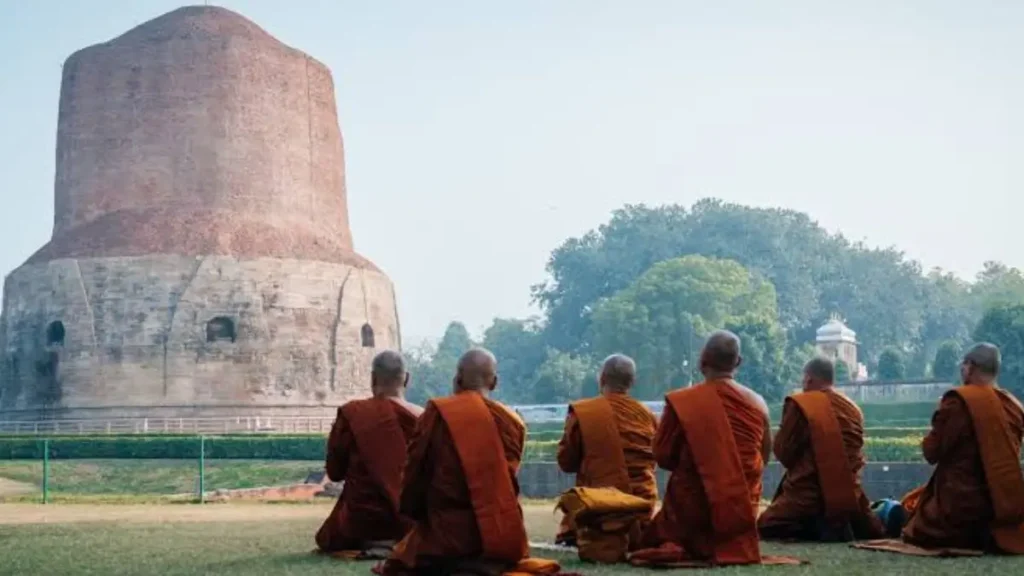
UNESCO World Heritage Sites in India 2026 include 45 heritage locations with Sarnath as the latest addition. Check the complete list, categories, historical importance, and exam-relevant facts for UPSC, PSC, SSC, Banking and other competitive exams.
UNESCO World Heritage Sites in India: Preserving India’s Rich Cultural and Natural Legacy
India is home to one of the world’s richest collections of cultural, historical, and natural heritage. The UNESCO World Heritage Sites in India by 2026 reflect the country’s extraordinary diversity, ranging from ancient temples and forts to biodiversity-rich national parks. These sites are recognized by the United Nations Educational, Scientific and Cultural Organization (UNESCO) for their Outstanding Universal Value and are protected for future generations.
As of 2026, India has 45 UNESCO World Heritage Sites, following the inclusion of the Ancient Buddhist Site of Sarnath during the 48th Session of the UNESCO World Heritage Committee held in Busan, South Korea. This achievement places India among the countries with the highest number of UNESCO World Heritage Sites globally.
What are UNESCO World Heritage Sites?
UNESCO World Heritage Sites are places of exceptional cultural, natural, or mixed significance that deserve preservation because of their universal value. The World Heritage Convention, adopted in 1972, aims to identify and conserve such sites worldwide. Countries nominate eligible locations, which are evaluated based on ten selection criteria before receiving World Heritage status.
India’s Position in the World Heritage List
India continues to strengthen its position as a global cultural powerhouse. With 45 UNESCO World Heritage Sites, the country ranks among the leading nations in terms of heritage recognition. The list includes monuments representing ancient civilizations, medieval architecture, religious traditions, biodiversity hotspots, and engineering marvels.
The addition of Sarnath, where Gautama Buddha delivered his first sermon after attaining enlightenment, highlights India’s important contribution to world civilization and Buddhist heritage.
Categories of UNESCO World Heritage Sites in India
UNESCO classifies heritage properties into three categories:
Cultural Heritage Sites
These represent monuments, archaeological sites, historic cities, temples, forts, and architectural masterpieces created by human civilization. India has 37 cultural sites after the inscription of Sarnath in 2026. These include iconic landmarks such as the Taj Mahal, Ajanta Caves, Ellora Caves, Hampi, Jaipur City, Santiniketan, Sacred Ensembles of the Hoysalas, and the Maratha Military Landscapes.
Natural Heritage Sites
Natural sites are recognized for their exceptional ecological, geological, or biodiversity value. India has 7 natural heritage sites, including Kaziranga National Park, Sundarbans National Park, Western Ghats, Great Himalayan National Park, Keoladeo National Park, Manas Wildlife Sanctuary, and Nanda Devi and Valley of Flowers National Parks.
Mixed Heritage Site
A mixed heritage site possesses both cultural and natural significance. India currently has one mixed World Heritage Site—Khangchendzonga National Park in Sikkim.
Latest Addition: Sarnath Becomes India’s 45th UNESCO World Heritage Site
The Ancient Buddhist Site of Sarnath was officially inscribed on the UNESCO World Heritage List in July 2026. Located near Varanasi in Uttar Pradesh, Sarnath is revered as the place where Lord Buddha delivered his first sermon, known as the “Dhammacakkappavattana Sutta.”
Major attractions within the heritage complex include the Dhamek Stupa, Chaukhandi Stupa, Ashokan Pillar, monasteries, temples, and archaeological remains. The recognition is expected to enhance heritage conservation, religious tourism, and international awareness of India’s Buddhist legacy.
Importance of UNESCO World Heritage Sites for Competitive Exams
UNESCO World Heritage Sites form an important component of the History, Art and Culture, Geography, Environment, and Current Affairs sections of competitive examinations. Questions frequently appear in UPSC Civil Services, State PSCs, SSC, Banking, Railways, Defence, and various teaching recruitment examinations.
Candidates should remember:
- Latest additions to the UNESCO World Heritage List.
- Classification into Cultural, Natural, and Mixed categories.
- State-wise location of important sites.
- Year of inscription.
- UNESCO World Heritage Convention and selection criteria.
Why this News is Important
Important Current Affairs Topic for Government Exams
The expansion of India’s UNESCO World Heritage List is highly significant from the perspective of competitive examinations. Every new inscription becomes an important current affairs topic and is frequently asked in examinations like UPSC, State PSC, SSC CGL, Banking, Railways, NDA, CDS, CAPF, and teaching eligibility tests.
The recognition of Sarnath as India’s 45th UNESCO World Heritage Site strengthens India’s cultural diplomacy while increasing global awareness of Buddhist heritage. Aspirants should note both the newly added site and India’s updated total number of World Heritage properties.
Boost to Tourism and Cultural Preservation
UNESCO recognition encourages international tourism, improves conservation funding, strengthens archaeological preservation, and promotes sustainable development around heritage locations. Such recognition also generates employment through tourism, handicrafts, hospitality, and cultural activities.
For examination purposes, students should understand how UNESCO recognition contributes to heritage conservation, economic development, and India’s global cultural image. Questions often connect UNESCO heritage with important historical personalities, religious movements, archaeological discoveries, and government conservation initiatives.
Historical Context
Evolution of UNESCO World Heritage Recognition in India
India became a State Party to the UNESCO World Heritage Convention in 1977, allowing it to nominate sites of exceptional universal value. The country’s first World Heritage Sites—including the Taj Mahal, Agra Fort, Ajanta Caves, and Ellora Caves—were inscribed in 1983.
Since then, India has consistently expanded its presence on the World Heritage List through nominations representing diverse civilizations, religious traditions, architectural styles, and ecological treasures.
Sarnath had remained on UNESCO’s Tentative List since 1998 before finally receiving full World Heritage status in 2026 after nearly three decades. This reflects the rigorous evaluation process followed by UNESCO before granting permanent recognition.
Key Takeaways from UNESCO World Heritage Sites in India 2026
| S. No. | Key Takeaway |
|---|---|
| 1 | India has 45 UNESCO World Heritage Sites as of 2026. |
| 2 | Sarnath became India’s 45th UNESCO World Heritage Site in July 2026. |
| 3 | UNESCO classifies sites into Cultural, Natural, and Mixed categories. |
| 4 | India has 37 Cultural, 7 Natural, and 1 Mixed World Heritage Site after Sarnath’s inscription. |
| 5 | UNESCO World Heritage Sites remain an important topic for UPSC, PSC, SSC, Banking, Railways, Defence, and Teaching examinations. |
Frequently Asked Questions (FAQs) on UNESCO World Heritage Sites in India by 2026
1. How many UNESCO World Heritage Sites are there in India by 2026?
India has 45 UNESCO World Heritage Sites by 2026, including cultural, natural, and mixed heritage sites.
2. Which is the latest UNESCO World Heritage Site added to India’s list?
The Ancient Buddhist Site of Sarnath is the latest addition to India’s UNESCO World Heritage List in 2026.
3. Where is Sarnath located?
Sarnath is located near Varanasi in Uttar Pradesh. It is an important Buddhist pilgrimage site where Gautama Buddha delivered his first sermon after attaining enlightenment.
4. Which UNESCO category has the highest number of sites in India?
The Cultural Heritage category has the highest number of UNESCO World Heritage Sites in India.
5. How many cultural UNESCO World Heritage Sites are there in India?
India has 37 cultural World Heritage Sites after the latest inclusion.
6. How many natural UNESCO World Heritage Sites are present in India?
India has 7 natural World Heritage Sites, including Kaziranga National Park, Sundarbans National Park, and Western Ghats.
7. Which is the only mixed UNESCO World Heritage Site in India?
The Khangchendzonga National Park in Sikkim is India’s only mixed UNESCO World Heritage Site.
8. When did India join the UNESCO World Heritage Convention?
India became a member of the UNESCO World Heritage Convention in 1977.
9. Which were the first UNESCO World Heritage Sites of India?
The first UNESCO World Heritage Sites of India were:
- Taj Mahal
- Agra Fort
- Ajanta Caves
- Ellora Caves
These were included in the UNESCO list in 1983.
10. Why are UNESCO World Heritage Sites important for competitive exams?
UNESCO World Heritage Sites are important for exams because questions related to their location, historical importance, year of recognition, category, and cultural significance are frequently asked in UPSC, State PSC, SSC, Banking, Railways, Defence, and teaching examinations.
Some Important Current Affairs Links

