
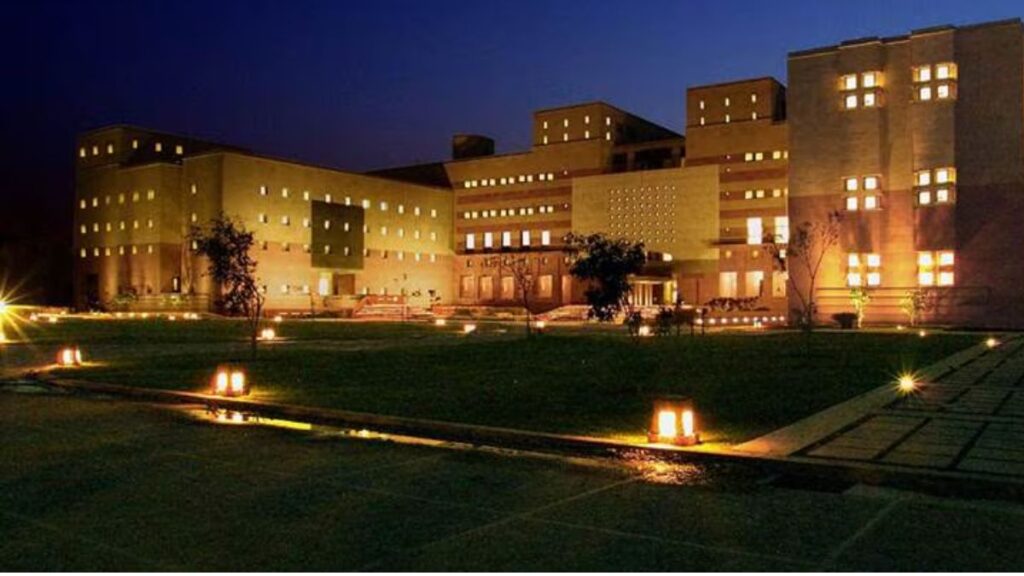
UNESCO recognition of Gita and Natyashastra marks India’s global cultural impact. IGNCA’s national symposium explores ancient texts, heritage preservation, and exam-relevant insights.
IGNCA National Symposium Celebrates UNESCO Recognition of Gita & Natyashastra
Introduction: A Cultural Milestone for India
The Indira Gandhi National Centre for the Arts (IGNCA) is hosting a distinguished two‑day National Symposium titled “Timeless Texts and Universal Teachings: Inscription of Bhagavad Gita and Natyashastra in the UNESCO Memory of the World International Register” on 30th and 31st July 2025 in New Delhi The event commemorates the inclusion of two foundational Indian texts in UNESCO’s prestigious Memory of the World International Register, underscoring their enduring global relevance
Inauguration & Notable Dignitaries
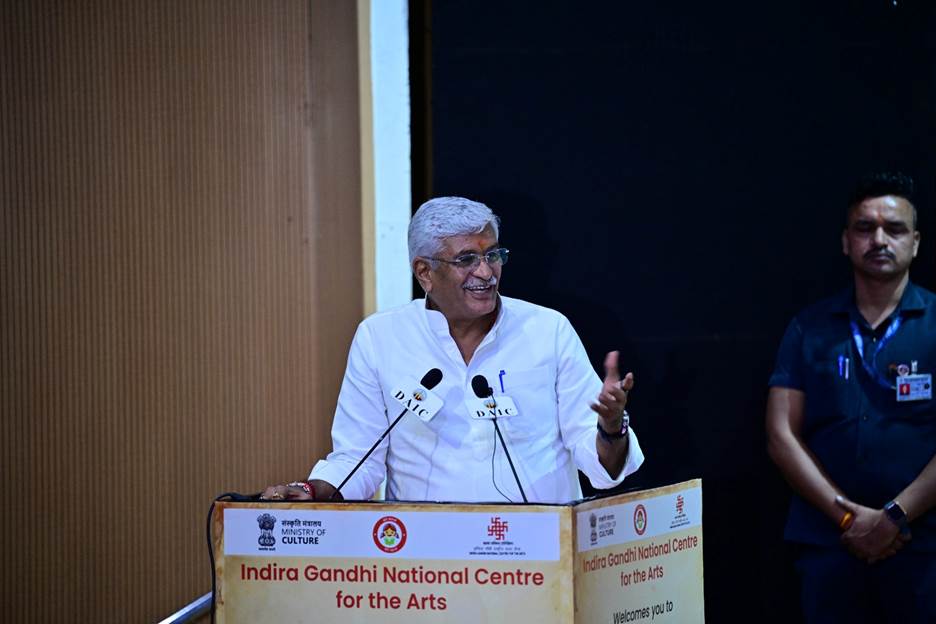
The opening session, held on 30th July at 4:00 PM at Dr Ambedkar International Centre, was inaugurated by Union Minister of Culture & Tourism, Shri Gajendra Singh Shekhawat, and chaired by Padma Bhushan Ram Bahadur Rai, President of the IGNCA Trust Key guests included Swami Gyananand Ji Maharaj, founder of Gita Gyan Sansthanam, Padma Vibhushan Dr Sonal Mansingh, and IGNCA leaders such as Dr Sachchidanand Joshi and Prof (Dr) Ramesh Chandra Gaur
Objectives & Intellectual Dialogue
The symposium features keynote speeches, panel discussions, exhibitions, and live performances, with experts exploring the philosophical and cultural resonance of the Gita and Natyashastra in contemporary contexts With conferences and curated exhibitions, it acknowledges the journey of these manuscripts from ancient wisdom to modern global recognition
The inclusion in UNESCO’s Memory of the World Register validates these texts as critical documentary heritage requiring global preservation Minister Shekhawat emphasised that the Gita (over 5,000 years old) and Natyashastra (over 2,500 years old) illustrate India’s advanced civilisational heritage that predates many world civilizations
Impact & Digital Legacy
The ceremony included presentation of UNESCO certificates to IGNCA and the Bhandarkar Oriental Research Institute (BORI) for their role in preparing nomination dossiers The Government’s National Manuscript Mission aims to digitise over one crore manuscripts, making them accessible in AI‑readable formats globally, reinforcing India’s trajectory as a cultural “Vishwaguru”
Why This News Is Important
Significance for Competitive Exams
This event marks a pivotal moment in India’s cultural diplomacy. Competitive exams such as UPSC, PSCS, banking, railways, defence, and teaching roles frequently include questions on India’s heritage, its global recognition, and UNESCO’s Memory of the World programme. Knowing these details can help aspirants answer questions in General Studies, Cultural Heritage, and International Relations sections.
Reinforces India’s Soft Power
The inscription of the Bhagavad Gita and Natyashastra in UNESCO’s register not only cements their historical legacy but also enhances India’s soft power— projecting India as a repository of profound philosophical and aesthetic wisdom to the world stage.
Supports India’s Digital Preservation Policy
With the government’s focus on digitising ancient manuscripts, including those recognised by UNESCO, questions may arise in exams on national strategies such as the National Manuscript Mission, making this symposium a current example of policy implementation.
Historical Context
Roots of the Bhagavad Gita & Natyashastra
The Bhagavad Gita, a spiritual dialogue set within the Mahabharata, dates back over 5,000 years and is revered for its teachings on duty (dharma), ethics, and spirituality. The Natyashastra, attributed to sage Bharata around 2,500 years ago, is the seminal ancient Indian treatise on performing arts—drama, dance, music and stagecraft.
UNESCO Memory of the World Initiative
Launched in 1992, UNESCO’s Memory of the World Programme aims to preserve significant documentary materials worldwide. Inclusion of texts like the Gita and Natyashastra reflects recognition of India’s ancient textual heritage as globally significant.
Role of IGNCA & BORI
The Indira Gandhi National Centre for the Arts (IGNCA)—established in the 1980s—is an apex cultural research body under the Ministry of Culture. The Bhandarkar Oriental Research Institute (BORI) in Pune is renowned for manuscript preservation and classical scholarship. Their collaborative dossiers led to this UNESCO recognition.
Key Takeaways from IGNCA Symposium on UNESCO Recognition of Gita & Natyashastra
| No. | Key Takeaway |
|---|---|
| 1 | IGNCA hosted a two‑day National Symposium on 30–31 July 2025 in New Delhi to honour the UNESCO inscription of the Bhagavad Gita and Natyashastra. |
| 2 | The Culture Minister, Shri Gajendra Singh Shekhawat, inaugurated the event, highlighting its symbolic national importance. |
| 3 | The Bhagavad Gita (≈ 5,000 years old) and Natyashastra (≈ 2,500 years old) were formally recognised in UNESCO’s Memory of the World Register. |
| 4 | IGNCA and BORI were presented UNESCO certificates for preparing the nomination dossiers and curatorial efforts. |
| 5 | The symposium underscores India’s push for digital preservation through the National Manuscript Mission, aiming to digitise over one crore ancient manuscripts. |
Frequently Asked Questions (FAQs)
1. What is the UNESCO Memory of the World Register?
It is a UNESCO initiative that aims to preserve and promote access to documentary heritage of global significance.
2. Which two Indian texts were recently added to this register?
The Bhagavad Gita and the Natyashastra were included in the UNESCO Memory of the World International Register in 2024.
3. Who hosted the National Symposium for this recognition?
The Indira Gandhi National Centre for the Arts (IGNCA) organized the symposium in New Delhi on July 30–31, 2025.
4. Why is this news important for competitive exam aspirants?
It connects India’s cultural heritage with global recognition, a frequently tested theme in UPSC, State PSCs, Railways, Banking, and Teaching exams.
5. Who prepared the nomination dossiers for UNESCO recognition?
IGNCA and Bhandarkar Oriental Research Institute (BORI) were responsible for preparing the documentation.
6. What is the estimated age of the Bhagavad Gita and Natyashastra?
The Bhagavad Gita is estimated to be over 5,000 years old, while the Natyashastra is over 2,500 years old.
7. What is the National Manuscript Mission?
It is a Government of India initiative aiming to digitise and preserve over one crore ancient Indian manuscripts.
8. Who inaugurated the symposium event?
Shri Gajendra Singh Shekhawat, Union Minister of Culture and Tourism.
9. Where did the event take place?
The symposium was held at Dr Ambedkar International Centre, New Delhi.
10. What is the relevance of this news in India’s global image?
It highlights India’s soft power and leadership in cultural and spiritual thought, branding India as a Vishwaguru.
Some Important Current Affairs Links

