
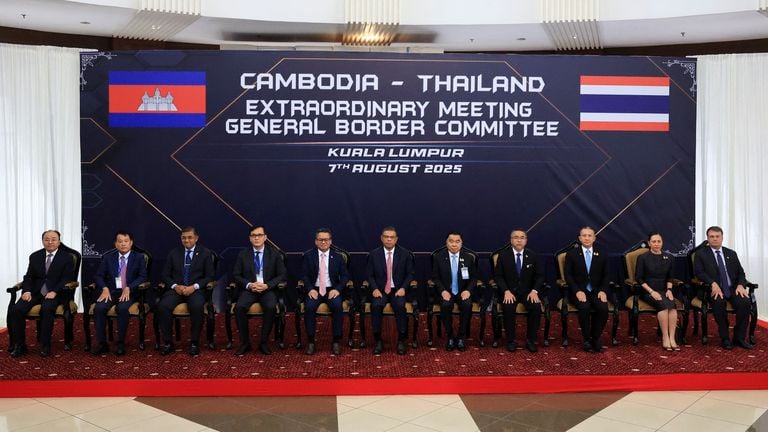
Thailand Cambodia ceasefire agreement finalizes troop levels and boosts ASEAN-led peace efforts, ending tensions over the Preah Vihear Temple and improving regional stability.
Thailand and Cambodia Finalize Ceasefire Details, Agree to Maintain Troop Levels
Diplomatic Progress Between Thailand and Cambodia
Thailand and Cambodia have reached a formal agreement to finalize the terms of a ceasefire, marking an important development in their ongoing diplomatic engagement. The two Southeast Asian neighbours, which share a long and sometimes disputed border, have pledged to maintain their current troop levels as part of the deal. This move is aimed at reducing tensions and building mutual trust, especially in sensitive border regions. The announcement reflects growing political will on both sides to prioritize peace and cooperation over armed confrontation.
ASEAN’s Role in Peace and Stability
Both countries are active members of the Association of Southeast Asian Nations (ASEAN), which has consistently encouraged peaceful dialogue and dispute resolution. The latest agreement could strengthen ASEAN’s image as a facilitator of stability in the region. This diplomatic progress also aligns with the organisation’s broader objectives of promoting regional integration, economic development, and political security. For exam aspirants, it’s important to note how regional groupings like ASEAN influence bilateral relations among member states.
Border Disputes and Security Concerns
The Thailand–Cambodia border has historically been a flashpoint for occasional armed clashes, often triggered by disagreements over territorial claims and historical monuments like the Preah Vihear Temple. These tensions have at times disrupted cross-border trade and tourism. By agreeing to maintain troop levels rather than increase military presence, both governments signal their commitment to de-escalation and conflict prevention. Such decisions are critical in regions where unresolved disputes could otherwise flare into conflict.
Economic and Social Impact of the Agreement
Peaceful border relations are vital for trade, tourism, and cultural exchange between Thailand and Cambodia. The agreement may encourage greater investment in border areas, improving livelihoods and boosting bilateral trade. For both nations, stability translates into better opportunities for infrastructure development, cross-border connectivity, and economic cooperation. This development could also inspire similar diplomatic efforts in other parts of Southeast Asia facing territorial tensions.

Why This News Is Important
Relevance for Competitive Exams
For aspirants preparing for civil services, defence, and foreign service exams, this news is a valuable case study in international relations and conflict resolution. Understanding the factors that lead to peace agreements helps in analysing bilateral and multilateral diplomacy, which is often tested in exams like UPSC, State PSCs, and SSC.
Strategic Importance in Southeast Asia
The Thailand–Cambodia ceasefire is significant in the context of Southeast Asia’s geopolitical environment. It highlights how countries can balance national security concerns with regional cooperation objectives. Such examples are relevant in topics related to India’s own neighbourhood diplomacy and participation in multilateral forums like ASEAN and BIMSTEC.
Historical Context
The Preah Vihear Temple Dispute
One of the main sources of Thailand–Cambodia tensions has been the area surrounding the Preah Vihear Temple, which was awarded to Cambodia by the International Court of Justice in 1962. However, the land adjacent to the temple remained disputed, leading to occasional armed skirmishes.
Past Clashes and Ceasefire Attempts
Border clashes in 2008–2011 resulted in casualties on both sides, prompting ASEAN to mediate. Several temporary ceasefires were reached, but mistrust and intermittent violence continued. The latest agreement builds on previous diplomatic engagements but appears more structured and enduring in nature.
Key Takeaways from the Thailand–Cambodia Ceasefire Agreement
| S.No. | Key Takeaway |
|---|---|
| 1 | Thailand and Cambodia have finalized the details of a ceasefire and agreed to maintain current troop levels along their border. |
| 2 | The agreement aims to reduce tensions and promote trust in historically disputed areas. |
| 3 | ASEAN has played an indirect but influential role in encouraging peaceful negotiations. |
| 4 | Border stability is expected to boost trade, tourism, and infrastructure development in both countries. |
| 5 | The dispute over the Preah Vihear Temple has been a historical flashpoint but is now being addressed through diplomacy. |
Frequently Asked Questions (FAQs)
1. What is the recent agreement between Thailand and Cambodia about?
The recent agreement finalizes the details of a ceasefire between Thailand and Cambodia, with both countries pledging to maintain their current troop levels along the border to avoid escalation.
2. Why is the Thailand–Cambodia border significant?
The border is historically sensitive due to disputes over territories, especially around the Preah Vihear Temple, leading to occasional clashes in the past.
3. Which international body has indirectly supported this peace initiative?
ASEAN (Association of Southeast Asian Nations) has played an indirect role by promoting dialogue and encouraging peaceful resolutions among its member states.
4. How will the ceasefire impact bilateral trade?
The ceasefire is expected to improve border stability, boosting trade, tourism, and infrastructure projects between the two nations.
5. When was the Preah Vihear Temple awarded to Cambodia?
The International Court of Justice awarded the Preah Vihear Temple to Cambodia in 1962.
6. When did major clashes last occur between Thailand and Cambodia?
Significant clashes occurred between 2008 and 2011, resulting in casualties and economic disruptions.
7. What role does ASEAN play in regional disputes?
ASEAN encourages dialogue, promotes peace, and helps mediate disputes to maintain regional stability among its member countries.
8. What is the expected long-term benefit of maintaining troop levels?
It prevents escalation, builds trust, and creates an environment conducive to lasting peace and economic cooperation.
9. Which sectors may see growth due to this agreement?
Tourism, cross-border trade, and infrastructure development are likely to benefit from the stability created by the agreement.
10. Why is this news relevant for government exam aspirants?
It is an example of successful diplomacy, regional cooperation, and conflict resolution—topics often covered in general studies, international relations, and current affairs sections of competitive exams.
Some Important Current Affairs Links

