
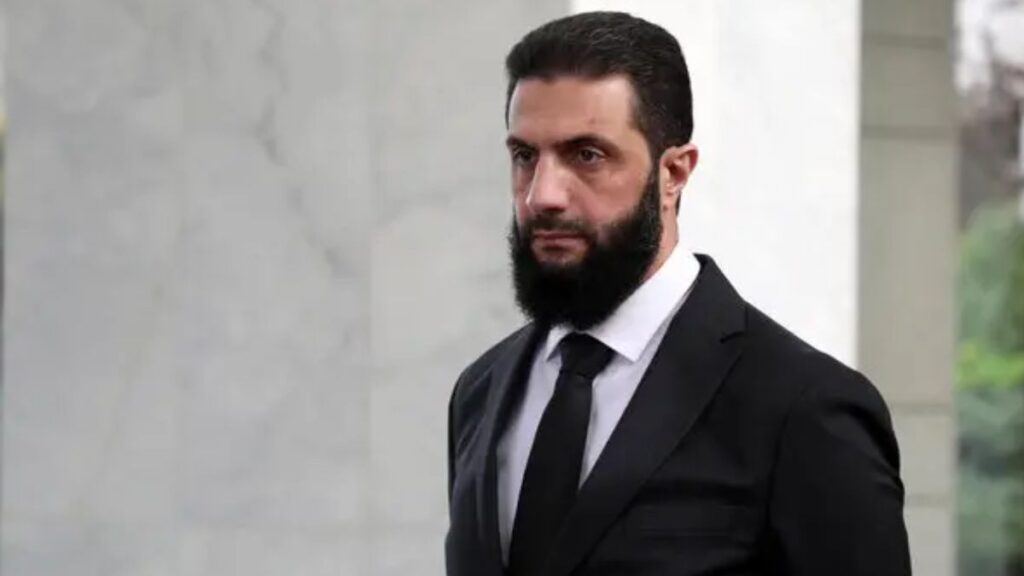
Syria parliamentary elections 2025 will be held from September 15–20 under a temporary constitution following Assad’s ouster. Learn about Syria’s new legislative structure, election model, and its implications for UPSC and government exam aspirants.
Syria to Hold First Post‑Assad Parliamentary Elections in September 2025
Election Announcement and Timeline
Syria’s transitional leadership will conduct the country’s first parliamentary elections under the new administration between September 15 and September 20, 2025, announced Mohammed Taha al‑Ahmad, chair of the High Committee for People’s Assembly Elections These elections mark Syria’s first parliamentary vote since the overthrow of President Bashar al‑Assad in December 2024.
Expanded and Hybrid Legislative Structure
The upcoming People’s Assembly will consist of 210 seats, expanded from the previous 150. One‑third (70 seats) will be appointed directly by interim President Ahmad al‑Sharaa, while the remaining two‑thirds will be indirectly elected through provincial electoral colleges based on local committees and expert figures
Legal Framework and Electoral Oversight
This electoral process operates under a temporary constitution issued in March 2025. The new electoral law has been approved in principle, and electoral bodies are being formed, including subcommittees followed by candidate registration and campaign phases. Women will represent at least 20% of electoral authorities
Geographic Inclusion and Observers
Officials emphasized that the elections will be held across all provinces, including regions previously beyond central control—such as Kurdish‑held northern territories and the Druze‑majority province of Sweida. The process also allows international and civil‑society observers
Security and Political Tensions
The elections come amid escalating sectarian violence, particularly in Sweida, where clashes between Bedouin and Druze groups claimed hundreds of lives. Allegations surfaced that government forces sided with Bedouin fighters, including reports of Druze civilian executions. Israel carried out airstrikes targeting Syrian military infrastructure, citing protection of Druze civilians as justification
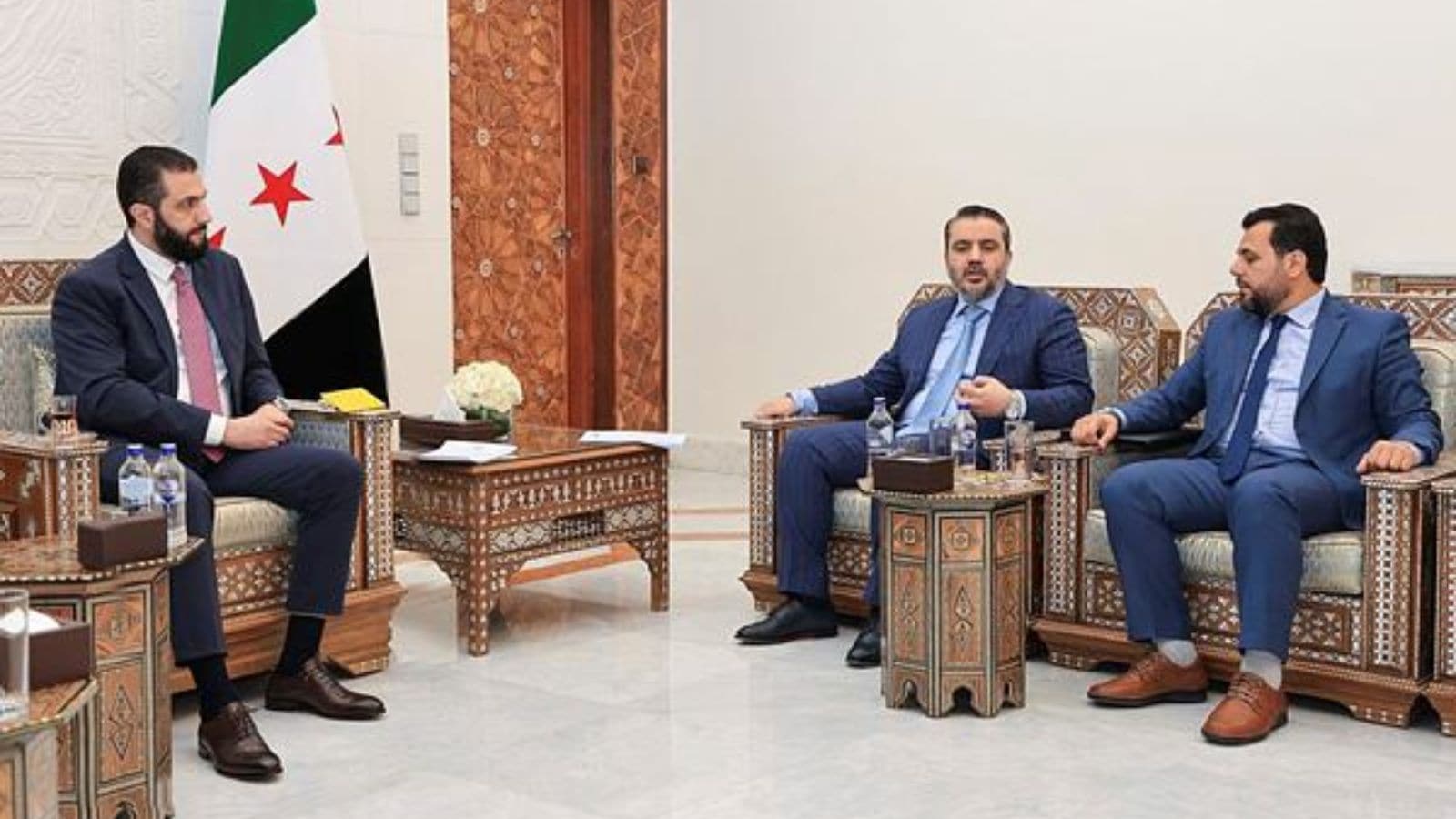
Why This News Is Important ✍️
Landmark Transition in Governance
For students preparing for civil service, defence, railways, banking, teaching, or police exams, this election represents a historic shift in Syrian governance—transitioning from decades-long authoritarian rule under Assad to a transitional parliamentary system. Understanding such pivotal shifts is vital for topics covering international relations, political transitions, and conflict resolution.
Implications for Regional Stability
Elections set against violent sectarian clashes and external interventions underscore challenges in postwar nation building. For exam subjects on security studies, public administration, and geopolitics, Syria serves as a real-world case on governing fragile states during transition.
Relevance to International Law & Human Rights
Syria’s inclusion of electoral observers, adherence to a temporary constitution, and attempts to distribute seats through electoral colleges reflect ongoing challenges in implementing democratic norms. Exam relevance includes governance frameworks, constitutional law, and minority rights, all critical for aspirants of UPSC or high‑level admin cadres.
Historical Context: Syria’s Political Evolution
Assad’s Fall and Transitional Governance
The Assad regime collapsed in December 2024 following a swift rebel offensive. Ahmad al‑Sharaa, previously a rebel commander, assumed leadership and initiated a transitional administration that repealed the old constitution and issued a temporary constitutional declaration in March 2025
Formation of New Political Institutions
In early 2025, Syria held a National Dialogue Conference, laying groundwork for institutional reforms including civil rights, state restructuring, and constitutional drafting. A provisional parliament, the “People’s Committee”, governed until elections occur, with the electoral committee established in June 2025 to oversee the first indirect election process
The Indirect Electoral Model
Given post-conflict instability—such as destroyed infrastructure, displaced populations, sectarian tensions, and fragmented governance—the government adopted an indirect electoral model. Local committees of experts and civic figures will elect two‑thirds of parliament, while the president appoints the remainder. This model is viewed as pragmatic during Syria’s fragile transition and contested sovereignty
Key Takeaways from “Syria to Hold First Post‑Assad Parliamentary Elections”
| S.No | Key Takeaway |
|---|---|
| 1 | Election period: Voting is scheduled for September 15–20, 2025 |
| 2 | Assembly size & structure: New parliament has 210 seats—70 presidential appointees, 140 indirectly elected members |
| 3 | Indirect voting mechanism: Provincial electoral colleges, not direct public voting, choose 2/3 of the Assembly |
| 4 | Inclusive oversight: Elections to cover all provinces; international and civil‑society observers allowed |
| 5 | Security & conflict backdrop: Conducted amid severe sectarian violence (especially in Sweida) and Israeli intervention |
FAQs: Frequently Asked Questions
1. When will Syria hold its first parliamentary elections after the fall of Bashar al‑Assad?
Syria is scheduled to hold parliamentary elections between September 15 and 20, 2025.
2. How many members will be in the newly formed Syrian People’s Assembly?
The new People’s Assembly will have 210 members, up from the previous 150.
3. How will the Syrian parliamentary members be selected?
70 members will be appointed by the interim president, and 140 will be indirectly elected through provincial electoral colleges.
4. What is the basis for the current electoral law in Syria?
The elections will be conducted under a temporary constitution passed in March 2025.
5. Why is the Syrian election significant for current affairs and international politics?
It marks a major democratic transition in a conflict-affected state, relevant for topics like political science, international relations, and governance.
6. Will international observers be allowed during the election process?
Yes, international and civil society observers will be allowed to oversee the election process.
7. What regions of Syria will participate in the elections?
The elections are planned to be conducted nationwide, including previously contested regions like Kurdish-controlled areas and the Druze-majority Sweida province.
8. What percentage of electoral authority positions must be held by women?
Women will occupy at least 20% of positions in electoral bodies.
9. Why is the indirect election method being used instead of direct voting?
Due to security risks, infrastructure damage, and displaced populations, Syria opted for a transitional indirect voting system through local committees.
10. What relevance does this election hold for civil service and defence exam aspirants?
This news highlights post-conflict governance, election monitoring, constitutional changes, and regional politics, all of which are common themes in UPSC, State PSC, CAPF, CDS, and SSC exams.
Some Important Current Affairs Links

