
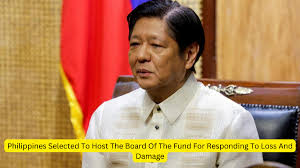
Philippines Selected to Host the Board of the Fund for Responding to Loss and Damage
The Philippines has been chosen as the host country for the Board of the Fund for Responding to Loss and Damage, marking a significant development in global climate governance. This decision was made during the 57th session of the UNFCCC’s Subsidiary Bodies held recently. The Board, an integral part of the Warsaw International Mechanism for Loss and Damage (WIM), plays a crucial role in addressing climate-related impacts that exceed the capacity of vulnerable countries to adapt.

Why this News is Important
Recognition of Vulnerable Nations’ Needs
The selection of the Philippines as the host country highlights international recognition of the vulnerability of developing nations to climate change impacts. It underscores the importance of supporting these countries in addressing loss and damage caused by climate change, which often surpasses their adaptive capacities.
Global Efforts in Climate Governance
This decision reaffirms global efforts under the UNFCCC to enhance climate governance frameworks. By centralizing the Board in a country significantly affected by climate change, the international community aims to streamline efforts in financing and implementing measures to mitigate loss and damage worldwide.
Historical Context
Background of the Warsaw International Mechanism
The Warsaw International Mechanism for Loss and Damage was established in 2013 during the UN Climate Change Conference. It was designed to address issues related to loss and damage associated with the adverse effects of climate change, particularly in developing countries that are most vulnerable to such impacts. The mechanism aims to enhance understanding, coordination, and support for addressing loss and damage.
5 Key Takeaways from “Philippines Selected to Host the Board of the Fund for Responding to Loss and Damage”
| Serial Number | Key Takeaway |
|---|---|
| 1. | The Philippines will host the Board of the Fund for Responding to Loss and Damage, a crucial entity under the UNFCCC’s Warsaw International Mechanism. |
| 2. | This decision underscores global recognition of the Philippines’ vulnerability to climate change impacts. |
| 3. | The Board plays a pivotal role in mobilizing financial resources and technical support for countries facing severe climate-related loss and damage. |
| 4. | It aims to facilitate international cooperation in addressing challenges that exceed national adaptive capacities in vulnerable nations. |
| 5. | The selection reflects ongoing efforts to strengthen climate governance frameworks and support mechanisms under the UNFCCC. |
Important FAQs for Students from this News
What is the Fund for Responding to Loss and Damage?
The Fund for Responding to Loss and Damage is an initiative under the Warsaw International Mechanism for Loss and Damage (WIM), established to provide financial and technical support to countries facing severe climate-related impacts that exceed their adaptive capacities.
Why was the Philippines chosen to host the Board of the Fund?
The Philippines was chosen due to its vulnerability to climate change impacts and its active role in international climate discussions. Hosting the Board highlights the need to support nations severely affected by climate change.
What is the Warsaw International Mechanism (WIM)?
The WIM was established in 2013 during the UN Climate Change Conference to address loss and damage associated with the adverse effects of climate change, especially in developing countries.
What are the main functions of the Board of the Fund for Responding to Loss and Damage?
The Board mobilizes financial resources, coordinates international efforts, and provides technical support to countries dealing with climate-related loss and damage.
How does the Fund for Responding to Loss and Damage support affected countries?
The Fund provides financial assistance, facilitates capacity-building initiatives, and coordinates global efforts to help countries manage and mitigate the impacts of climate change that exceed their ability to adapt.
Some Important Current Affairs Links

