
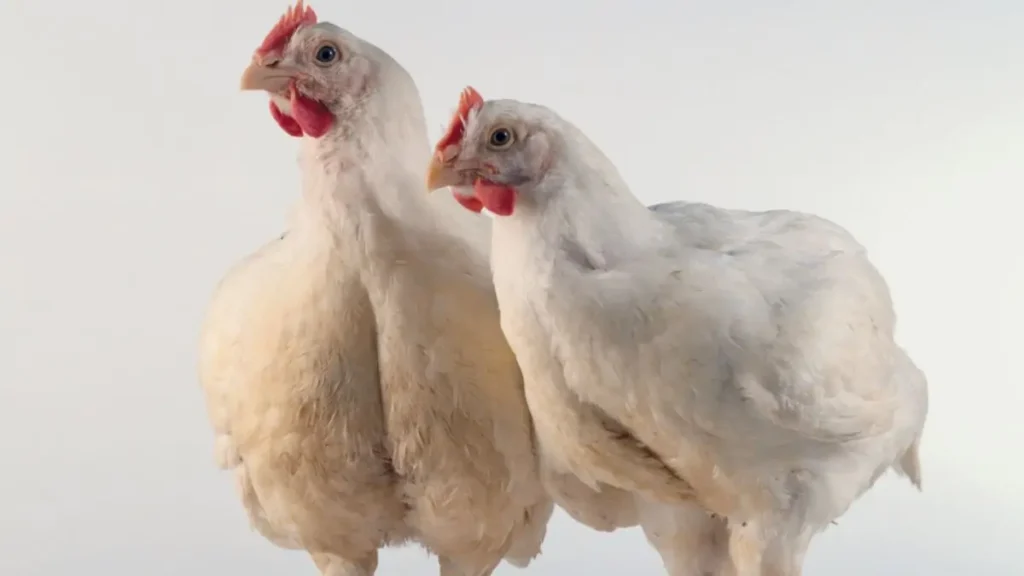
Newcastle Disease Europe 2026 outbreak affects poultry across Spain, Poland, Germany, Czechia, and Lithuania. Learn about its spread, symptoms, preventive measures, and key takeaways for exams.
Newcastle Disease Spread in Europe 2026 — Impact, Causes, and Response
📍 Overview of the Outbreak
The contagious avian illness known as Newcastle disease (ND) has recently spread in several European countries, triggering alarm among poultry producers, animal health authorities, and international disease surveillance agencies. Originally reported in Spain and Poland earlier this year, ND has crossed borders and been confirmed in countries like Germany, Czechia, Lithuania, and Slovakia.
Newcastle disease is caused by a virus of the Avian Paramyxovirus‑1 group, which mainly affects birds but poses no known direct danger to humans. It spreads rapidly through direct contact between birds, contaminated materials, and migratory wild birds carrying the virus across regions.
🐔 Why the Outbreak Is Serious
The disease is particularly detrimental to poultry — chickens, turkeys, and other birds — because it can lead to severe respiratory symptoms, nervous disorders, drastically reduced egg production, and mortality rates as high as 100% in unvaccinated flocks.
Even in vaccinated populations, ND outbreaks are possible due to lapses in biosecurity, movement of infected wild birds, or contact with contaminated personnel and equipment. Farmers and authorities are now enforcing movement bans, increasing surveillance, and, in some cases, culling infected flocks to control further transmission.
🧬 How It Spread Across Europe
European countries have reported outbreaks at both commercial and non‑commercial poultry farms. Unlike some animal diseases that remain local, ND has shown capability to extend beyond its initial zones, driven largely by bird migration patterns and regional poultry trading. Reports show more cases emerging in central and eastern European regions, prompting authorities to heighten alert levels.
🛡️ Preventive and Control Measures
To slow the spread of Newcastle disease, authorities have implemented disease control protocols that include:
- Strict movement restrictions on live birds or bird products.
- Biosecurity enhancements at farms, including disinfection and restricted access.
- Surveillance and reporting through world animal health networks.
- Vaccination strategies, although not always completely protective in preventing spread.
Public health agencies and international animal health bodies continue to monitor the situation, focusing on early detection and rapid response to new outbreaks.

📌 Why This News Is Important for Government Exam Aspirants
📍 Relevance in Current Affairs
The Newcastle disease outbreak in Europe is significant for government exam preparations because it intersects multiple themes frequently featured in competitive exams:
- Global Health and Disease Surveillance
- Agriculture and Animal Husbandry
- Food Security and International Trade
- International Cooperation and Policy Response
Governments monitor transboundary animal diseases like Newcastle disease through global bodies such as the World Organisation for Animal Health (WOAH). ND outbreaks impact poultry trade, food supply chains, and economic stability in farming sectors, making it a key topic under agricultural economics and international affairs.
📍 Multidisciplinary Importance
For aspirants appearing for exams like UPSC/Civil Services, SSC, Banking, Railways, Police and Teacher Recruitment, this news integrates:
- Science & Technology — understanding disease transmission and prevention.
- Economics & Agriculture — implications on poultry industry, export/import, and price stability.
- Policy & Governance — international collaboration and response protocols.
By analyzing outbreaks like Newcastle disease, candidates enhance their knowledge in world affairs, environmental health, and sustainability, all of which are high‑value areas in general studies and current affairs segments.
📌 Historical Context of Newcastle Disease
🗓️ Origins and Discovery
Newcastle disease was first identified nearly a century ago in Indonesia (in the city of Newcastle upon Tyne in Britain, hence its name). It has since become a globally recognized avian disease impacting birds across continents. Scientific advancements over the years have improved understanding of the virus, its transmission patterns, and control measures.
🐦 Evolution of Outbreak Patterns
Initially localized, ND outbreaks have become more frequent and widespread due to:
- Increased global poultry trade
- Migration of wild birds carrying the virus
- Changing climate and ecological dynamics
Authorities worldwide have developed guidelines and response frameworks to mitigate risk and coordinate actions in case of outbreaks. Herd immunity through vaccination and biosecurity practices has been a cornerstone of disease management.
🌍 2026 Europe Outbreak
The 2026 outbreak is notable because several European nations reported cases after many years without significant ND incidence — Germany’s outbreak, for instance, was the first since 2008. This resurgence stresses the need for vigilant animal health surveillance and rapid policy response across borders.
📊 Key Takeaways from Newcastle Disease Outbreak 2026
Key Takeaways from Newcastle Disease Spread in Europe (2026)
| S. No. | Key Takeaway |
|---|---|
| 1. | Newcastle disease is a highly contagious viral disease affecting poultry and other birds. |
| 2. | The 2026 outbreak has been reported in multiple European nations, including Spain, Poland, Germany, Czechia, Lithuania, and Slovakia. |
| 3. | The disease can lead to severe symptoms, reduced egg production, and up to 100% mortality in poultry. |
| 4. | Control measures include movement bans, enhanced biosecurity, surveillance, and culling of infected flocks. |
| 5. | The outbreak underscores the importance of global health surveillance, agricultural biosecurity, and international cooperation. |
FAQs on Newcastle Disease Spread in Europe 2026
1. What is Newcastle disease?
Newcastle disease (ND) is a highly contagious viral infection that primarily affects birds, especially poultry like chickens and turkeys. It can cause severe respiratory, digestive, and neurological symptoms in birds. Humans are generally not at risk, but proper hygiene is recommended when handling infected birds.
2. Which countries in Europe are affected by Newcastle disease in 2026?
The 2026 outbreak has been reported in Spain, Poland, Germany, Czechia, Lithuania, and Slovakia, affecting both commercial and backyard poultry farms.
3. How does Newcastle disease spread among birds?
The virus spreads through direct contact with infected birds, contaminated materials such as cages or equipment, and through migratory wild birds that carry the virus across regions.
4. What are the preventive measures against Newcastle disease?
Preventive measures include strict movement control of poultry, biosecurity at farms, surveillance and reporting, vaccination programs, and culling of infected flocks where necessary.
5. Why is the 2026 outbreak significant?
The outbreak is significant because ND has reappeared in several European countries after years of absence, highlighting vulnerabilities in poultry biosecurity, international trade risks, and the need for global disease surveillance.
6. Can Newcastle disease affect humans?
While ND is primarily an avian disease, it can cause mild eye irritation or conjunctivitis in humans if exposed to infected birds. Standard precautions and hygiene practices prevent human infection.
7. Which international body monitors outbreaks like Newcastle disease?
The World Organisation for Animal Health (WOAH), formerly OIE, monitors transboundary animal diseases, issues alerts, and coordinates preventive strategies among member nations.
Some Important Current Affairs Links

