
Introduction
Japan’s national animal is the green pheasant (Phasianus versicolor), a vibrant bird endemic to the Japanese archipelago. While not officially designated by the government, it holds significant cultural and symbolic importance in Japan.
Physical Characteristics
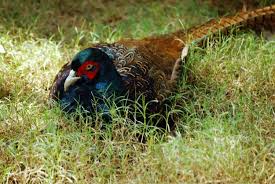
The green pheasant is known for its striking plumage. The male displays iridescent green feathers on its head, neck, and breast, complemented by a red facial wattle. Females are more subdued in color, with brownish tones aiding in camouflage. This bird’s appearance has made it a subject of admiration in Japanese art and folklore.
Habitat and Distribution
Native to Japan, the green pheasant inhabits woodlands, forest edges, and grasslands across the islands of Honshu, Kyushu, and Shikoku. It prefers areas with dense vegetation, which provides both food and shelter. The species is adapted to various elevations, from lowlands to subalpine zones.
Cultural Significance
In Japanese culture, the green pheasant symbolizes good fortune, prosperity, and longevity. It is featured in various aspects of Japanese life, including literature, art, and festivals. For instance, the bird is often depicted in traditional ukiyo-e prints and is associated with the changing seasons, particularly spring.
Conservation Status
The green pheasant is currently listed as “Least Concern” by the International Union for Conservation of Nature (IUCN). While its population is stable, habitat loss due to urbanization and deforestation poses potential threats. Conservation efforts focus on habitat preservation and monitoring to ensure the species’ continued well-being.
🧭 Why This News is Important
Cultural and Symbolic Importance
Understanding the green pheasant’s role as Japan’s national animal provides insight into the country’s cultural values and traditions. Its symbolism of good fortune and prosperity reflects the Japanese people’s reverence for nature and its integration into daily life.
Biodiversity and Conservation Awareness
Learning about the green pheasant highlights the importance of biodiversity and the need for conservation efforts. The species’ stable population serves as a reminder of the delicate balance between development and environmental preservation.
Relevance to Government Exams
For students preparing for government exams, knowledge of national symbols like the green pheasant is essential. Such information is often included in general knowledge sections, enhancing the breadth of understanding required for various competitive exams.
📜 Historical Context
Early Recognition
The green pheasant has been recognized in Japan for centuries. Historical texts and artifacts from the Nara (710–794 CE) and Heian (794–1185 CE) periods depict the bird, indicating its longstanding cultural significance.
Official Designation
In 1947, the green pheasant was officially designated as Japan’s national bird by a non-governmental body. This recognition underscored the bird’s importance as a symbol of Japan’s natural heritage.
Ongoing Cultural Presence
Today, the green pheasant continues to be a prominent figure in Japanese culture. It appears in various forms of media, including literature, art, and festivals, maintaining its status as a cherished national symbol.
✅ Key Takeaways from “Japan’s National Animal: The Green Pheasant”
| S.No | Key Takeaway |
|---|---|
| 1. | The green pheasant (Phasianus versicolor) is Japan’s national animal, symbolizing good fortune. |
| 2. | Native to Japan, it inhabits woodlands and forest edges across Honshu, Kyushu, and Shikoku. |
| 3. | The bird’s vibrant plumage and red facial wattle make it a subject of admiration in Japanese art. |
| 4. | Listed as “Least Concern” by the IUCN, the species faces threats from habitat loss and urbanization. |
| 5. | The green pheasant is featured in various aspects of Japanese culture, including literature and festivals. |
FAQs: Frequently Asked Questions
Q1. What is the national animal of Japan?
A1. The green pheasant (Phasianus versicolor) is considered Japan’s national animal.
Q2. Is the green pheasant officially designated by the Japanese government?
A2. No, it is not officially designated by the government but holds significant cultural importance.
Q3. Where is the green pheasant primarily found in Japan?
A3. It is native to the islands of Honshu, Kyushu, and Shikoku, inhabiting woodlands and grasslands.
Q4. What does the green pheasant symbolize in Japanese culture?
A4. It symbolizes good fortune, prosperity, and longevity.
Q5. What is the conservation status of the green pheasant?
A5. The green pheasant is listed as “Least Concern” by the IUCN but faces threats from habitat loss.
Some Important Current Affairs Links

