
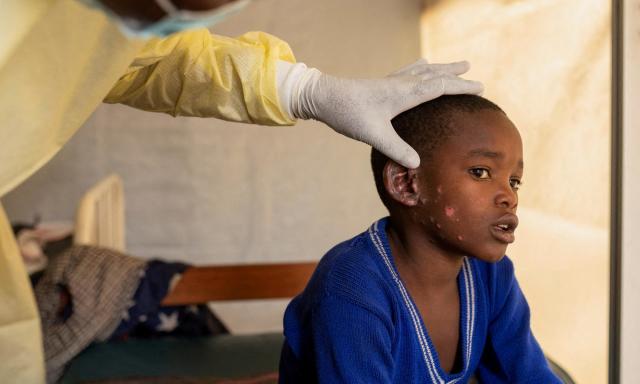
Sweden Reports Mpox Clade I – WHO Calls for Global Action
Introduction to Mpox Clade I
Recently, Sweden has reported cases of Mpox Clade I, a new variant of the Mpox virus. This development has prompted the World Health Organization (WHO) to call for immediate global action. Mpox, formerly known as monkeypox, is a viral disease that was first identified in 1958 and has recently gained attention due to its resurgence and evolution.
Details of the New Variant
Mpox Clade I, identified in Sweden, represents a new genetic strain of the virus. The WHO’s call to action is in response to the unique characteristics of this clade, which could potentially lead to different clinical outcomes and transmission patterns. Preliminary reports suggest that Mpox Clade I exhibits a higher rate of transmission compared to previous strains.
WHO’s Response and Recommendations
In light of this new development, the WHO has urged countries to enhance their surveillance and diagnostic capabilities. The organization has also recommended that nations increase public health awareness and prepare for potential outbreaks. The WHO’s guidance includes strengthening health systems, sharing data globally, and accelerating research into vaccines and treatments.
Impact on Global Health
The emergence of Mpox Clade I highlights the need for a coordinated international response to emerging infectious diseases. The global health community must remain vigilant to prevent a resurgence of Mpox and to address the challenges posed by new variants. This situation underscores the importance of global cooperation in managing public health threats.
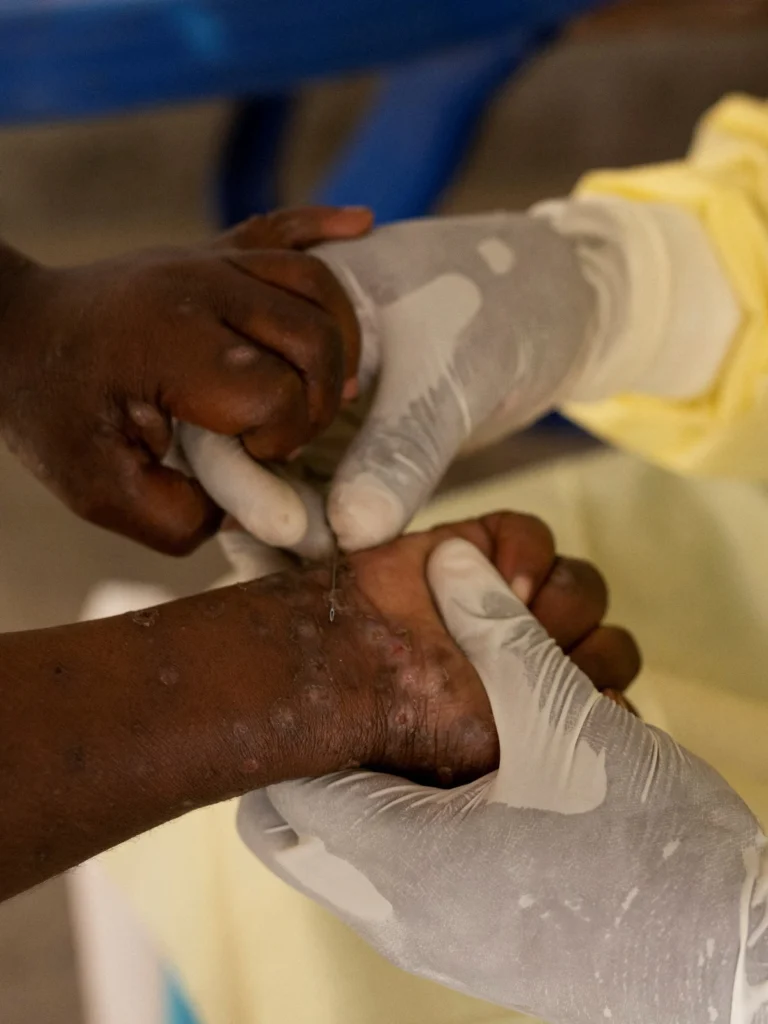
Why This News is Important
Global Health Threat
The identification of Mpox Clade I in Sweden is significant because it introduces a new variable into the Mpox virus’s evolution. This clade could affect global health dynamics by altering transmission patterns and disease severity. Understanding and controlling this new variant is crucial to preventing widespread outbreaks.
Public Health Preparedness
The WHO’s call for global action emphasizes the importance of preparedness in the face of emerging diseases. Countries need to enhance their public health infrastructure and ensure readiness to address potential outbreaks effectively. This situation serves as a reminder of the need for ongoing vigilance and investment in health systems.
Impact on Vaccination and Treatment
The emergence of Mpox Clade I may influence ongoing research and development of vaccines and treatments. Scientists and health authorities must adapt their strategies to address the specific characteristics of this new variant. This could lead to advancements in medical science and improvements in disease management.
International Collaboration
The WHO’s recommendations highlight the necessity for international collaboration in tackling global health threats. Sharing information, resources, and expertise across borders is essential for managing infectious diseases and safeguarding public health.
Historical Context
The Mpox virus was first identified in monkeys in 1958, with the first human cases reported in the Democratic Republic of Congo in 1970. Over the years, Mpox has been sporadically reported in various regions, particularly in Central and West Africa. The recent resurgence and emergence of new variants like Mpox Clade I underscore the evolving nature of the virus and the need for continued global surveillance and research.
Key Takeaways from Sweden Reports Mpox Clade I
| Serial Number | Key Takeaway |
|---|---|
| 1 | Mpox Clade I, a new variant of the Mpox virus, has been reported in Sweden. |
| 2 | The WHO has called for immediate global action to address this new variant. |
| 3 | Mpox Clade I may exhibit different transmission rates and clinical outcomes. |
| 4 | The WHO recommends enhanced surveillance, public health awareness, and research. |
| 5 | International collaboration is crucial in managing and preventing outbreaks of new variants. |
Important FAQs for Students from this News
1. What is Mpox Clade I?
Mpox Clade I is a new genetic variant of the Mpox virus, which is a viral infection previously known as monkeypox. It was recently identified in Sweden, and its unique characteristics have prompted global health authorities to take action.
2. Why is the WHO calling for global action regarding Mpox Clade I?
The WHO is calling for global action due to the potential higher transmission rates and differing clinical outcomes associated with Mpox Clade I. The goal is to enhance surveillance, increase public health awareness, and prepare for possible outbreaks.
3. How can countries prepare for the new Mpox Clade I variant?
Countries should improve their surveillance systems, enhance diagnostic capabilities, increase public health awareness, and invest in research for vaccines and treatments. Collaboration and data sharing across borders are also crucial.
4. What impact could Mpox Clade I have on global health?
Mpox Clade I could affect global health by altering transmission patterns and disease severity. It underscores the need for coordinated international responses to emerging infectious diseases to prevent widespread outbreaks.
5. How does the history of Mpox relate to the current situation?
Mpox was first identified in 1958 and has been reported sporadically in Africa. The recent emergence of new variants like Clade I highlights the evolving nature of the virus and the need for ongoing global surveillance and research.
Some Important Current Affairs Links

