
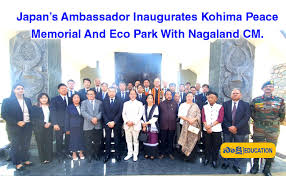
Japan and Nagaland Inaugurate Kohima Peace Memorial and Eco Park
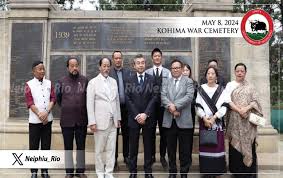
In a historic collaboration, Japan and Nagaland inaugurated the Kohima Peace Memorial and Eco Park, marking a significant milestone in the relationship between the two. The park, located in Kohima, the capital of Nagaland, is a testament to the shared history and the enduring quest for peace.
Why this News is Important:
Significance of Japan-Nagaland Collaboration The collaboration between Japan and Nagaland holds immense significance, especially considering Japan’s pivotal role in World War II and Nagaland’s historical connection to the conflict. This joint effort symbolizes reconciliation and serves as a poignant reminder of the need for peace and understanding among nations.
Strengthening Bilateral Relations The inauguration of the Kohima Peace Memorial and Eco Park is indicative of the efforts to strengthen bilateral relations between Japan and Nagaland. It showcases a positive trajectory in diplomatic ties and opens avenues for future cooperation in various sectors, including tourism and cultural exchange.
Commemoration of Sacrifices The park serves as a solemn tribute to the sacrifices made during World War II, particularly in the context of the Battle of Kohima, which witnessed fierce fighting between Allied forces and the Japanese army. It honors the memory of those who lost their lives and underscores the importance of preserving historical heritage.
Promotion of Tourism and Education The establishment of the Kohima Peace Memorial and Eco Park is expected to boost tourism in Nagaland, attracting visitors from around the world who seek to learn about its rich history and cultural heritage. Additionally, it provides educational opportunities for students and researchers interested in the socio-political dynamics of the region.
Environmental Conservation In line with its designation as an eco park, efforts will be made to promote environmental conservation and sustainability within the premises. The park not only serves as a site of remembrance but also as a space for fostering environmental consciousness and stewardship.
Historical Context:
World War II and the Battle of Kohima The inauguration of the Kohima Peace Memorial and Eco Park is rooted in the historical context of World War II and the Battle of Kohima, which took place from April 4 to June 22, 1944. Nagaland, then part of British India, witnessed intense fighting between Allied forces, primarily consisting of British and Indian troops, and the Japanese army.
Legacy of Sacrifice and Resilience The Battle of Kohima is often referred to as the “Stalingrad of the East” due to its strategic significance and the ferocity of the combat. It resulted in heavy casualties on both sides but ultimately ended in victory for the Allied forces. The resilience and determination displayed by the defenders of Kohima played a crucial role in turning the tide of the war in the Southeast Asian theater.
Post-War Reconciliation and Reconstruction In the aftermath of World War II, efforts were made to rebuild war-torn regions and foster reconciliation among former adversaries. Japan’s post-war reconstruction and its commitment to peace-building initiatives have been integral to its evolving relationship with nations like India and Nagaland, which bore witness to the impact of the conflict.
5 Key Takeaways from “Japan and Nagaland Inaugurate Kohima Peace Memorial and Eco Park”:
| Serial Number | Key Takeaway |
|---|---|
| 1. | Symbolizes reconciliation between Japan and Nagaland |
| 2. | Strengthens bilateral relations and diplomatic ties |
| 3. | Commemorates sacrifices made during World War II |
| 4. | Promotes tourism, education, and environmental conservation |
| 5. | Rooted in the historical context of the Battle of Kohima |
Important FAQs for Students from this News
1. What is the significance of the Kohima Peace Memorial and Eco Park?
- The Kohima Peace Memorial and Eco Park symbolize reconciliation between Japan and Nagaland, commemorating the sacrifices made during World War II and promoting tourism, education, and environmental conservation.
2. How does the inauguration of the park strengthen bilateral relations?
- The collaboration between Japan and Nagaland signifies a positive trajectory in diplomatic ties, opening avenues for cooperation in various sectors and fostering mutual understanding.
3. What historical event is associated with the Battle of Kohima?
- The Battle of Kohima, which took place during World War II, witnessed intense fighting between Allied forces and the Japanese army, resulting in heavy casualties but ultimately ending in victory for the Allies.
4. How does the park contribute to environmental conservation?
- As an eco park, efforts will be made to promote environmental consciousness and sustainability within the premises, aligning with the park’s mission of honoring history while fostering environmental stewardship.
5. What is the significance of the Battle of Kohima in the context of World War II?
- The Battle of Kohima, often referred to as the “Stalingrad of the East,” played a crucial role in turning the tide of the war in the Southeast Asian theater, highlighting the resilience and determination of the defenders.
Some Important Current Affairs Links

