
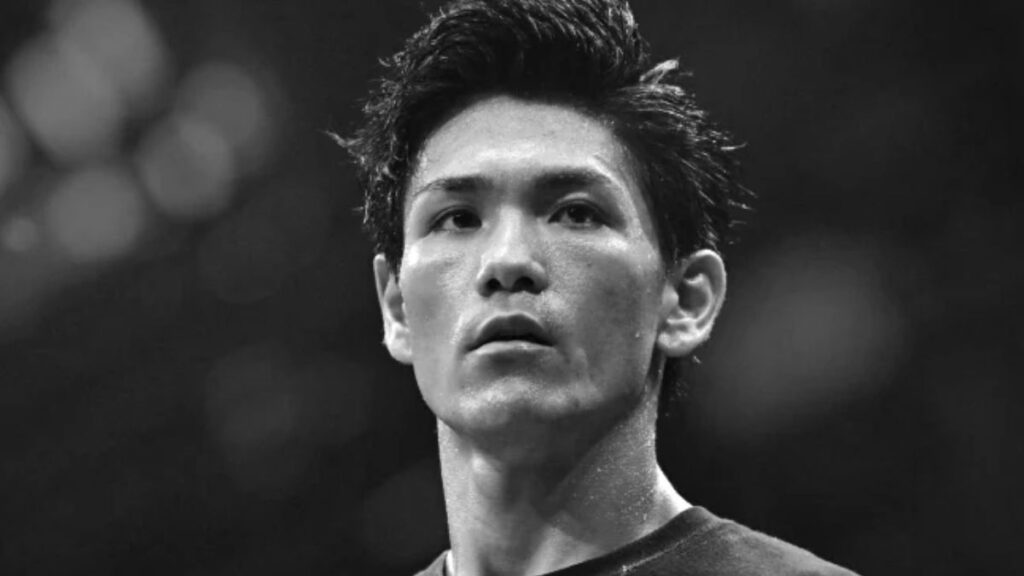
Japanese boxer Hiromasa Urakawa’s tragic death due to fight injuries prompts urgent boxing safety rule changes by the Japan Boxing Commission to protect athletes and reduce risks of fatal brain injuries.
🥊 Tragic Death of Japanese Boxer Hiromasa Urakawa Sparks Urgent Safety Reforms
In a devastating turn of events, 28-year-old Japanese boxer Hiromasa Urakawa succumbed to brain injuries sustained during his match against Yoji Saito on August 2, 2025, at Tokyo’s Korakuen Hall. This tragedy follows the earlier death of fellow boxer Shigetoshi Kotari from similar injuries on the same fight card, highlighting critical safety concerns in the sport.
🧠 The Incident
Urakawa was knocked out in the eighth round of his bout and underwent emergency surgery for a subdural hematoma—a life-threatening brain injury. Despite medical intervention, he passed away the following day. His death came just days after Kotari, who had fought to a draw against Yamato Hata, died from a subdural hematoma sustained during his match .
⚖️ Immediate Response and Rule Changes
In response to these tragedies, the Japan Boxing Commission has implemented immediate safety reforms:
- Reducing the duration of Oriental and Pacific Boxing Federation (OPBF) title bouts from 12 to 10 rounds.
- Conducting an emergency meeting to assess and enhance fighter safety protocols, including addressing concerns related to weight cutting and dehydration .
These measures aim to mitigate the risk of life-threatening injuries and ensure the well-being of boxers.
🌍 Global Implications
Urakawa’s death marks the third high-profile boxing-related fatality in 2025, following the death of Irish boxer John Cooney in February. These incidents have reignited global discussions on the need for stricter safety regulations and medical oversight in combat sports .
🧠 Understanding Subdural Hematoma
A subdural hematoma occurs when blood collects between the brain and its outer covering, often due to trauma. Symptoms may develop hours or days after the injury, making it a silent yet potentially fatal condition if not promptly treated
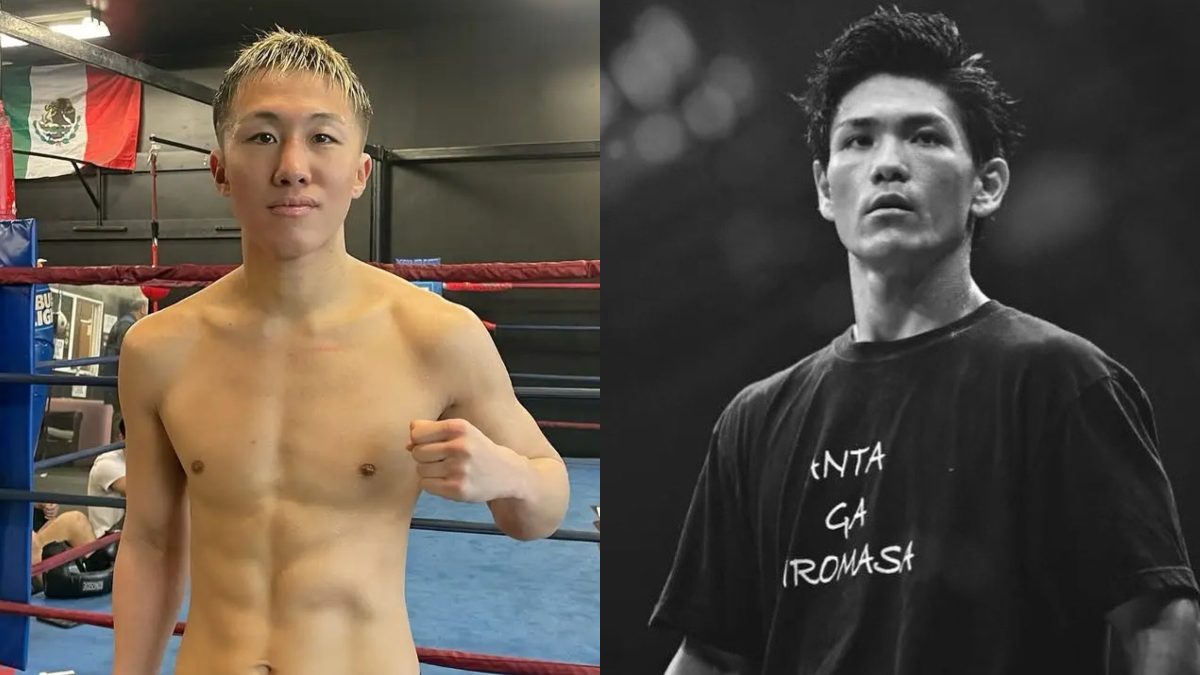 "Japanese boxer fight injuries")
Why This News Is Important
📰 Significance in the Context of Government Exams
The deaths of Hiromasa Urakawa and Shigetoshi Kotari underscore the critical importance of safety regulations in sports, a topic relevant to various government exams, including those for positions in law enforcement, civil services, and sports administration. Understanding the implications of such incidents can aid in formulating policies that prioritize athlete welfare.
Historical Context
🏛️ Background on Boxing-Related Fatalities
The tragic deaths of Urakawa and Kotari are part of a broader pattern of fatalities in boxing due to brain injuries. Notably, in 2005, the deaths of boxers Leavander Johnson and Martín Sánchez led to significant regulatory changes in Nevada, including mandatory brain scans and increased medical supervision during bouts . These reforms aimed to enhance fighter safety and have influenced global standards in the sport.
Key Takeaways from ‘Japanese Boxer Hiromasa Urakawa Dies from Fight Injuries’
| S. No. | Key Takeaway |
|---|---|
| 1 | Hiromasa Urakawa, 28, died from brain injuries after an eighth-round knockout against Yoji Saito. |
| 2 | His death followed that of Shigetoshi Kotari, also 28, who died from a subdural hematoma after his bout. |
| 3 | Both incidents occurred on the same fight card at Tokyo’s Korakuen Hall on August 2, 2025. |
| 4 | The Japan Boxing Commission has reduced OPBF title bouts from 12 to 10 rounds to enhance safety. |
| 5 | These fatalities have sparked global discussions on improving safety protocols in combat sports. |
FAQs: Frequently Asked Questions
1. Who was Hiromasa Urakawa?
Hiromasa Urakawa was a 28-year-old Japanese professional boxer who tragically died due to brain injuries sustained during a boxing match in Tokyo in August 2025.
2. What caused Hiromasa Urakawa’s death?
He died from a subdural hematoma, a severe brain injury caused by trauma during his fight against Yoji Saito.
3. What immediate changes were made after these incidents?
The Japan Boxing Commission reduced the length of OPBF title bouts from 12 to 10 rounds and held emergency meetings to revise fighter safety protocols.
4. What is a subdural hematoma?
A subdural hematoma is bleeding between the brain and the outer protective covering (dura), often caused by head trauma, which can be life-threatening if untreated.
5. Why is this news important for government exam aspirants?
This news highlights the importance of sports safety regulations, public health policies, and administrative responses, relevant for roles in civil services, police, and sports administration.
6. Have there been other similar boxing fatalities recently?
Yes, in 2025, Irish boxer John Cooney also died from boxing-related brain injuries, marking multiple high-profile fatalities this year.
7. What global impact has this incident had?
These deaths have reignited international discussions on improving safety standards and medical supervision in combat sports worldwide.
Some Important Current Affairs Links

