
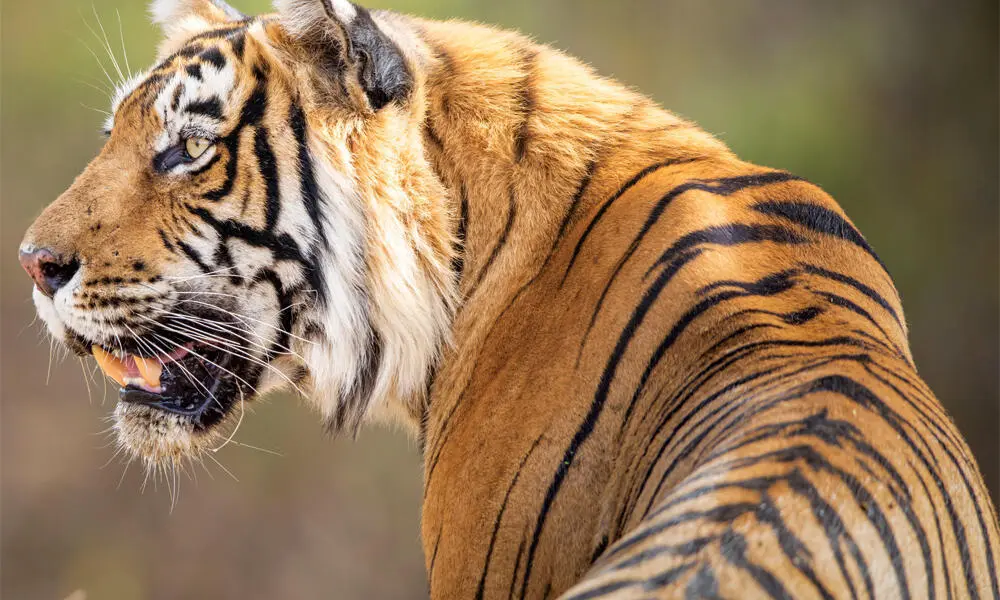
Nepal Becomes Founding Member of International Big Cats Alliance
Nepal, one of the most biologically diverse countries in the world, has become a founding member of the International Big Cats Alliance (IBCA). The aim of the alliance is to conserve the world’s wild big cats, which include tigers, lions, leopards, and jaguars. The initiative was launched by the United States and India in 2021 and currently has eight member countries.
The alliance aims to tackle the challenges faced by wild big cats, such as habitat loss, poaching, and human-wildlife conflict. According to the World Wildlife Fund, the population of wild big cats has declined by more than 50% in the past 50 years. Conservation efforts by countries like Nepal can play a crucial role in preventing the extinction of these magnificent animals.
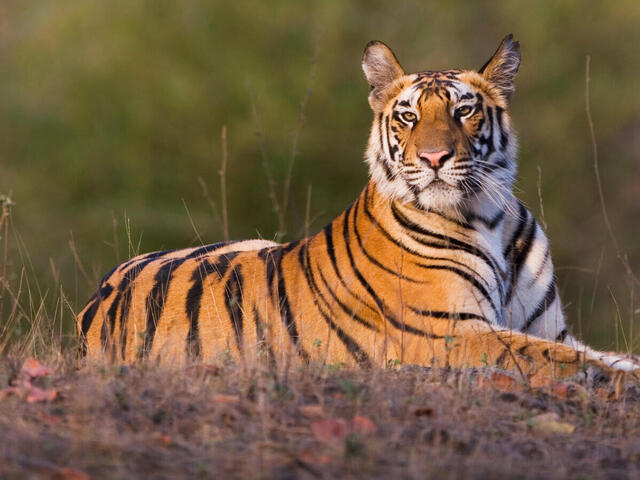
Nepal’s commitment to the IBCA is a significant step towards the conservation of big cats. The country has a long history of conservation efforts and is home to some of the world’s most endangered species, including the Bengal tiger. Nepal has also been successful in reducing poaching and increasing the population of tigers in recent years.
The IBCA provides a platform for countries to collaborate on conservation efforts, share best practices, and exchange information. The alliance also aims to increase public awareness and support for big cat conservation.
Why this News is Important:
Nepal’s membership in the International Big Cats Alliance is significant for several reasons. Firstly, it highlights Nepal’s commitment to conservation efforts and its role as a leader in the conservation of wildlife. Secondly, it underscores the importance of international cooperation in the fight against the decline of wild big cats. Finally, it emphasizes the urgency of the situation and the need for immediate action to prevent the extinction of these magnificent animals.
Historical Context:
Nepal has a long history of conservation efforts and is home to some of the world’s most endangered species, including the Bengal tiger. In 1973, Nepal established the Royal Chitwan National Park, which was later designated a UNESCO World Heritage Site. The park is home to over 700 species of wildlife, including tigers, rhinoceroses, and elephants.
In recent years, Nepal has been successful in reducing poaching and increasing the population of tigers. In 2018, a national tiger survey revealed that the population of tigers had increased by 63% since 2009, making Nepal one of the few countries where the tiger population is on the rise.
Key Takeaways from “Nepal Becomes Founding Member of International Big Cats Alliance”:
| Serial Number | Key Takeaway |
|---|---|
| 1. | Nepal has become a founding member of the International Big Cats Alliance. |
| 2. | The alliance aims to conserve wild big cats, which include tigers, lions, leopards, and jaguars. |
| 3. | Nepal’s membership in the IBCA highlights its commitment to conservation efforts and its role as a leader in the conservation of wildlife. |
| 4. | The decline of wild big cats is a significant challenge, and international cooperation is essential to tackle it. |
| 5. | Nepal has a long history of conservation efforts and has been successful in reducing poaching and increasing the population of tigers in recent years. |
Conclusion
In conclusion, Nepal’s membership in the International Big Cats Alliance is a significant step towards the conservation of big cats. The alliance provides a platform for countries to collaborate on conservation efforts, share best practices, and exchange information. Nepal’s commitment to the IBCA underscores the importance of international cooperation in the fight against the decline of wild big cats and highlights the urgency.
Important FAQs for Students from this News
Q1. What is the International Big Cats Alliance?
A: The International Big Cats Alliance is a global initiative aimed at conserving big cats and their habitats. It was launched in 2021.
Q2. Which countries are the founding members of the International Big Cats Alliance?
A: The founding members of the International Big Cats Alliance are Nepal, Bangladesh, Bhutan, and Russia.
Q3. What is the purpose of the International Big Cats Alliance?
A: The purpose of the International Big Cats Alliance is to promote international cooperation in the conservation and management of big cats and their habitats.
Q4. How will the International Big Cats Alliance help in the conservation of big cats?
A: The International Big Cats Alliance will facilitate the exchange of information, expertise, and best practices among member countries to enhance the effectiveness of their conservation efforts.
Q5. What is the status of big cats in Nepal?
A: Nepal is home to several species of big cats, including tigers, snow leopards, and clouded leopards. While the population of these species has increased in recent years, they are still considered endangered.
Some Important Current Affairs Links

