

The title “Magic City” in the United States is often associated with Miami, Florida. This designation reflects its rapid growth, vibrant culture, and economic significance. Over the years, Miami has emerged as a global hub for tourism, trade, finance, and entertainment. In this article, we will explore why Miami is called the “Magic City,” its historical background, and its importance in contemporary times.
Why is Miami Called the “Magic City”?
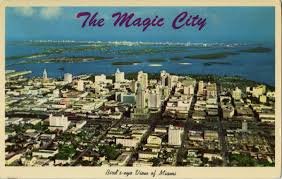
Miami earned the title “Magic City” due to its remarkable transformation from a small settlement to a booming metropolis in a short period. The term was popularized in the early 20th century when visitors were astonished by the city’s rapid urban development, especially in the tourism and real estate sectors.
Economic and Cultural Importance
Miami is one of the most significant economic powerhouses in the U.S. It serves as a crucial gateway to Latin America and is home to numerous multinational corporations. The city is also famous for its diverse cultural landscape, with a strong influence from Hispanic and Caribbean communities. Miami’s beaches, nightlife, and luxury lifestyle attract millions of tourists annually.
Role in International Trade and Commerce
Miami is a vital center for international business, particularly in trade and finance. The Port of Miami, one of the busiest cargo and cruise ports globally, facilitates trade between North and South America. Additionally, Miami International Airport is a key transportation hub, enhancing its position as a business-friendly city.
Tourism and Entertainment
Tourism plays a crucial role in Miami’s economy. The city offers world-class attractions, including South Beach, Art Deco Historic District, Little Havana, and the Wynwood Walls. Miami also hosts renowned events such as Art Basel and the Miami International Film Festival, making it a cultural hotspot.
Why This News is Important
Significance in Economic Growth
Understanding why Miami is known as the “Magic City” is essential for students preparing for government exams, particularly in economics, geography, and general knowledge sections. The city’s rapid urbanization showcases how infrastructure and tourism contribute to economic growth.
Influence on International Trade and Diplomacy
Miami’s strategic location makes it a focal point for international trade, especially with Latin America. This is relevant for exams covering global economic relations and trade policies.
Cultural and Historical Relevance
Miami’s multicultural identity serves as a case study for questions related to urban development, migration, and cultural integration.
Historical Context
Miami was incorporated as a city in 1896 with just a few hundred residents. The Florida land boom of the 1920s saw an influx of settlers, boosting the city’s real estate and tourism industries. In the 20th century, Cuban immigrants played a significant role in shaping Miami’s cultural and economic landscape, further strengthening its reputation as the “Magic City.”
Key Takeaways from Miami’s Magic City Title
| S. No | Key Takeaway |
|---|---|
| 1 | Miami is called the “Magic City” due to its rapid urbanization. |
| 2 | It is a significant hub for international trade, especially with Latin America. |
| 3 | Miami is a major center for tourism, finance, and entertainment. |
| 4 | The Port of Miami plays a crucial role in global maritime trade. |
| 5 | Miami’s cultural diversity is influenced by Hispanic and Caribbean communities. |
FAQs
1. Why is Miami referred to as the Magic City?
Miami is called the Magic City due to its swift growth from a small settlement to a global metropolis.
2. What are the major industries in Miami?
The city’s economy thrives on tourism, international trade, finance, and entertainment.
3. What is the historical significance of Miami?
Miami’s incorporation in 1896 and the subsequent real estate boom contributed to its rapid urbanization.
4. How does Miami contribute to international trade?
The Port of Miami and Miami International Airport facilitate significant global trade, especially with Latin America.
5. What are the top tourist attractions in Miami?
Popular spots include South Beach, Little Havana, Art Deco Historic District, and Wynwood Walls.
Some Important Current Affairs Links

