
Blackbuck release in Banni Grasslands: Learn about the release of 20 blackbucks in Gujarat, their scientific name, conservation significance, Banni Grasslands and key exam facts.
Gujarat Marks Independence Day with a Wildlife Conservation Milestone
On India’s 80th Independence Day, the Gujarat Forest Department released 20 blackbucks (Antilope cervicapra) into the Banni Grasslands of Kutch, Gujarat. The initiative is aimed at restoring native herbivore populations and strengthening the ecological balance of one of India’s important grassland ecosystems. The release was carried out with technical support from the Greens Zoological Rescue and Rehabilitation Centre (GZRRC), Vantara, in Jamnagar.
20 Blackbucks Translocated to Banni Grasslands
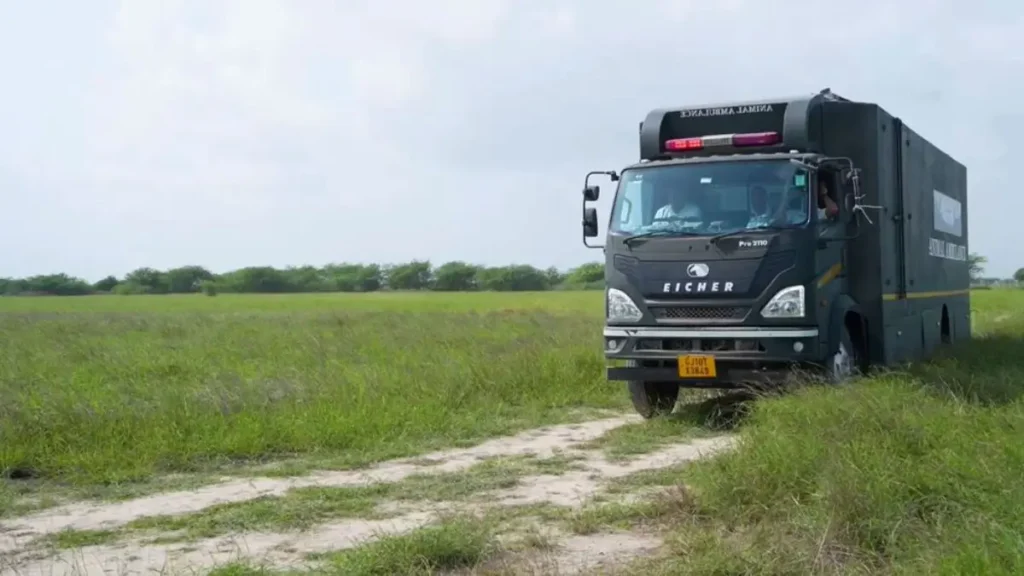
The animals released in Banni comprised five males and 15 females. They were transferred from Vantara’s rescue and rehabilitation centre in Jamnagar after the necessary approvals from the Chief Wildlife Warden, Gujarat, and the Central Zoo Authority (CZA). The animals underwent veterinary examinations, health screening, quarantine and disease-surveillance procedures before transportation and release.
Importance of Banni Grasslands for Wildlife
The Banni Grasslands, located in Gujarat’s Kutch region, represent an important grassland landscape with significant biodiversity. Restoring native herbivores in such habitats can contribute to healthier food chains and improve ecological resilience. Blackbucks are grassland-adapted antelopes and their presence can support the restoration of natural ecological relationships within suitable habitats.
Rewilding as a Conservation Strategy
The initiative is an example of rewilding, in which native wildlife is returned to suitable natural habitats under scientifically managed conditions. Rewilding is more than simply releasing animals into the wild; it requires habitat assessment, animal health checks, population planning, transportation protocols and post-release monitoring. The Banni exercise therefore forms part of a broader approach to ecosystem restoration and species conservation.
Wider Native Herbivore Conservation Programme in Gujarat
The Banni release is connected with a broader Gujarat programme for strengthening native herbivore populations. The central government has approved the translocation of 500 blackbucks and 100 chinkaras as part of the wider conservation effort. Some elements of this programme are also associated with strengthening prey availability in landscapes relevant to cheetah conservation, although the Banni blackbuck release has an independent objective of restoring native wildlife in the grassland ecosystem.
Role of Vantara and Gujarat Forest Department
The Gujarat Forest Department has taken the lead in the conservation programme, while Vantara has provided specialised technical assistance involving wildlife handling, veterinary expertise and transportation. The collaboration demonstrates how government agencies and specialised conservation institutions can work together in wildlife restoration programmes while following regulatory and veterinary safeguards.
Connection with India’s Broader Wildlife Conservation Goals
Restoration of herbivore populations is important because herbivores form a crucial part of grassland food webs and can contribute to maintaining ecological processes. Strong prey populations are also relevant to wider landscape-level conservation, including initiatives involving large carnivores such as the Asiatic lion and cheetah. The Banni project therefore reflects the increasing emphasis on habitat restoration, species recovery and scientific wildlife management in India.
Why Blackbuck Conservation Matters
The blackbuck is one of India’s distinctive native antelopes and is closely associated with open grassland and semi-arid landscapes. Its conservation has significance for biodiversity protection as well as for maintaining healthy grassland ecosystems. The release of 20 animals, particularly with a higher proportion of females, can potentially contribute to establishing a breeding population if habitat conditions and long-term management remain favourable.
A Significant Conservation Message on Independence Day
The release of blackbucks on Independence Day gave the conservation programme additional symbolic importance. More importantly, the initiative highlights the need to protect native species in their suitable habitats rather than viewing wildlife conservation only through individual species numbers. Successful rewilding requires sustained habitat management, scientific monitoring and cooperation among government authorities, conservation organisations and local communities.
Why This News is Important
Importance for Environment and Ecology
The release of 20 blackbucks in Gujarat’s Banni Grasslands is important because it highlights the role of grassland restoration and native species conservation in maintaining ecological balance. Competitive examinations frequently include questions on wildlife species, habitats, biodiversity conservation and protected-area management. Banni’s association with Kutch and Gujarat makes this development particularly relevant for Geography and Environment sections.
Relevance to Wildlife Conservation
The initiative demonstrates the application of rewilding and wildlife translocation as conservation tools. Students should understand that successful translocation requires health screening, quarantine, veterinary assessment, safe transportation and post-release monitoring. These concepts are relevant to questions on conservation biology and government environmental programmes.
Connection with Wider Species Recovery Efforts
The programme also has relevance to India’s broader wildlife recovery strategy. Strengthening herbivore populations can improve grassland food webs and, in some landscapes, contribute to prey-base management for carnivore conservation. The wider Gujarat programme involving blackbucks and chinkaras therefore provides an important example of landscape-level wildlife management.
Importance for Current Affairs Examinations
For aspirants preparing for UPSC, State PSC, SSC, Railways, Banking, Defence and police examinations, the news provides multiple factual points: the species involved, its scientific name, the location of the release, the state concerned, the number and gender composition of animals, Vantara’s role and the Central Zoo Authority’s involvement. Such facts can be converted directly into objective-type questions.
Historical Context: Blackbuck and Grassland Conservation in India
Blackbuck in Indian Wildlife
The blackbuck, scientifically known as Antilope cervicapra, is a native Indian antelope primarily associated with open grasslands, scrublands and semi-arid habitats. Its distinctive appearance and dependence on open landscapes have made it an important species in Indian wildlife conservation.
Conservation Challenges
Grasslands have historically received less conservation attention than forests, despite supporting specialised wildlife and pastoral communities. Habitat conversion, changes in land use and other ecological pressures can affect grassland-dependent species. Conservation programmes increasingly recognise that grasslands require dedicated ecological management rather than being treated simply as degraded or vacant land.
Development of Species Recovery Approaches
India has increasingly adopted scientific approaches such as habitat restoration, species translocation, captive breeding where appropriate, reintroduction and rewilding. These methods are intended to strengthen wildlife populations while maintaining genetic, ecological and habitat considerations.
Banni as a Significant Grassland Landscape
The Banni region of Kutch is recognised for its distinctive grassland ecosystem and pastoral landscape. The introduction of native herbivores into suitable areas is intended to strengthen the ecological character of the region. The 2026 blackbuck release represents a recent step in this continuing conservation approach.
Link with Broader Wildlife Restoration
Gujarat’s conservation initiatives also include efforts to strengthen wildlife populations in landscapes associated with major species such as the Asiatic lion and to support wider ecological restoration. The approved programme for translocating 500 blackbucks and 100 chinkaras demonstrates the scale of the broader native-herbivore conservation effort.
Key Takeaways from 20 Blackbucks Released in Banni Grasslands
| S. No. | Key Takeaway |
|---|---|
| 1 | 20 blackbucks were released into the Banni Grasslands of Kutch, Gujarat, on India’s 80th Independence Day in 2026. |
| 2 | The released animals comprised 5 males and 15 females and were transferred from Vantara in Jamnagar. |
| 3 | The blackbuck’s scientific name is Antilope cervicapra. |
| 4 | The release was undertaken by the Gujarat Forest Department with technical support from GZRRC/Vantara, following required wildlife and veterinary protocols. |
| 5 | The initiative forms part of a broader effort to restore native herbivore populations and grassland ecosystems, with a wider approved programme involving 500 blackbucks and 100 chinkaras. |
FAQs: 20 Blackbucks Released in Gujarat’s Banni Grasslands
1. How many blackbucks were released in the Banni Grasslands?
A total of 20 blackbucks were released in the Banni Grasslands of Gujarat on Independence Day 2026.
2. Where are the Banni Grasslands located?
The Banni Grasslands are located in the Kutch region of Gujarat. They are an important grassland ecosystem known for their biodiversity and pastoral landscape.
3. What is the scientific name of the blackbuck?
The scientific name of the blackbuck is Antilope cervicapra.
4. How many male and female blackbucks were released?
The released group consisted of 5 males and 15 females.
5. Which organisation provided technical support for the blackbuck release?
The Greens Zoological Rescue and Rehabilitation Centre (GZRRC), Vantara, provided technical support for the initiative.
6. From where were the blackbucks transferred?
The blackbucks were transferred from Vantara’s rescue and rehabilitation centre in Jamnagar, Gujarat.
7. Which department carried out the blackbuck release?
The Gujarat Forest Department led the release programme.
8. What is the main objective of releasing blackbucks in Banni?
The major objective is to restore native herbivore populations and strengthen the ecological balance of the Banni grassland ecosystem.
9. What conservation method does the release represent?
The initiative is an example of rewilding, in which native wildlife is returned to suitable natural habitats under scientific management and monitoring.
10. What is the Central Zoo Authority?
The Central Zoo Authority (CZA) is a statutory body under India’s wildlife conservation framework that regulates and oversees the functioning of zoos and related activities in accordance with prescribed standards.
11. What is the broader blackbuck and chinkara conservation programme in Gujarat?
A wider conservation programme has received approval for the translocation of 500 blackbucks and 100 chinkaras, aimed at strengthening native herbivore populations.
12. Why are blackbucks important to grassland ecosystems?
Blackbucks are native grassland herbivores. Their presence contributes to the functioning of grassland food webs and ecological processes.
13. Which Indian state is particularly associated with the Asiatic lion?
Gujarat is particularly associated with the Asiatic lion, whose principal wild population is found in the Gir landscape.
Some Important Current Affairs Links

