
Bangladesh Operation Devil Hunt launched by interim PM Muhammad Yunus targets pro-Hasina groups after student protests. India reacts to museum vandalism in Dhaka. Learn key exam points.
Bangladesh Launches ‘Operation Devil Hunt’: A New Security Crackdown
Bangladesh has initiated a comprehensive security operation titled “Operation Devil Hunt”, targeting loyalists of former Prime Minister Sheikh Hasina. Spearheaded by interim Interior Minister Jahangir Alam Chowdhury, this crackdown follows a series of reported violent attacks against student protesters allegedly orchestrated by pro‑Hasina gangsThe interim administration, headed by Nobel laureate Muhammad Yunus, is determined to dismantle these networks and restore democratic order throughout the country.
Background of the Operation
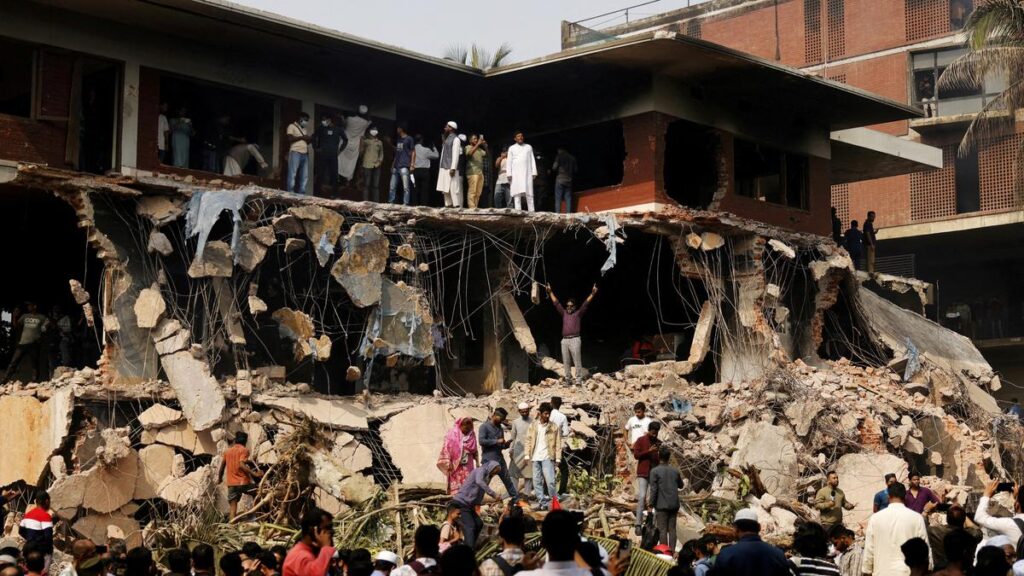
Tensions escalated when reports emerged of Sheikh Hasina’s planned virtual address from exile in India. In response, supporters allegedly aligned with her regime violently confronted protesting students. These confrontations included the destruction of properties linked to Hasina’s family and even involved the use of heavy equipment to damage the Bangabandhu Memorial Museum In response, the interim government launched “Operation Devil Hunt” to curb what it calls “devilish” forces.
Government’s Objectives and Strategies
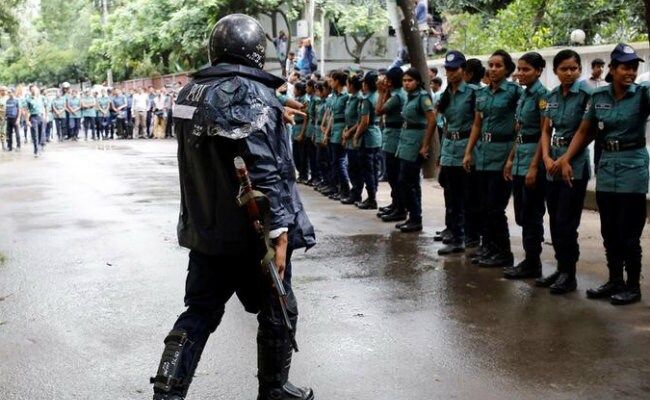
The primary goal of this operation, according to Minister Chowdhury, is to eliminate pro‑Hasina terror networks, ensure law and order, and protect citizens from politically motivated violenceThe initiative includes strategic raids, arrests, and intelligence‑based monitoring across urban and rural regions. The interim government pledged that no one involved in the violence—regardless of political affiliation—will be spared.
Regional and Diplomatic Impact
India swiftly condemned the destruction of the Bangabandhu Memorial Museum, describing it as an assault on Bangladesh’s national identity But Dhaka retaliated, labeling India’s stance as “unexpected and unwarranted,” and asserted that it would not meddle in India’s internal politics The diplomatic exchange highlights growing tensions between the two neighbors amidst internal political chaos.
Public Reaction and Outlook
The local populace and international observers are closely monitoring how the interim government handles this operation. While many citizens see it as a necessary step to maintain stability, critics argue it could escalate partisan polarisation. The operation’s success will hinge on transparent law enforcement and respect for civil liberties, particularly during politically charged arrests.
Why This News Is Important
Strengthening Democratic Institutions
The launch of Operation Devil Hunt underscores Bangladesh’s interim government’s effort to fortify democratic governance by rooting out violent political groups. For aspirants in civil services and administrative roles, understanding this reflects themes of political stability and government accountability.
Understanding India–Bangladesh Relations
The diplomatic row following the museum’s destruction offers valuable insight into regional geopolitics. India’s condemnation and Bangladesh’s rebuttal reveal sensitivities in bilateral ties—knowledge essential for exams covering international relations and Indian foreign policy.
Relevance to Exam Themes
This story connects with key government exam topics like internal security, civil–military dynamics, political violence, and diplomatic strategy. It illustrates how state action can influence societal order and bilateral diplomacy, making it an ideal case study for IBPS, UPSC, SSC, and similar exams.
Historical Context: Political Unrest in Bangladesh
Bangladesh’s political landscape has frequently been marred by tension between Sheikh Hasina’s Awami League and opposition groups. Violent protests and crackdowns have recurred, such as during the 2013 opposition-led hartals and the 2014 controversially held general election. Allegations of politically motivated violence have plagued successive governmentsThe destruction of the Bangabandhu Memorial carries symbolic weight, as it is a tribute to the country’s founding father, Sheikh Mujibur Rahman. Operation Devil Hunt reflects another chapter in Bangladesh’s long-standing drama of political unrest, state control, and the quest for democratic legitimacy.
Key Takeaways from “Operation Devil Hunt”
| S. No. | Key Takeaway |
|---|---|
| 1 | Operation Devil Hunt was launched by the interim government to eliminate pro‑Hasina violent networks after student protests were attacked |
| 2 | The operation is led by Interior Minister Jahangir Alam Chowdhury—and endorsed by interim PM Muhammad Yunus . |
| 3 | Pro‑Hasina gangs reportedly targeted students and destroyed buildings linked to Hasina’s family, including the Bangabandhu Memorial Museum . |
| 4 | India condemned the museum’s destruction; Bangladesh responded, calling India’s reaction “unexpected and unwarranted” . |
| 5 | The operation highlights critical exam themes: political violence, civil liberties, and the role of state action in democratic governance. |
FAQs: Frequently Asked Questions
1. What is Operation Devil Hunt?
Operation Devil Hunt is a security crackdown launched by Bangladesh’s interim government to dismantle violent political networks allegedly loyal to former PM Sheikh Hasina.
2. Who is leading the interim government in Bangladesh currently?
The interim government is led by Nobel Peace Prize laureate Muhammad Yunus, with Jahangir Alam Chowdhury serving as the Interior Minister.
3. Why was Operation Devil Hunt initiated?
The operation was launched in response to violent attacks on student protesters and the destruction of property linked to Sheikh Hasina and her family.
4. What diplomatic conflict arose during this operation?
India condemned the vandalism of the Bangabandhu Memorial Museum, prompting a rebuttal from Bangladesh, which termed India’s statement as “unexpected and unwarranted.”
5. What is the Bangabandhu Memorial Museum and why is it significant?
The museum commemorates Sheikh Mujibur Rahman, Bangladesh’s founding father. Its damage during the unrest holds symbolic implications and international political sensitivity.
6. Why is this news important for UPSC and PSC aspirants?
The event touches on international relations, internal security, state response to political violence, and regional diplomacy—all key exam areas.
7. What is the broader impact of this crackdown on Bangladesh’s political landscape?
It may redefine political alliances, suppress extremism, and influence the country’s upcoming electoral strategies and governance norms.
8. How did the international community respond to the crackdown?
Reactions are mixed. While some support stabilizing efforts, others caution against human rights violations and misuse of executive power.
9. What role has Muhammad Yunus played in this situation?
As interim PM, Yunus is leading a neutral administration aiming to restore democratic order without allegiance to former regimes.
10. What lessons does this event offer for civil service candidates?
It demonstrates crisis management, international diplomacy, political ethics, law enforcement priorities, and challenges of transitional governance.
Some Important Current Affairs Links

