
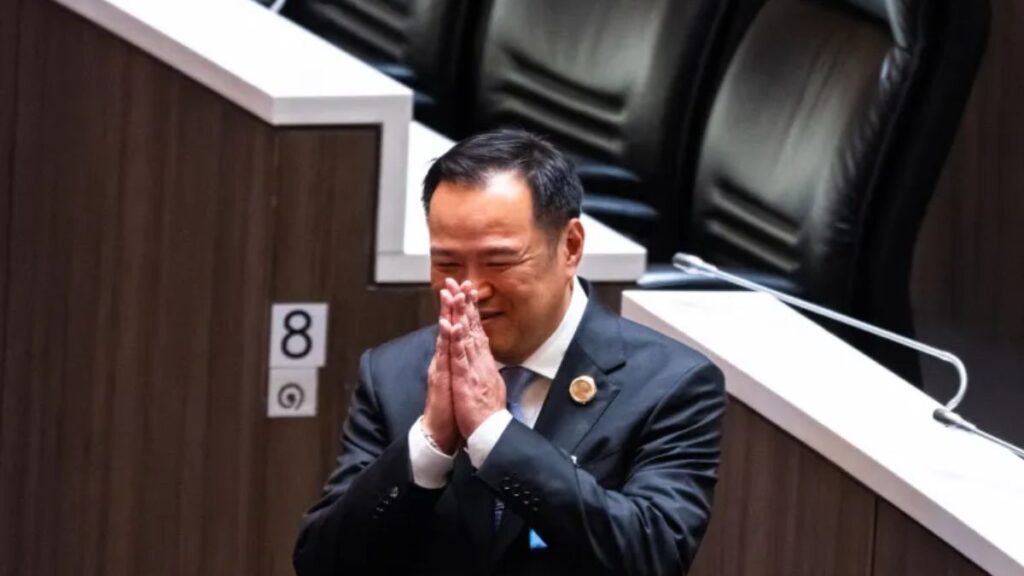
Anutin Charnvirakul Thailand PM elected in 2025, marking a political shift from the Shinawatra dynasty. Know key reforms, coalition government, and cannabis legalization leadership for exams.
Anutin Charnvirakul Elected Thailand’s Prime Minister
Parliamentary Victory Secures PM Candidacy
On September 5, 2025, Thailand’s lower house of Parliament voted overwhelmingly to elect Anutin Charnvirakul as the country’s new Prime Minister, achieving 311 votes—well above the majority requirement of 247.
Royal Endorsement Finalizes Appointment
Two days later, on September 7, 2025, the appointment was formally endorsed by King Maha Vajiralongkorn. In a ceremony at the Bhumjaithai Party headquarters, Anutin pledged to serve with “honesty and righteousness.”
Cannabis Legalization Architect Ascends
Anutin, 58, is best known for spearheading Thailand’s landmark cannabis decriminalization in 2022, making the country the first in Asia to permit recreational and medicinal cannabis sales due to a legal loophole.
Political Upset for the Shinawatra Dynasty
His election marks a dramatic setback for the Shinawatra political dynasty. The former ruling Pheu Thai Party’s candidate, Paetongtarn Shinawatra, was removed from power by a Constitutional Court ruling amid an ethics scandal. Meanwhile, her father and political powerhouse Thaksin Shinawatra departed for Dubai just prior to the vote.
Alliance with the People’s Party
Anutin forged a crucial pact with the progressive People’s Party, which agreed to support his government on the condition that elections be held within four months and constitutional reforms initiated.
Technocratic Cabinet Appointments
To bolster stability, Anutin appointed seasoned experts into key ministries—such as economist Ekniti Nitithanprapas (Finance), Auttapol Rerkpiboon (Energy), and diplomat Sihasak Phuangketkeow (Foreign Affairs).
Minority, Reform-Oriented Government
His administration is expected to function as a minority coalition, relying on conditional support from the People’s Party. This fragile setup prioritizes constitutional reform and national recovery.
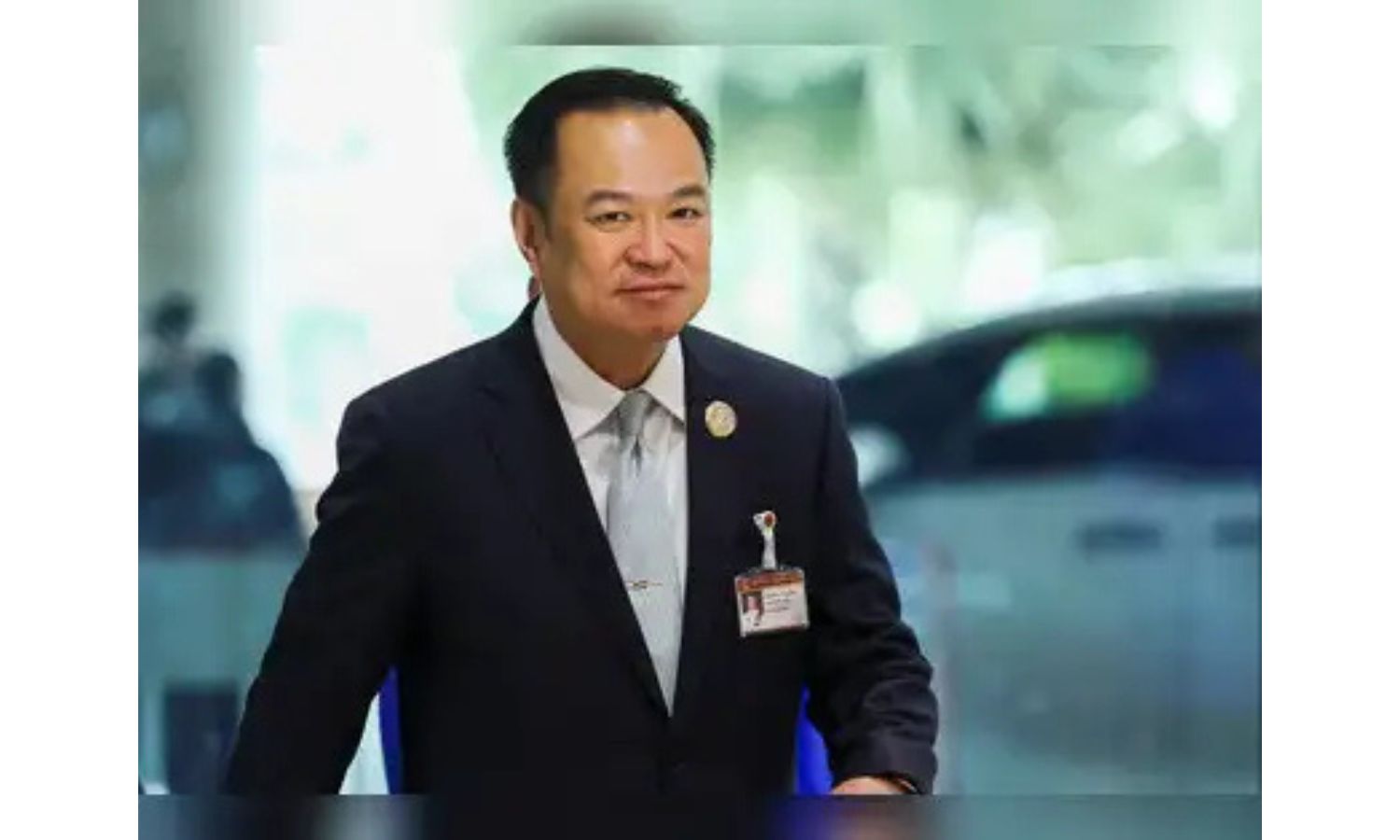
Why This News Is Important
Demonstrates Thailand’s Political Volatility
Thailand witnessed its third Prime Minister in just two years, underscoring deep political instability and institutional turmoil.
Break from Dynasty-Driven Politics
The Shinawatra family’s influence—spanning decades—has been significantly eroded. This is a potential turning point for Thai politics.
Cannabis Legalization Moves to Center Stage
Anutin’s unique political identity—built on cannabis decriminalization—signals how single-issue leadership can rise in modern electoral contests.
Exam-Relevant Themes: Reform, Governance, Constitutions
Aspiring civil servants should note the significance of constitutional reform, coalition dynamics, minority governance, and how judicial decisions can reshape political trajectories—all recurring themes in public administration and governance exams.
Pre-Election Tensions and Places for Students to Watch
Promises to call elections within four months and proposed constitutional referenda make this situation highly dynamic and contestable, key topics for competitive exams like the PCS, IAS, Banking, and Defence cadres, where current updates matter greatly.
Historical Context
Background: Paetongtarn’s Rise and Fall
Paetongtarn Shinawatra, daughter of Thaksin, became Thailand’s youngest PM in August 2024. However, following a leaked phone call about a border conflict with Cambodia in July 2025, she was suspended (July 1), briefly replaced by acting PM
Political Crisis Preceding Vote
The ruling coalition collapsed when Anutin’s Bhumjaithai Party exited and aligned with the People’s Party. In early September, they agreed on governance conditions and minority collaboration.
Elections Since 2023
The 2023 general elections produced a fragmented Parliament. The People’s Party emerged ahead but was blocked. Srettha Thavisin briefly served as PM (2023–2024), followed by Paetongtarn’s short-lived term, setting the stage for Anutin’s ascension.
Key Takeaways from Anutin Charnvirakul’s Election
| No. | Key Takeaway |
|---|---|
| 1 | Anutin Charnvirakul was elected PM of Thailand on September 5, 2025, securing 311 parliamentary votes. |
| 2 | He received royal endorsement on September 7, 2025, finalizing his appointment. |
| 3 | He is renowned for leading Thailand’s cannabis decriminalization in 2022. |
| 4 | The election marked a blow to the Shinawatra dynasty, following Paetongtarn’s removal and Thaksin’s exile. |
| 5 | Anutin formed a minority coalition with the People’s Party, promising elections in four months and a constitutional referendum. |
FAQs: Frequently Asked Questions
1. Who is Anutin Charnvirakul?
Anutin Charnvirakul is a Thai politician and leader of the Bhumjaithai Party. He became Thailand’s Prime Minister on September 5, 2025, known for spearheading the cannabis legalization movement in 2022.
2. When was Anutin officially appointed as Prime Minister?
He received formal royal endorsement from King Maha Vajiralongkorn on September 7, 2025, finalizing his appointment.
3. Which party did Anutin Charnvirakul represent?
He represents the Bhumjaithai Party, a key coalition party in Thailand’s Parliament.
4. Why is his election significant for Thai politics?
His election marks a shift away from the Shinawatra political dynasty and represents the rise of a reform-oriented, minority coalition government.
5. What is Anutin known for before becoming PM?
He is best known for legalizing recreational and medicinal cannabis in Thailand, making the country the first in Asia to allow such a move.
6. Who did Anutin succeed as the Prime Minister?
He succeeded Paetongtarn Shinawatra, who was removed by the Constitutional Court following a scandal.
7. What is the coalition arrangement of Anutin’s government?
Anutin formed a minority coalition government with the People’s Party, which supports him on the condition of elections within four months and constitutional reforms.
8. How many votes did Anutin receive in Parliament?
He received 311 votes, surpassing the required majority of 247.
9. What are the key reforms expected under Anutin’s government?
Key reforms include constitutional amendments, governance reforms, and preparation for upcoming elections.
10. Why is this news important for competitive exam aspirants?
It covers political stability, governance, constitutional changes, coalition politics, and policy reforms, which are frequent topics in civil services, banking, and defense exams.
Some Important Current Affairs Links

