
Ancient Egyptian genome study reveals DNA of 4,500-year-old Old Kingdom man, uncovering deep ancestral ties to North Africa and Mesopotamia. Important for UPSC and PSC exam prep.
Ancient Egyptian Genome Sequenced for the First Time: A Landmark in Archaeogenetics 🧬
Unprecedented Breakthrough in DNA Sequencing
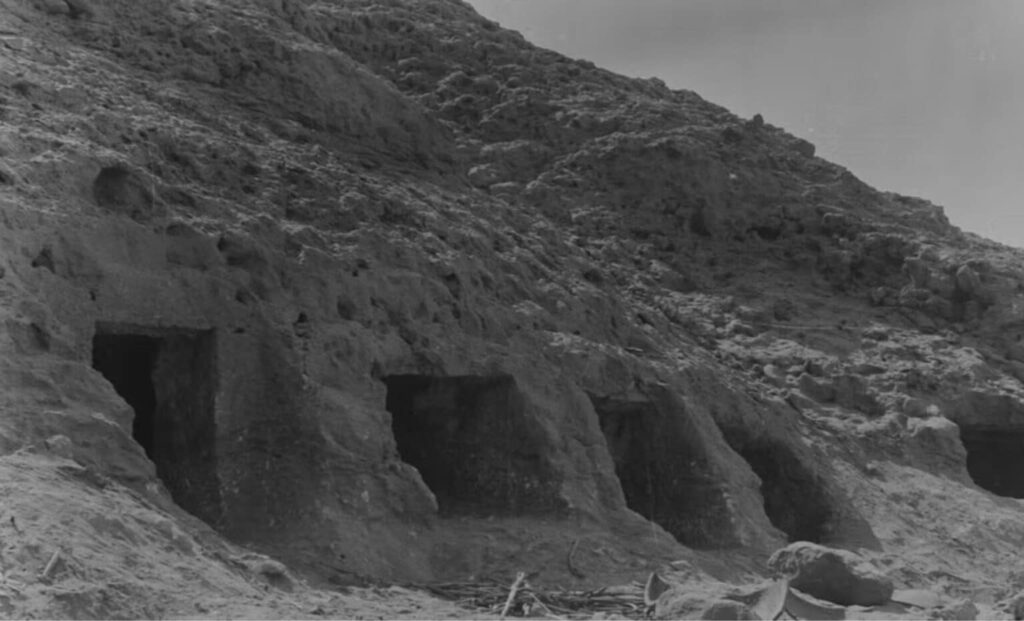
In July 2025, scientists successfully sequenced the complete genome of an Old Kingdom-era Egyptian—the earliest known whole-genome profile of an individual from ancient Egypt. This sample, dating roughly between 2855–2570 BCE, belonged to a high-status man excavated from Nuwayrat, a rock-cut tomb near Cairo Unlike previous studies limited to mitochondrial DNA, this is the first full genomic reconstruction, opening a window into ancient Egyptian ancestry.
Revealing Genetic Connections to the Near East
The analysis revealed around 77–80% North African Neolithic heritage, similar to that of Middle Neolithic Moroccans, and 20–22% ancestry from the eastern Fertile Crescent, particularly Mesopotamia This dual origin suggests ancient Egypt was a crossroads of migration, indicating deep-rooted genetic links with both North Africa and Western Asia.
Physical Traits and Y‑DNA Insights
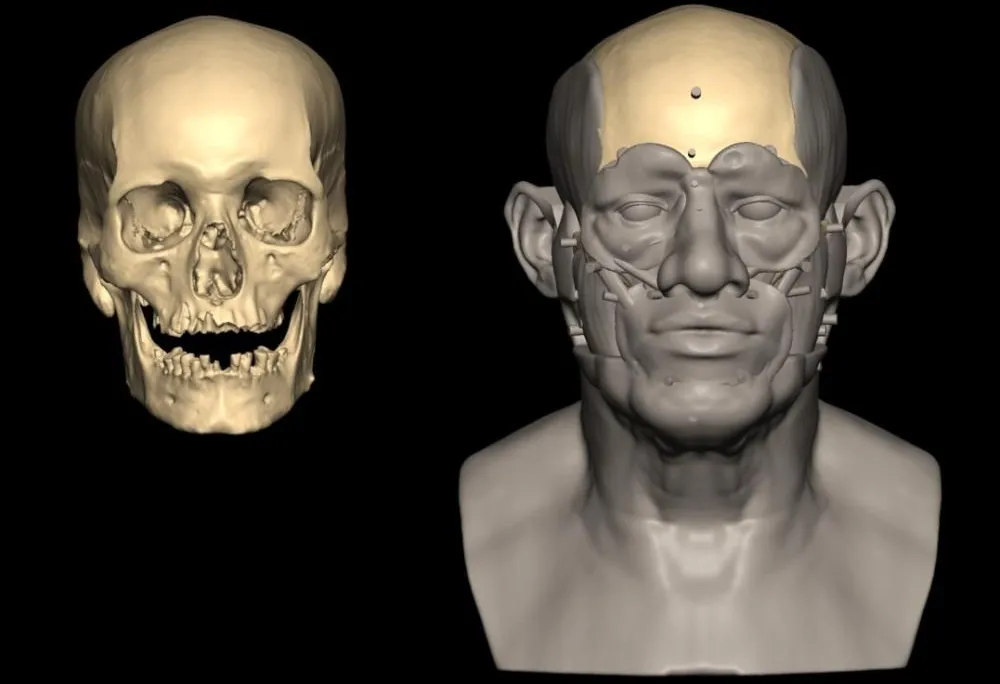
The individual’s genome revealed he likely had brown eyes, brown to black hair, and dark skin pigmentation, traits still common in the region His Y‑chromosome haplogroup, E1b1b1b2b, and mitochondrial lineage I/N1a1b2, are prevalent today in North Africa and Western Asia.
Continuity and Change Over Millennia
Comparing this ancient genome to modern Egyptians shows a notable 8% increase in sub‑Saharan African ancestry over the past two millennia This suggests long-term demographic shifts shaped by trade, migration, and other interactions postdating the Old Kingdom.
Research Caveats and Future Directions
Researchers caution the results stem from a single individual in northern Egypt; broader sampling is neededStill, it sets a critical precedent. As sequencing technology advances, more genomes across dynasties can deepen our understanding of Egypt’s population history.
Why This News is Important 🏛️
Rich Source Material for History and Genetics
This milestone in ancient DNA research provides detailed genetic data from a time when written records were limited. It empowers students to combine historical knowledge with scientific evidence, reinforcing their grasp of how early civilizations formed.
Enhances Understanding of Population Movements
By showing genetic links between Egypt and the Fertile Crescent, the study illuminates migration routes and cultural diffusion in prehistoric times. This context is vital for aspirants preparing for civil service exams, where questions on ancient history and inter-regional trade are common.
Relevance Across Exam Categories
For the GS (General Studies) papers in UPSC and other state PSCs, this news enriches topics like prehistory, archaeology, and genetic anthropology. It’s equally helpful for Defence and Railway exams that test general awareness.
Adds Depth to Geography and Culture Topics
Understanding how ancient populations migrated and exchanged culture deepens aspirants’ insights into economic geography, cultural developments, and historical demography—themes frequently examined in banking and defense recruitment tests.
Historical Context: Mapping Egypt’s Genetic Heritage
Prior Genetic Studies
Earlier research on Abusir el‑Meleq mummies (1388 BCE – 426 CE) showed maternal and paternal haplogroups tied to the Near East, but these were limited to mitochondrial DNA Studies of Tutankhamun’s lineage (18th Dynasty) also revealed connections to Western Asia and Europe
2025 Old Kingdom Breakthrough
Distinct from earlier work, the 2025 study focuses on a complete genome from the Old Kingdom/early dynastic period—a formative epoch in Egyptian civilization. Its data include autosomal, mitochondrial, and Y-chromosomal DNA, offering comprehensive biosocial insights
Patterns of Ancestral Admixture
The ancestry mix reflects prehistoric migrations: Neolithic North Africa and Mesopotamian influences, potentially from early trade or movement of peoples. Later increased sub-Saharan contributions point to evolving geopolitical ties and migrations across centuries
Broader Significance in Human History
These findings align with archaeological evidence of cultural exchanges—agriculture, domesticated animals, technologies—between the Near East and Egypt. The genetic data now back theories of prehistoric east–west connectivity that shaped early human societies .
Key Takeaways from “Ancient Egyptian Genome Sequenced”
| S. No. | Key Takeaway |
|---|---|
| 1 | First-ever full genome sequenced from an ancient Egyptian, dating to c. 2855–2570 BCE. |
| 2 | ~78% of ancestry from North African Neolithic populations (e.g., Middle Neolithic Morocco). |
| 3 | ~22% ancestry traced to eastern Fertile Crescent (Mesopotamia), indicating early cross‑regional migration. |
| 4 | Physical traits estimated: brown eyes, brown/black hair, dark pigmentation—aligned with modern regional genetics. |
| 5 | Modern Egyptians display an 8% increase in sub-Saharan African ancestry over ancient counterparts. |
FAQs: Frequently Asked Questions 🧬
1. What is the significance of sequencing an ancient Egyptian genome?
Sequencing the genome of an ancient Egyptian helps us understand the genetic makeup, migration patterns, and ancestral origins of one of the world’s oldest civilizations.
2. How old is the genome that was sequenced?
The genome is from the Old Kingdom period, dating back approximately to 2855–2570 BCE, making it over 4,500 years old.
3. What are the major ancestry components of the ancient Egyptian individual?
The individual had about 77–80% Neolithic North African ancestry and 20–22% ancestry from the eastern Fertile Crescent (Mesopotamia).
4. Why is this study different from previous ancient Egyptian DNA studies?
Previous studies mostly analyzed mitochondrial DNA, which reflects only maternal lineage. This is the first complete genome, giving a full picture of ancestry including both paternal and maternal lines.
5. How is this relevant for government exam aspirants?
This topic is relevant under subjects like Ancient History, Science & Technology, Genetics, Cultural Evolution, and General Studies, which are frequently tested in UPSC, State PSCs, Defence, Railways, and Banking exams.
6. What does the increase in sub-Saharan ancestry in modern Egyptians indicate?
It shows historical demographic changes over time due to migrations, trade, and intermixing of populations after the Old Kingdom era.
Some Important Current Affairs Links

