
Indian States Without an IIT – Full List & Government’s Plan
The Indian Institutes of Technology (IITs) are premier engineering and technology institutions in India, recognized for their academic excellence and significant contributions to research and innovation. As of 2025, there are 23 IITs spread across various states and union territories. However, several Indian states still do not host an IIT.
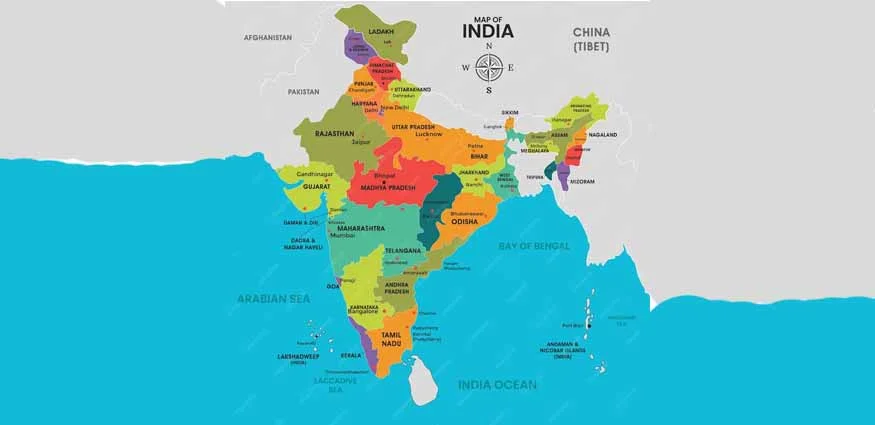
States Without an IIT
The following states currently do not have an IIT:
- Arunachal Pradesh
- Goa
- Haryana
- Meghalaya
- Mizoram
- Nagaland
- Sikkim
- Tripura
Factors Influencing IIT Distribution
The distribution of IITs across India has been influenced by various factors, including historical decisions, political considerations, and regional demands. For instance, some states with significant political influence or those that have actively lobbied for such institutions have been successful in establishing IITs. Conversely, states with less political clout or those that did not prioritize such demands have been left without an IIT.
Government’s Stance on Establishing New IITs
The central government has periodically reviewed the establishment of new IITs. However, as of July 2023, the Ministry of Education stated that there were no immediate plans to set up additional IITs in the remaining states. The focus has been on enhancing the quality and global rankings of the existing IITs rather than expanding their numbers. This approach aims to consolidate resources and improve the infrastructure and faculty of current institutions to meet international standards.
Alternative Technical Institutions in Non-IIT States
While these states lack IITs, many host other reputable technical and engineering institutions. For example, states like Haryana and Goa have National Institutes of Technology (NITs) and Indian Institutes of Information Technology (IIITs), which offer quality education in engineering and technology. These institutions serve as viable alternatives for students seeking technical education within their home states.
Conclusion
The absence of an IIT in certain states highlights the complexities and challenges in the equitable distribution of premier educational institutions across India. While establishing an IIT in every state remains a debated topic, the government’s current emphasis is on strengthening existing institutions. Meanwhile, students from states without IITs can access quality technical education through other esteemed institutions like NITs and IIITs.

Why This News Is Important
Impact on Educational Aspirants
The distribution of IITs significantly influences the choices and opportunities available to engineering aspirants across India. Students from states without IITs often face challenges such as relocation, increased competition for limited seats in other states, and financial burdens associated with studying away from home. Understanding the geographical spread of these institutions helps aspirants make informed decisions about their education and career paths.
Policy Implications
The government’s decision to halt the expansion of new IITs and focus on improving existing ones has broader policy implications. This approach suggests a shift towards enhancing quality over quantity in higher education. Policymakers and educational planners must consider how to balance the need for accessible quality education with resource constraints. This strategy also raises questions about regional equity in educational opportunities and the role of state governments in establishing and promoting technical institutions.
Historical Context
Evolution of IITs in India
The Indian Institutes of Technology were established to develop a skilled workforce in engineering and technology to support India’s post-independence industrialization. The first IIT was founded in Kharagpur in 1951, followed by institutes in Bombay (now Mumbai), Madras (now Chennai), Kanpur, and Delhi. Over the decades, additional IITs were established to cater to the growing demand for technical education. The selection of locations for these institutes has often been influenced by political, economic, and social factors, leading to the current distribution where some states host multiple IITs while others have none.
Key Takeaways from the Distribution of IITs in India
| S.No. | Key Takeaway |
|---|---|
| 1 | Eight Indian states currently do not have an IIT. |
| 2 | The central government, as of July 2023, has no plans to establish new IITs in these states. |
| 3 | Factors such as political influence and regional lobbying have historically influenced IIT distribution. |
| 4 | The government’s current focus is on enhancing the quality of existing IITs rather than expanding their number. |
| 5 | Alternative institutions like NITs and IIITs provide quality technical education in states without IITs. |
Important FAQs for Students from this News
Q1: Why don’t all Indian states have an IIT?
The establishment of IITs has been influenced by historical, political, and economic factors. Decisions regarding their locations were based on various considerations, including regional demands, political influence, and the availability of resources. As a result, not all states were selected to host an IIT.
Q2: Are there plans to set up new IITs in the remaining states?
As of July 2023, the central government has stated that there are no immediate plans to establish new IITs in the remaining states. The current focus is on improving the quality and global rankings of the existing IITs.
Q3: What alternatives do students in states without IITs have?
Students in states without IITs can pursue quality technical education at other reputable institutions such as National Institutes of Technology (NITs), Indian Institutes of Information Technology (IIITs), and state engineering colleges. These institutions offer robust programs in engineering and technology.
Q4: How does the absence of an IIT in a state affect local students?
The absence of an IIT in a state may require students to relocate to other states for education, increasing their financial burden. Additionally, it may limit opportunities for local students who might prefer to study closer to home due to personal or economic reasons.
Q5: Which states have more than one IIT?
Several states, such as Uttar Pradesh (IIT Kanpur, IIT BHU), Maharashtra (IIT Bombay, IIT Nagpur), and West Bengal (IIT Kharagpur, IIT Dhanbad), host multiple IITs due to historical and educational policy decisions.
Some Important Current Affairs Links

