
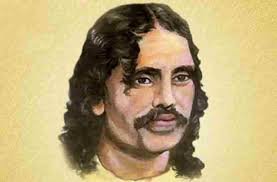
Father of Modern Hindi Literature: Contributions of Bharatendu Harishchandra
Bharatendu Harishchandra, born on September 9, 1850, in Benares (now Varanasi), is widely recognized as the “Father of Modern Hindi Literature.” His multifaceted contributions as a poet, writer, and playwright were instrumental in shaping modern Hindi literature and theatre. Writing under the pseudonym “Rasa,” Harishchandra’s works delved into pressing social issues, reflecting the socio-political landscape of 19th-century India.
Early Life and Literary Pursuits
Born into a prosperous family, Harishchandra was exposed to literature and culture from a young age. The untimely demise of his parents during his childhood did not deter his literary enthusiasm. At 15, a pivotal journey to the Jagannath Temple profoundly influenced him, igniting a passion to translate and adapt social, historical, and Puranic texts into Hindi. This endeavor aimed to make such literature accessible to the broader Hindi-speaking populace.
Advocacy for Hindi and Social Reform
Harishchandra was a staunch advocate for the Hindi language during an era when Urdu and Persian dominated official and literary spheres. He championed the cause of Hindi, emphasizing its potential as a unifying medium for Indians. Beyond linguistic advocacy, his writings addressed societal maladies such as poverty, exploitation under British colonial rule, and the imperative for social progress. He fervently opposed orthodox conventions and the manipulative practices of certain religious leaders, positioning himself as a progressive voice for change.
Editorial Ventures and Legacy
Demonstrating his commitment to literature and social discourse, Harishchandra edited and published several magazines, including ‘Kavi Vachan Sudha,’ ‘Harishchandra Magazine,’ and ‘Bala Bodhini.’ These platforms provided a voice to contemporary issues and nurtured budding writers. In 1880, in recognition of his unparalleled contributions, scholars in Kashi honored him with the title “Bharatendu,” meaning “Moon of India.” His legacy persists, with the Indian government’s Ministry of Information and Broadcasting instituting the Bharatendu Harishchandra Awards in 1983, celebrating excellence in Hindi literature and mass communication.

Why This News is Important
Understanding Bharatendu Harishchandra’s contributions offers invaluable insights into the evolution of modern Hindi literature and theatre. For aspirants of government examinations, especially those focusing on languages, literature, and cultural studies, comprehending his role provides a nuanced perspective on India’s linguistic heritage. His efforts in promoting Hindi as a national language underscore the historical context of linguistic policies in India, a topic of relevance in various competitive exams.
Moreover, Harishchandra’s emphasis on social reform through literature exemplifies the power of the written word in driving societal change. His life and works serve as a testament to how literature can mirror societal issues and inspire collective action, a theme pertinent to examinations assessing knowledge of social movements and cultural renaissance in India.
Historical Context
The 19th century in India was marked by a cultural and intellectual renaissance, often termed the Indian Renaissance. This period witnessed a resurgence of arts, literature, and a reawakening of social consciousness, largely as a response to colonial subjugation. Amidst this backdrop, Bharatendu Harishchandra emerged as a pioneering figure who recognized the transformative potential of literature. By advocating for the Hindi language and addressing contemporary societal issues through his writings, he played a pivotal role in the cultural revival that sought to redefine Indian identity and heritage during colonial rule.
Key Takeaways from Bharatendu Harishchandra’s Legacy
| S.No. | Key Takeaway |
|---|---|
| 1 | Recognized as the “Father of Modern Hindi Literature” for his seminal contributions. |
| 2 | Advocated for the promotion and adoption of Hindi during a period dominated by Urdu and Persian. |
| 3 | Utilized literature as a medium to address and critique societal issues and colonial exploitation. |
| 4 | Edited influential magazines, fostering literary discourse and nurturing emerging writers. |
| 5 | Honored with the title “Bharatendu” in 1880, symbolizing his status as the “Moon of India.” |
Important FAQs for Students from this News
Who conferred the title “Bharatendu” upon Harishchandra?
In 1880, scholars from Kashi (Varanasi) bestowed upon him the title “Bharatendu,” meaning “Moon of India,” in recognition of his significant contributions to Hindi literature and theatre.
What were some of the magazines edited by Bharatendu Harishchandra?
He edited and published several magazines, notably ‘Kavi Vachan Sudha,’ ‘Harishchandra Magazine,’ and ‘Bala Bodhini,’ which served as platforms for literary and social discourse.
How did Harishchandra contribute to social reforms through his writings?
His literary works addressed pressing societal issues such as poverty, colonial exploitation, and the need for social progress, challenging orthodox conventions and advocating for change.
What is the significance of the Bharatendu Harishchandra Awards?
Established in 1983 by the Ministry of Information and Broadcasting, these awards honor excellence in Hindi literature and mass communication, perpetuating Harishchandra’s legacy.
Why is Bharatendu Harishchandra’s work relevant for government exam aspirants?
His contributions provide critical insights into the development of modern Hindi literature, linguistic advocacy, and social reforms—topics pertinent to various competitive examinations in India.
Some Important Current Affairs Links

