

Understanding India’s Fiscal Deficit: A Crucial Aspect for Government Job Aspirants
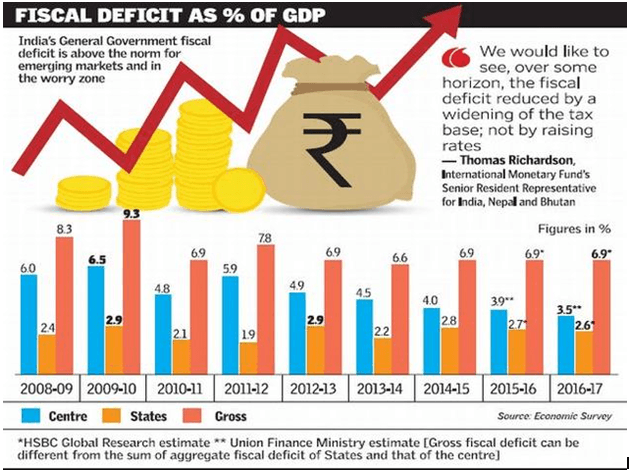
The fiscal deficit of a country is an essential economic indicator that plays a pivotal role in policymaking and financial planning. As aspirants for various government positions, including teachers, police officers, banking, railways, defense, and civil services like PSCS to IAS, it’s imperative to stay informed about the latest developments in the country’s fiscal health. In this article, we delve into the recent news regarding India’s fiscal deficit and why it is crucial for government exam preparation.
Why this News is Important:
Challenges Amid Economic Recovery
The COVID-19 pandemic has had a profound impact on India’s economy. The government’s efforts to revive it while simultaneously managing fiscal responsibility present a significant challenge. Understanding the fiscal deficit is key to comprehending how the government balances growth and stability.
Impact on Government Expenditure
Fiscal deficit affects the government’s capacity to spend on crucial sectors such as education, healthcare, and infrastructure. Aspirants aiming for government positions must grasp how fiscal deficits can influence the allocation of resources.
Historical Context:
India has been grappling with fiscal deficits for several years. The COVID-19 pandemic further exacerbated the situation, with increased healthcare spending and reduced revenues due to lockdowns. As government job aspirants, it’s vital to know how India’s fiscal management has evolved over the years and how it impacts the current scenario.
Key Takeaways from this News:
| Serial Number | Key Takeaway |
|---|---|
| 1 | India’s fiscal deficit for April-July FY24 stands at 33.9% of the year’s target, indicating a significant gap in revenue and expenditure. |
| 2 | The government needs to strike a delicate balance between boosting economic growth and controlling the fiscal deficit to ensure long-term sustainability. |
| 3 | A high fiscal deficit could lead to increased borrowing, which, in turn, may affect interest rates and the cost of loans for individuals and businesses. |
| 4 | Government job aspirants should keep an eye on fiscal deficit-related developments as it is a common topic in competitive exams and interviews. |
| 5 | India’s fiscal management policies are integral to its economic growth, making it a subject of utmost importance for future civil servants. |
Important FAQs for Students from this News
What is fiscal deficit, and why is it important for government job aspirants?
Fiscal deficit is the difference between a government’s total revenue and its total expenditure. It’s important for aspirants because it affects government policies, resource allocation, and economic stability.
How does a high fiscal deficit impact the economy and individuals?
A high fiscal deficit can lead to inflation, increased borrowing, and potentially higher interest rates, affecting both the economy and individuals’ financial well-being.
What is the historical context of India’s fiscal deficit, and how has it evolved over the years?
Understanding the historical context helps aspirants grasp the challenges India has faced in managing its fiscal deficit and the impact on its economy.
Why should government job aspirants keep an eye on fiscal deficit-related developments?
Being aware of fiscal deficit-related news is crucial because it often appears as a topic in competitive exams and interviews for government positions.
How can knowledge of India’s fiscal management policies benefit future civil servants?
Understanding fiscal management is integral to making informed decisions and policies as civil servants, and it’s a key aspect of their roles.
Some Important Current Affairs Links

