
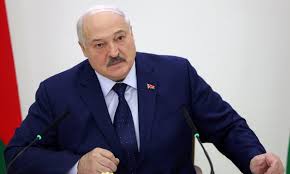
Lukashenko Wins Seventh Term in Controversial Belarus Election
Overview of the Election Results
In a highly controversial election, Belarusian President Alexander Lukashenko secured a seventh term in office, winning a disputed election that has drawn widespread international criticism. The presidential election, held in August 2020, has been marred by allegations of voter fraud, suppression of opposition candidates, and a crackdown on peaceful protests. Despite claims of electoral fraud and widespread unrest, Lukashenko, who has ruled Belarus since 1994, claimed victory with over 80% of the vote, a result that many observers consider to be highly questionable.
The Controversy and Protests
The election results sparked mass protests across Belarus, with thousands of citizens taking to the streets to demand fair elections and the resignation of Lukashenko. The protests were met with a heavy-handed response from the government, with security forces using violence to disperse crowds, arresting opposition leaders, and blocking media coverage. Despite these measures, the opposition continued to rally for democratic reforms and an end to Lukashenko’s long-standing rule.
International Reaction
The international community, including the European Union and the United States, expressed concerns about the integrity of the election and the subsequent crackdown on peaceful protests. Several countries imposed sanctions on Belarus, and some refused to recognize Lukashenko’s legitimacy as president. The ongoing unrest and political instability in Belarus have raised questions about the country’s future direction and its relationship with the West, especially considering Belarus’s close ties to Russia.

Why This News Is Important
Impact on Belarusian Democracy
The election and its aftermath are crucial for understanding the political landscape in Belarus. Lukashenko’s long tenure has been characterized by authoritarian rule, with limited political freedom and a repressive approach to dissent. The contested election results and the violent crackdown on protests underline the struggles for democracy and human rights in the country. The situation also brings attention to the broader challenges faced by post-Soviet nations in transitioning to more democratic governance.
Global Implications for International Relations
The international response to the election highlights the geopolitical ramifications of Belarus’s political crisis. The EU, the US, and other global actors have expressed their disapproval of the election’s fairness, leading to strained relations between Belarus and the West. Meanwhile, Belarus’s ties with Russia remain strong, with Russia providing diplomatic and economic support to Lukashenko’s regime. This dynamic has implications for regional stability and the ongoing tug-of-war between Russia and the West over influence in Eastern Europe.
Significance for Future Elections in Belarus
The controversy surrounding this election sets the stage for future political developments in Belarus. With opposition leaders jailed and many citizens disillusioned with the electoral process, it is unclear how the political situation will evolve. The protests could lead to further unrest, or they might result in increased repression. For students preparing for exams on international relations and political science, this is a key case study in authoritarian regimes, electoral integrity, and the role of civil society in demanding political change.
Historical Context
Background of Belarusian Politics
Belarus, once part of the Soviet Union, has been under the rule of Alexander Lukashenko since 1994. He has positioned himself as a leader who has maintained stability in the country while opposing Western-style liberal reforms. However, his administration has been criticized for curbing political freedoms, stifling opposition, and restricting media freedom. Lukashenko’s long rule and his resistance to democratic change have led to increasing dissatisfaction among the Belarusian population, especially in recent years.
2010 Election and Protests
The 2010 Belarusian presidential election also saw mass protests after Lukashenko’s victory was perceived as fraudulent. Security forces responded with a violent crackdown, and many opposition leaders were imprisoned. These events set the stage for the 2020 election, where discontent had reached new heights, partly due to economic hardships and rising public awareness of political repression.
Russian Influence on Belarus
Historically, Belarus has been closely aligned with Russia, both politically and economically. Russia has been a strong ally of Lukashenko, providing critical economic support, including subsidies on energy and trade. However, Belarus’s dependence on Russia has also led to tensions, especially when Lukashenko has occasionally pursued policies that diverge from Moscow’s interests. The political crisis in Belarus further complicates this relationship, with Russia’s support of Lukashenko being both a stabilizing force for his regime and a point of contention with Western powers.
5 Key Takeaways from “Lukashenko Wins Seventh Term in Controversial Belarus Election”
| Serial Number | Key Takeaway |
|---|---|
| 1 | Belarusian President Alexander Lukashenko won a disputed seventh term in office with over 80% of the vote, despite allegations of election fraud. |
| 2 | The election results sparked widespread protests across Belarus, with citizens demanding free and fair elections and the resignation of Lukashenko. |
| 3 | The Belarusian government responded to protests with violent repression, including arrests of opposition leaders and restrictions on media coverage. |
| 4 | International organizations, including the EU and the US, have criticized the election and imposed sanctions on Belarus, questioning Lukashenko’s legitimacy. |
| 5 | The political crisis in Belarus highlights ongoing struggles for democracy, human rights, and governance in post-Soviet states, particularly in relation to Russia. |
Important FAQs for Students from this News
1. What was the controversy surrounding the 2020 Belarusian election?
The controversy stemmed from the claim that Alexander Lukashenko’s victory was the result of election fraud. Despite allegations of rigging the vote and widespread protests demanding fair elections, Lukashenko declared that he won with over 80% of the vote. The international community, including the EU and the US, did not recognize his win due to concerns over the legitimacy of the election process.
2. How did the Belarusian government respond to the protests?
In response to the mass protests, the Belarusian government resorted to a violent crackdown. Security forces detained opposition leaders, used excessive force against protesters, and suppressed media coverage. This harsh response led to increased international condemnation and sanctions from Western countries.
3. Why is Belarus’s relationship with Russia important in the context of this election?
Belarus and Russia share strong political and economic ties, and Russia has been a major supporter of Lukashenko’s regime. While Lukashenko’s government is under scrutiny from the West, it continues to rely on Russia for economic support and political backing, which significantly affects the geopolitical dynamics in Eastern Europe.
4. What are the implications of this election for Belarusian democracy?
The controversial election and subsequent crackdown on protests underscore the challenges faced by Belarus in establishing a functioning democracy. The ongoing authoritarian rule of Lukashenko, combined with limited political freedoms and a suppressed opposition, raises concerns about the future of democratic development in the country.
5. What role does the international community play in Belarus’s political crisis?
The international community, particularly the EU and the US, has expressed strong disapproval of the election results and the human rights abuses during the protests. Western sanctions have been imposed on Belarusian officials, and many countries have refused to recognize Lukashenko’s legitimacy. These actions reflect broader concerns over the state of democracy and governance in Belarus.
Some Important Current Affairs Links

