
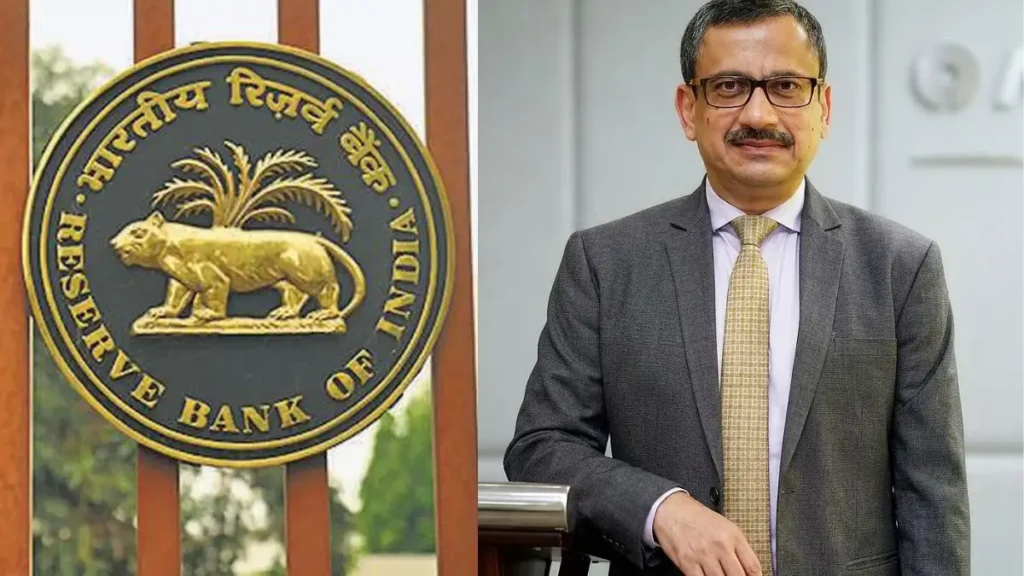
RBI Deputy Governor Appointment 2026: Rohit Jain has been appointed as the Deputy Governor of the Reserve Bank of India for a three-year term. Check key details, responsibilities, FAQs, and MCQs for exam preparation.
Rohit Jain Takes Charge as Deputy Governor of Reserve Bank of India
🏦 Appointment of Rohit Jain as RBI Deputy Governor
The Government of India has officially appointed Rohit Jain as the Deputy Governor of the Reserve Bank of India (RBI) for a tenure of three years, beginning May 3, 2026. He replaces outgoing Deputy Governor T. Rabi Sankar, marking an important leadership transition in India’s central banking system.
Rohit Jain, who previously served as an Executive Director at the RBI, has been elevated to one of the most important positions in India’s monetary authority. His appointment has been approved by the Appointments Committee of the Cabinet (ACC) after a structured selection process involving senior RBI officials.
🏛️ Career Background of Rohit Jain
Rohit Jain is a seasoned central banker with nearly three decades of experience in areas such as bank supervision, financial regulation, risk management, and human resources. Before becoming Deputy Governor, he handled critical responsibilities in the RBI’s supervisory framework.
As an Executive Director, he was closely associated with departments dealing with financial stability and banking regulation, making him well-suited for his new role.
📊 Key Responsibilities as Deputy Governor
After assuming office, Rohit Jain has been assigned major portfolios within the RBI. These include:
- Information Technology and Fintech regulation
- Foreign Exchange Management
- Financial Markets Regulation
- Government and Bank Accounts
- Risk Monitoring and Internal Debt Management
His role is crucial in ensuring financial stability, digital transformation of banking, and regulation of India’s evolving financial ecosystem.
🏦 RBI Leadership Structure Update
The RBI currently functions with four Deputy Governors, each handling different domains such as:
- Monetary Policy
- Banking Supervision
- Financial Markets
- Regulation and Technology
With Rohit Jain’s entry, the RBI leadership team has been reshuffled to distribute responsibilities efficiently, strengthening governance and policy execution.
📈 Significance of the Appointment
This appointment comes at a time when the RBI is focusing on:
- Strengthening digital banking systems
- Managing global economic uncertainties
- Enhancing financial regulation
- Ensuring cybersecurity in banking operations
Rohit Jain’s expertise is expected to support India’s financial system in adapting to new-age banking challenges and fintech innovation.

🎯 Why This News is Important
📌 Strengthening RBI Governance
The appointment of a new Deputy Governor is significant because it directly impacts India’s monetary policy framework, banking regulation, and financial stability. The RBI plays a key role in controlling inflation, managing liquidity, and ensuring economic growth. Leadership changes at this level often influence policy direction.
📌 Important for Competitive Exams
This news is highly relevant for exams such as UPSC, SSC, Banking (IBPS, SBI PO), Railways, and State PSCs, as questions are frequently asked about:
- RBI leadership structure
- Current appointments
- Functions of Deputy Governors
- Economic policy changes
📌 Digital Banking and Financial Reforms
Rohit Jain’s portfolio includes fintech and IT regulation, which highlights RBI’s focus on digital banking expansion, cybersecurity, and financial modernization.
📌 Economic Stability Context
At a time of global economic uncertainty, RBI’s leadership decisions play a crucial role in maintaining currency stability, inflation control, and banking sector resilience.
📚 Historical Context
The Reserve Bank of India (RBI) was established in 1935 under the RBI Act, 1934, to regulate India’s monetary system and banking structure. Initially privately owned, it was nationalized in 1949.
The RBI is headed by a Governor, supported by four Deputy Governors, each responsible for different departments such as monetary policy, banking supervision, regulation, and financial markets.
Over time, RBI leadership appointments have played a key role in shaping India’s economic policies, especially during major reforms such as:
- Liberalization (1991)
- Digital banking expansion (post-2010)
- Inflation targeting framework (2016 onwards)
Deputy Governors are usually senior RBI officials or experienced economists/bankers appointed by the Government of India.
📊 Key Takeaways from Rohit Jain Takes Charge as RBI Deputy Governor 2026
| S.No | Key Takeaway |
|---|---|
| 1 | Rohit Jain appointed as RBI Deputy Governor for a 3-year term starting May 3, 2026 |
| 2 | He succeeds T. Rabi Sankar after completion of his tenure |
| 3 | Previously served as Executive Director at RBI with experience in supervision and regulation |
| 4 | Assigned key portfolios including IT, fintech, forex, and financial markets regulation |
| 5 | His appointment strengthens RBI’s focus on digital banking and financial stability |
FAQs – Important Questions for Exams
❓ 1. Who has been appointed as the Deputy Governor of RBI in 2026?
Rohit Jain has been appointed as the Deputy Governor of the Reserve Bank of India for a tenure of three years starting May 3, 2026.
❓ 2. What is the role of a Deputy Governor in RBI?
A Deputy Governor assists the RBI Governor in policy formulation, banking regulation, financial stability, currency management, and supervision of key departments like fintech and monetary policy.
❓ 3. Who appoints the Deputy Governor of RBI?
The Deputy Governor of RBI is appointed by the Appointments Committee of the Cabinet (ACC), Government of India.
❓ 4. How many Deputy Governors are there in RBI?
The Reserve Bank of India generally has four Deputy Governors, each handling different domains such as banking supervision, financial markets, monetary policy, and regulation.
❓ 5. Why is this appointment important for banking exams?
It is important because questions related to RBI leadership, appointments, and financial governance are frequently asked in IBPS, SBI PO, RBI Grade B, SSC, UPSC, and State PSC exams.
Some Important Current Affairs Links

