
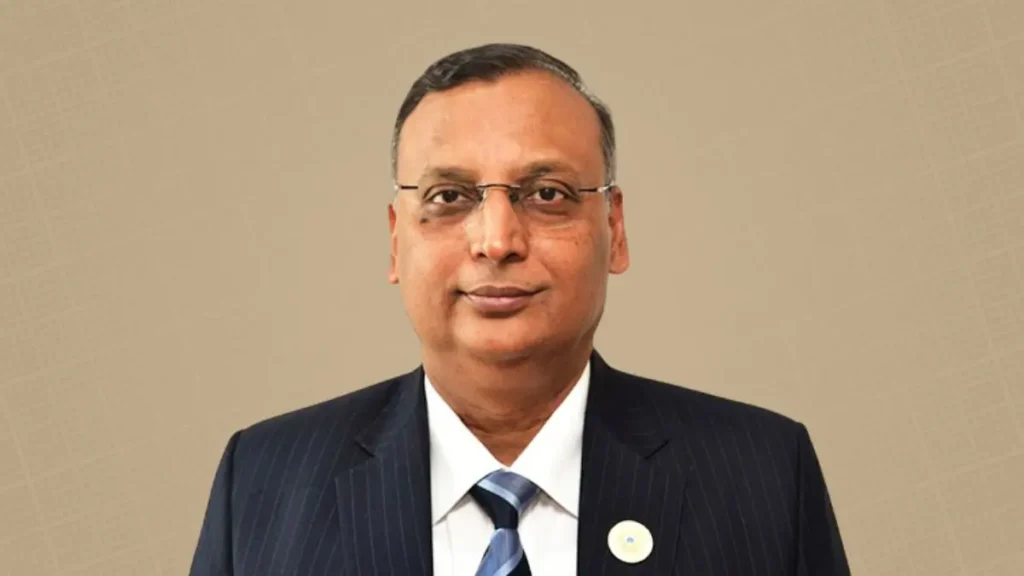
Ravi Ranjan SBI Managing Director Appointment. Learn about his leadership priorities, experience, and significance for banking and government exam current affairs 2025.
Ravi Ranjan Assumes Charge as SBI’s New Managing Director
Introduction: Leadership Transition at SBI
Ravi Ranjan has officially taken charge as the new Managing Director (MD) of the State Bank of India (SBI), one of the country’s largest public sector banks. This leadership change marks a significant development in the banking sector, highlighting SBI’s continuous efforts to strengthen its top management and reinforce strategic banking initiatives. Ranjan’s appointment reflects the bank’s emphasis on experienced leadership to navigate evolving financial landscapes.
Professional Background of Ravi Ranjan
Ravi Ranjan has had a distinguished career in banking spanning several decades. Before his appointment as MD, he served in various senior roles within SBI, gaining expertise in retail banking, corporate banking, and risk management. His vast experience equips him to lead SBI’s operations effectively, focusing on improving customer service, implementing technological innovations, and ensuring financial stability.
Strategic Goals under New Leadership
With Ravi Ranjan at the helm, SBI aims to consolidate its position as a market leader. His leadership is expected to drive initiatives such as digital banking expansion, enhancement of financial inclusion, and diversification of the bank’s loan portfolio. Strengthening non-performing asset (NPA) management and promoting sustainable banking practices are also anticipated priorities.
Significance for the Indian Banking Sector
SBI, being India’s largest bank by assets and customer base, plays a crucial role in the country’s financial ecosystem. Leadership changes at this level have a direct impact on banking policies, credit flow, and financial sector stability. Ravi Ranjan’s appointment is viewed positively by industry experts, who expect the bank to continue its growth trajectory and support government-led economic initiatives.
Future Outlook
Ravi Ranjan’s tenure as MD is expected to focus on driving profitability while expanding SBI’s reach in both urban and rural regions. Emphasis on technology-driven banking solutions, financial literacy programs, and customer-centric strategies are likely to define his leadership approach. Stakeholders, including investors, employees, and customers, will closely monitor the strategic decisions made under his guidance.

Why This News is Important
Impact on Government Exam Aspirants
For students preparing for government exams like banking, UPSC, and SSC, leadership changes in major banks are important current affairs topics. Knowledge about Ravi Ranjan’s appointment provides insight into India’s banking sector management, policies, and reforms, which are often asked in exams under banking awareness, current affairs, and general knowledge sections.
Broader Economic Significance
SBI is integral to India’s economy, managing vast deposits and loans, and supporting government schemes such as PMJDY and MUDRA loans. Leadership transitions influence strategic decisions in credit allocation, risk management, and policy implementation. Awareness of such changes helps aspirants understand macroeconomic stability and financial governance in India.
Historical Context
SBI’s Legacy and Leadership Evolution
Founded in 1955, the State Bank of India has grown to become the country’s largest bank, with a network of over 24,000 branches and millions of customers. SBI has historically appointed leaders with deep banking experience to ensure robust management. Over the decades, previous MDs have spearheaded initiatives such as digital banking transformation, financial inclusion programs, and international expansion, shaping SBI as a cornerstone of India’s financial system.
Previous Managing Directors and Their Contributions
Earlier MDs of SBI have played key roles in reducing NPAs, enhancing technology adoption, and implementing government welfare schemes. Ravi Ranjan’s appointment continues this tradition of leadership continuity, aimed at addressing current challenges like credit growth, risk management, and digital innovation in banking.
Key Takeaways from “Ravi Ranjan Takes Charge as SBI’s New Managing Director”
| S.No | Key Takeaway |
|---|---|
| 1 | Ravi Ranjan has been appointed as the new Managing Director of SBI. |
| 2 | He has extensive experience in retail, corporate banking, and risk management. |
| 3 | His leadership will focus on digital banking, financial inclusion, and NPA management. |
| 4 | SBI’s leadership transition directly impacts India’s banking sector and economic stability. |
| 5 | Knowledge of this appointment is important for banking and government exam current affairs. |
FAQs: Frequently Asked Questions
Q1: Who is the new Managing Director of SBI?
A: Ravi Ranjan has taken charge as the new Managing Director of the State Bank of India (SBI).
Q2: What experience does Ravi Ranjan bring to SBI?
A: He has extensive experience in retail banking, corporate banking, and risk management within SBI.
Q3: What are the key priorities under Ravi Ranjan’s leadership?
A: His focus includes digital banking expansion, financial inclusion, NPA management, and sustainable banking practices.
Q4: Why is this news important for government exam aspirants?
A: It is relevant for banking awareness, current affairs, and general knowledge sections in exams like IBPS, SBI PO, UPSC, and SSC.
Q5: How does SBI’s leadership affect India’s economy?
A: As India’s largest bank, SBI’s leadership influences credit flow, financial stability, government schemes implementation, and the overall banking sector.
Q6: What is the historical significance of leadership changes in SBI?
A: SBI has a legacy of appointing experienced leaders who drive initiatives like digital transformation, financial inclusion, and international expansion.
Q7: Which government schemes are managed by SBI under leadership guidance?
A: Schemes like Pradhan Mantri Jan Dhan Yojana (PMJDY), MUDRA loans, and various social welfare financial programs.
Some Important Current Affairs Links

