
Iran Oman Strait of Hormuz agreement: Know the key facts, strategic importance, energy security impact, geography and exam-relevant details for UPSC, PCS, SSC, Banking, Railways and Defence exams.
Iran and Oman Make Progress on Strait of Hormuz Shipping Route
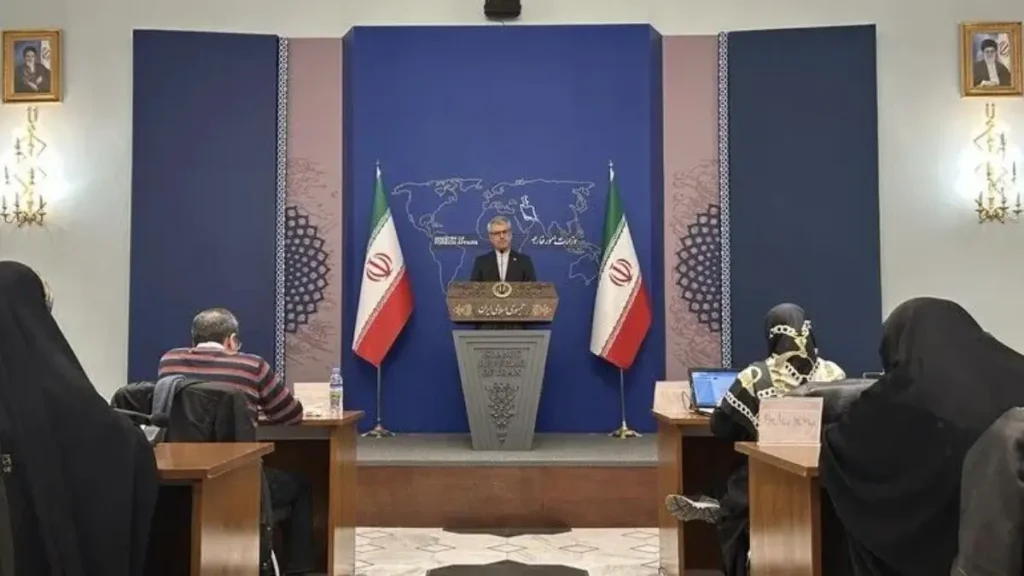
Iran and Oman have reached an understanding on the geographic coordinates of a shipping route through the strategically important Strait of Hormuz. The development is significant because the waterway is a major gateway for international energy trade and has faced severe disruptions amid escalating tensions in the Middle East. Iran’s Foreign Ministry said negotiations with Oman had been constructive and that a joint announcement was being prepared.
Proposed Route Could Support Commercial Shipping
The discussions between Tehran and Muscat focus on creating a designated route that can allow commercial vessels to move through the Strait of Hormuz. Earlier proposals involved establishing a temporary corridor for shipping, with the route intended to reduce uncertainty for vessels navigating the strategically sensitive waterway.
Strait of Hormuz Is a Global Energy Chokepoint
The Strait of Hormuz connects the Persian Gulf with the Gulf of Oman and the Arabian Sea, making it one of the world’s most important maritime chokepoints. Large quantities of crude oil, petroleum products and liquefied natural gas normally pass through the region. Consequently, any prolonged disruption can affect energy prices, shipping costs, insurance premiums and global economic activity.
Agreement Comes Amid Major Shipping Disruptions
The proposed arrangement comes at a time when commercial shipping through the Strait has fallen dramatically. Reuters reported that only a handful of vessels were recorded passing through the waterway in recent days, compared with more than 130 vessels per day before the 2026 conflict. The decline has increased concerns about energy security and the stability of international maritime trade.
Iran and Oman Have Different Strategic Interests
Although Iran and Oman have made progress, important issues surrounding implementation and maritime control remain significant. Reports indicate that Iran has sought greater control over navigation, while Oman has promoted arrangements that would facilitate safe commercial passage. The two countries therefore have to balance maritime security, sovereignty concerns and the need to keep international trade moving.
Oman’s Role as a Diplomatic Mediator
Oman has traditionally maintained diplomatic channels with different regional and international actors and has frequently played a mediation role in Middle Eastern affairs. Its involvement in discussions over the Strait of Hormuz is therefore important because Muscat can act as a communication bridge between Iran and other parties involved in the regional crisis.
Impact on Global Oil and Gas Markets
The Strait of Hormuz is particularly important for global energy markets. Reduced vessel movement through the waterway has contributed to concerns about oil and gas supply disruptions. Recent reports have also linked tensions around the strait with movements in crude oil prices and increased market uncertainty.
Importance for India and Other Asian Economies
India and other major Asian energy-importing economies closely monitor developments around the Strait of Hormuz because disruptions can affect crude oil supplies, freight rates and transportation costs. A more predictable commercial shipping route could therefore reduce some of the uncertainty affecting international energy trade, although the broader security situation remains crucial.
Agreement Is Still Subject to Finalisation
The development should be understood carefully for examination purposes. Iran and Oman reached an understanding on the coordinates of a shipping route, but reports indicated that the broader arrangement was still undergoing review and drafting rather than representing an unconditional reopening of the waterway. On August 17, 2026, reports said Iran was still working with Oman to finalise an agreement for commercial maritime transit.
Why This Development Matters for Competitive Exams
The Iran-Oman Strait of Hormuz shipping route issue is relevant to Current Affairs, International Relations, Geography, Economics, Defence and Energy Security sections of government examinations. Aspirants should remember the location of the Strait, the countries bordering it, its connection with the Persian Gulf and Gulf of Oman, and its importance as a global energy chokepoint.
Why This News is Important
Importance for International Relations
The Iran-Oman shipping route understanding demonstrates the importance of regional diplomacy in resolving international maritime challenges. Oman’s participation is particularly noteworthy because it has historically maintained communication channels with Iran and other major powers. The development can therefore be studied under the broader theme of diplomatic mediation in West Asia.
Importance for Energy Security
The Strait of Hormuz is critical to the global energy system. Disruption in the waterway can create concerns about the movement of crude oil, petroleum products and LNG. For countries dependent on imported energy, including India, prolonged instability can influence import costs, inflation and economic growth.
Importance for India
India imports a substantial portion of its energy requirements and maintains important economic relationships with Gulf countries. Any sustained disruption in maritime energy routes can increase transportation and insurance costs and potentially affect domestic fuel prices. Therefore, developments surrounding the Strait of Hormuz are relevant to India’s energy security and foreign-policy calculations.
Importance for Geography and Defence Exams
For competitive examinations, the Strait of Hormuz provides an important example of a maritime chokepoint. Its strategic location between Iran and Oman and its connection between the Persian Gulf and the Gulf of Oman make it important for questions on world geography, international trade, maritime security and geopolitics.
Importance for the Global Economy
The sharp reduction in vessel traffic through the Strait has demonstrated how geopolitical tensions can quickly affect international markets. Recent reports showed shipping activity falling far below normal levels, highlighting the vulnerability of global supply chains to disruptions at strategic waterways.
Historical Context: Background of the Strait of Hormuz
Historical and Geographical Significance
The Strait of Hormuz is a narrow maritime passage connecting the Persian Gulf with the Gulf of Oman and the Arabian Sea. Because the Persian Gulf contains major oil and gas producing states, the strait has long been central to international energy transportation and regional geopolitics.
Iran and Oman’s Geographic Position
The Strait is bordered by Iran to the north and Oman to the south. Its maritime geography gives both countries strategic importance in discussions concerning navigation and security. The main traffic separation arrangements for vessels have historically involved routes in Omani territorial waters, while the wider waterway is associated with the territorial waters of both Iran and Oman.
Maritime Law and Navigation
The legal status of navigation through international straits has been an important issue in international maritime law. The United Nations Convention on the Law of the Sea provides a framework for transit passage through straits used for international navigation, although Iran’s position regarding certain provisions differs from that of countries that are parties to the convention.
Earlier Regional Tensions
The Strait of Hormuz has repeatedly become a focal point during periods of tension in the Middle East. Because so much energy trade passes through the waterway, threats to shipping can have consequences far beyond the region, affecting international oil prices, insurance markets and supply chains.
2026 Shipping Crisis
The current development follows a major decline in commercial traffic through the Strait during the 2026 regional conflict. Before the crisis, more than 130 vessels could pass through the waterway on a typical day, while recent traffic levels have fallen to only a few vessels on some days.
Recent Iran-Oman Negotiations
In late July and early August 2026, Iran and Oman exchanged proposals concerning management and commercial navigation through the Strait. By August 5, Iran announced that the two countries had reached an understanding on the geographic coordinates of a proposed shipping route. However, further discussions were required before the broader arrangement could be considered fully implemented.
Key Takeaways from Iran-Oman Strait of Hormuz Shipping Route Agreement
| S. No. | Key Takeaway |
|---|---|
| 1 | Countries involved: Iran and Oman reached an understanding on the geographic coordinates of a proposed shipping route through the Strait of Hormuz. |
| 2 | Strategic waterway: The Strait of Hormuz connects the Persian Gulf with the Gulf of Oman and the Arabian Sea. |
| 3 | Energy importance: The Strait is one of the world’s most important chokepoints for international oil and gas transportation. |
| 4 | Diplomatic significance: Oman is playing an important role in discussions aimed at facilitating commercial maritime passage amid regional tensions. |
| 5 | Exam relevance: The development is important for questions related to International Relations, World Geography, Energy Security, Defence and the Global Economy. |
FAQs: Iran-Oman Strait of Hormuz Shipping Route Agreement
1. Which two countries reached an understanding on a shipping route through the Strait of Hormuz?
Answer: Iran and Oman reached an understanding on the geographic coordinates of a proposed shipping route through the Strait of Hormuz.
2. What is the Strait of Hormuz?
Answer: The Strait of Hormuz is a strategically important maritime passage connecting the Persian Gulf with the Gulf of Oman and the Arabian Sea.
3. Why is the Strait of Hormuz important for the global economy?
Answer: It is a major route for the transportation of crude oil, petroleum products and liquefied natural gas (LNG) from the Persian Gulf region to international markets.
4. Which countries are located on either side of the Strait of Hormuz?
Answer: Iran lies to the north, while Oman lies to the south of the Strait.
5. What is a maritime chokepoint?
Answer: A maritime chokepoint is a narrow and strategically important sea passage through which a large volume of international shipping must pass. The Strait of Hormuz is one of the world’s most important maritime chokepoints.
6. What was the main subject of the Iran-Oman discussions?
Answer: The discussions focused on the geographic coordinates and arrangements for a shipping route that could facilitate commercial maritime movement through the Strait of Hormuz.
7. Why is Oman significant in the Strait of Hormuz issue?
Answer: Oman has a strategically important geographical position near the Strait and has also maintained diplomatic channels with Iran and other regional and international actors.
8. How can disruption in the Strait of Hormuz affect India?
Answer: Disruption can affect India’s crude oil imports, shipping costs, insurance premiums, energy security and inflation, making the Strait important for India’s economic and strategic interests.
9. Which subjects of competitive examinations are linked to this news?
Answer: This topic is relevant to Current Affairs, International Relations, World Geography, Defence, Energy Security, Economics and Indian Foreign Policy.
10. Which water bodies are connected by the Strait of Hormuz?
Answer: The Strait connects the Persian Gulf with the Gulf of Oman, which opens into the Arabian Sea.
Some Important Current Affairs Links

