Currently Empty: ₹0

New Covid Variant Nimbus: Symptoms, WHO Status, Vaccine Effectiveness
0 Comments
New Covid variant Nimbus (NB.1.8.1), classified by WHO as a Variant Under Monitoring, shows unique symptoms like razor blade throat and spreads rapidly. Learn its symptoms, impact, and vaccine effectiveness for exam preparation.
🧬 Nimbus – The New COVID Variant Making Headlines
What Is the “Nimbus” Variant?
Scientists have identified a new sub-variant of Omicron, officially named NB.1.8.1, and colloquially called Nimbus. First detected in January 2025, it spread rapidly across continents—Asia, the Americas, Europe—making up about 10–11% of global sequenced cases by mid-May The World Health Organization (WHO) classifies Nimbus as a “Variant Under Monitoring (VUM)” as of May 23
Why Is Nimbus Spreading So Fast?
Nimbus carries multiple mutations in its spike protein and other critical regions—through a process called recombination, where Omicron lineages mix genetic material. It has about 7 new mutations in spike and 20+ elsewhere, significantly boosting its cell-binding strength and infectivity in lab tests
Symptoms That Get Your Attention
What’s grabbing attention is the “razor blade throat”—a severe, glass-like sore throat, often accompanied by hoarseness and gastrointestinal issues like nausea, diarrhea, and bloating Otherwise, Nimbus presents familiar COVID symptoms: fever, congestion, fatigue, cough, body aches, and occasional loss of taste or smell .
Severity: Mild, Yet Watchful
Current data show no increase in severity—hospitalizations and deaths stay low WHO and CDC deem global risk low, but caution that its high transmissibility could impact vulnerable groups
Vaccine and Treatment Outlook
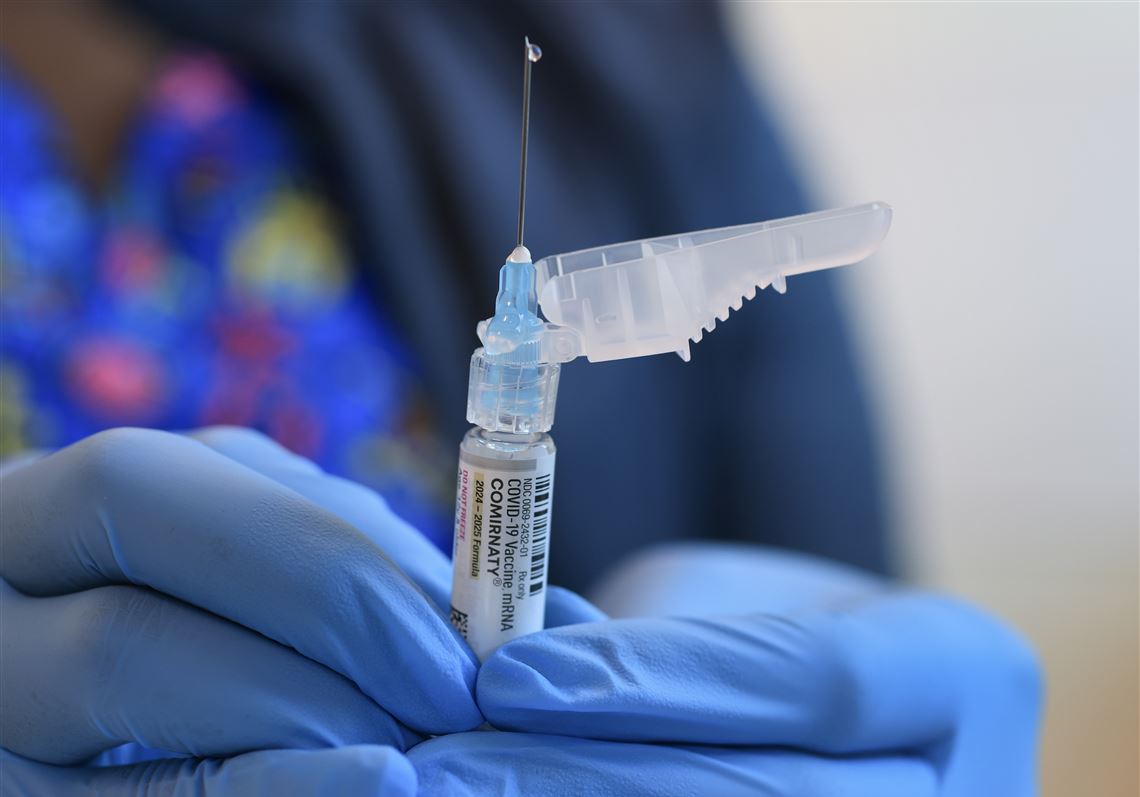
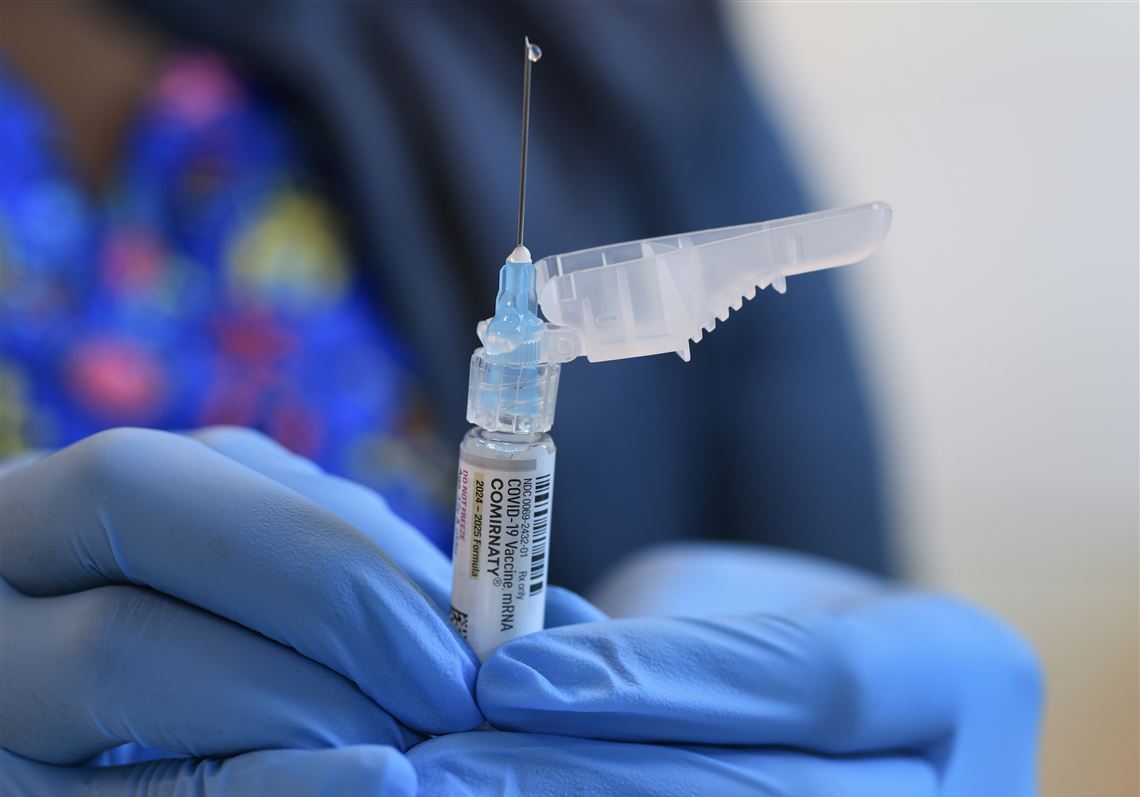
Fortunately, existing 2024–25 COVID vaccines, including updated boosters, continue protecting against severe disease . Likewise, antiviral treatments like Paxlovid remain effective .
🔍 Why This News Matters
Nimbus is significant for exam aspirants aiming for government posts (teachers, police, banks, railways, defense, civil services like PCS to IAS):
- Evolving Pandemic Landscape – COVID continues to mutate; awareness of emerging variants reflects grasp of public health trends.
- Global Health Policies – WHO’s Variant Under Monitoring status signals strategic disease management—key in current affairs.
- Vaccine Dynamics – Understanding vaccine effectiveness and booster drives is critical for analysing immunization strategies.
- Public Health Advisory – Recommendations like mask use, hygiene, and travel precautions tie into governance and policy-making.
- Socio-economic Impact – Summer travel and healthcare readiness affect regional planning—a topic in exam papers on society and economy.
📜 Historical Background
- Omicron Lineage Progression: Nimbus stems from the JN.1 Omicron branch, which emerged in mid-2024.
- Recombination Events: Viruses like Nimbus form via mixing Omicron variants (e.g., JN.1, XDE), increasing transmissibility
- Prior Variants Under Monitoring: WHO previously tracked variants like Kraken and Pirola; Nimbus is the first to receive an informal nickname since Pirola (Aug 2023)
- Seasonal Patterns: COVID waves have shown both summer and winter spikes since Omicron’s emergence .
🔑 Key Takeaways from Nimbus Variant
Frequently Asked Questions (FAQs)
Q1. What is the full scientific name of the new COVID variant known as Nimbus?
Ans: NB.1.8.1.
Q2. Why is the variant called Nimbus?
Ans: Nimbus is a nickname given to NB.1.8.1 for easier public communication, similar to previous nicknames like Kraken or Pirola.
Q3. What makes Nimbus different from earlier variants?
Ans: Nimbus has undergone recombination, meaning it has combined genetic material from different Omicron sub-variants, leading to increased transmissibility and unusual symptoms like razor blade throat.
Q4. Are current vaccines effective against Nimbus?
Ans: Yes, updated COVID-19 vaccines for 2024–25 are still effective in preventing severe illness caused by Nimbus.
Q5. What is the global status of the Nimbus variant according to the WHO?
Ans: As of May 23, 2025, WHO has classified Nimbus as a “Variant Under Monitoring” (VUM).
Q6. Does Nimbus cause more severe disease than previous variants?
Ans: No, current data shows that it does not increase the severity of illness, though it spreads faster.
Q7. What are the primary symptoms of the Nimbus variant?
Ans: Razor blade throat, hoarseness, fever, fatigue, body aches, nausea, diarrhea, and occasional loss of taste or smell.
Q8. What is meant by a Variant Under Monitoring (VUM)?
Ans: It is a classification used by WHO for variants that show potential changes in transmissibility or severity and are under close observation.
Some Important Current Affairs Links