Currently Empty: ₹0

NABARD Chilli Turmeric Training: Post-Harvest Program for Farmers Launched in Andhra Pradesh
0 Comments
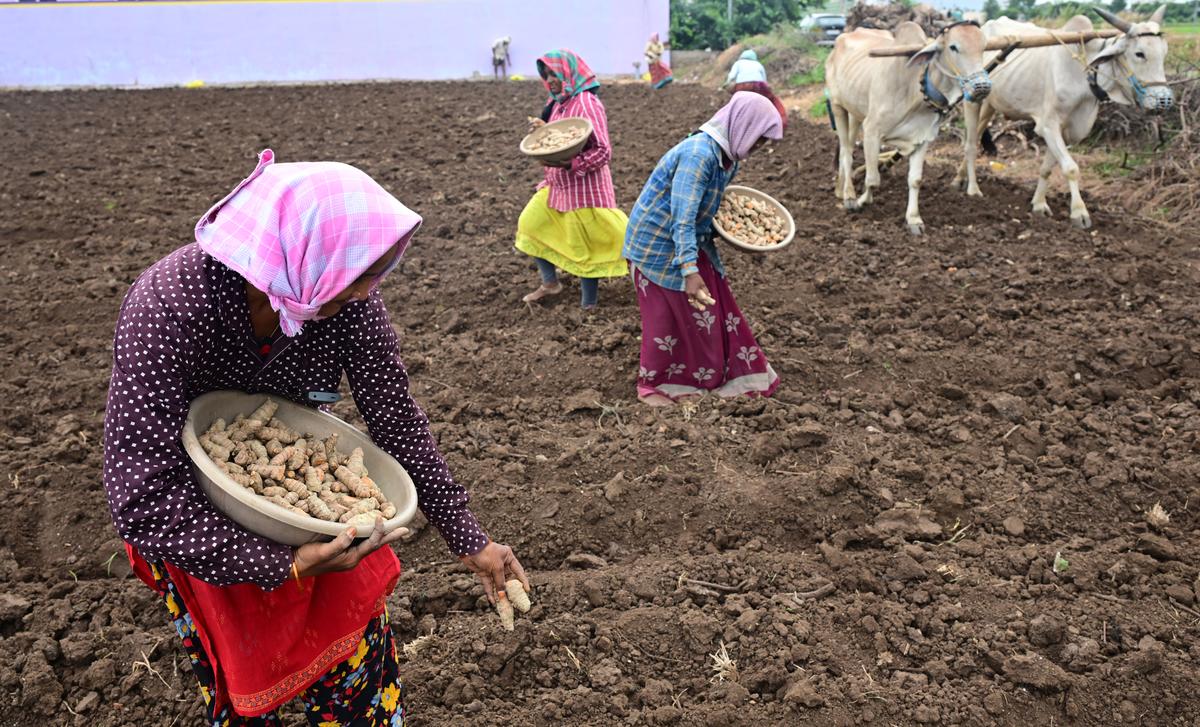
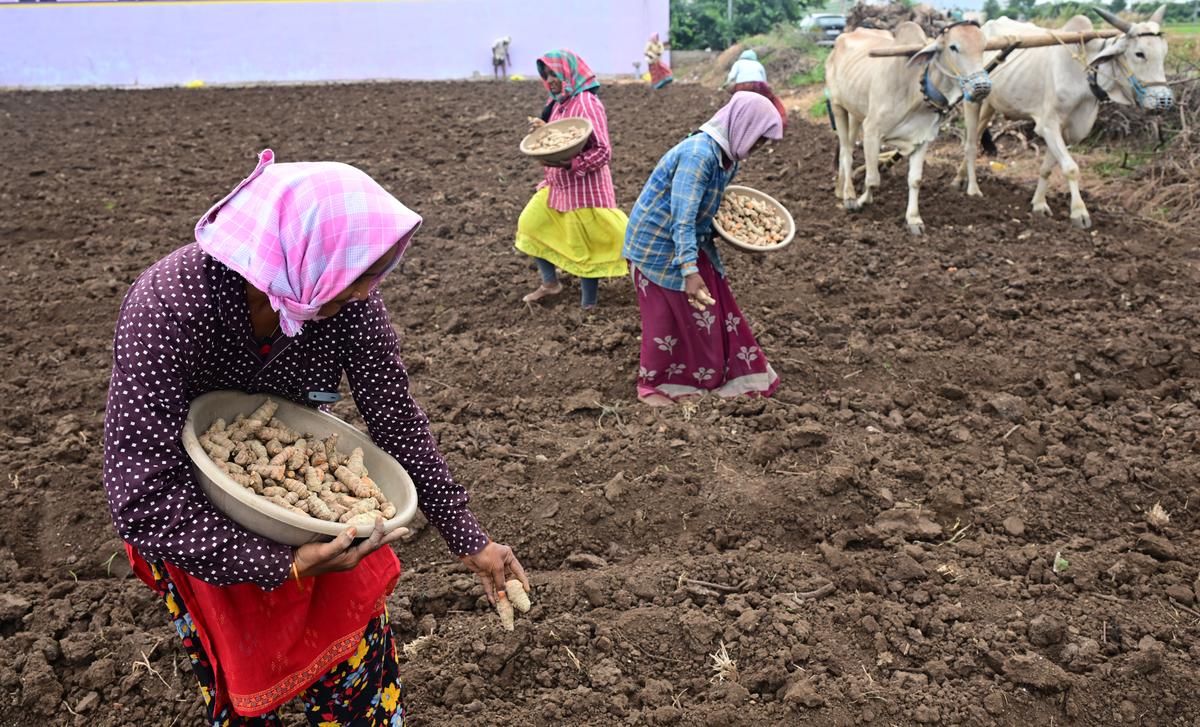
NABARD chilli turmeric training begins in Andhra Pradesh, targeting FPOs with expert modules on post-harvest techniques like drying, grading, and moisture control.
NABARD & NIRCA Launch Post‑Harvest Training for Chilli and Turmeric Farmers
The National Bank for Agriculture and Rural Development (NABARD) has partnered with ICAR’s National Institute for Research on Commercial Agriculture (NIRCA) to launch a dedicated training program for chilli and turmeric farmers in East Godavari, Andhra Pradesh. Commencing on June 25, 2025, the initiative aims to bring scientific rigor to post‑harvest operations—such as drying, grading, storage, and packaging—to significantly reduce crop losses and enhance product quality
This program specifically targets Farmers’ Producer Organisations (FPOs) and spice farmers, focusing on equipping them with modern technologies like dehydration units, moisture-control systems, and contamination prevention techniques. Expert-led modules will emphasize standardized practices to minimize microbial decay and moisture-related spoilage, which are significant concerns for these perishable, high‑value crops
Key Focus Areas of the Program
- Modular Training Sessions: Covering fundamental to advanced aspects of post-harvest handling (drying, grading, storage, packaging).
- Capacity Building for FPOs: Enabling collective quality control, certification compliance, and value addition.
- Hands‑on Technology Transfer: Includes practical exposure to dehydration machines and moisture-control systems.
- Expert Supervision: Oversight by Dr M. Sheshu Madhav (Director, NIRCA) along with senior NABARD officials
Such initiatives are critical to safeguard the economic fortunes of farmers, particularly in Andhra Pradesh—a major producer of both chilli and turmeric. Enhanced quality not only fetches premium prices domestically but also boosts export competitiveness. Improved post‑harvest techniques can also reduce dependency on intermediaries and empower farmers via stronger FPO-led collectives
Why This News Matters for Aspirants
Relevance to Government Exam Syllabus
This development aligns with key agricultural and rural development themes in banking and PSC examinations, such as the role of NABARD in implementing agri-technologies, boosting rural incomes, and supporting sustainable farming.
Insight into Policy and Institutional Framework
The collaboration between a financial institution (NABARD) and a research body (ICAR-NIRCA) shows how synergistic partnerships—focusing on technology adoption and capacity building—drive India’s rural economy.
Implications for Agri-value Chains
The initiative aligns with national objectives like doubling farmers’ income and reducing post‑harvest losses. Future officers, especially in rural development and agriculture departments, may be assessed on their understanding of practical, ground-level schemes.
Competitive Edge in Exams
Questions on the types of training programs, targeted stakeholders, crop types, and implementing institutes could appear in exams like NABARD Grade A, IBPS, SSC, RRB, and UPSC Prelims and Mains.
Broader Context for Writing & Interview Rounds
Aspirants can contextualize this program within broader efforts (e.g., e-NAM, FPO promotion, Agri–infra PPPs), underlining strategic rural reforms in essays and interviews.
Historical Context: From Post‑Harvest Losses to Value Chain Reinforcement
Early Concerns
India has long struggled with excessive post-harvest losses—estimated at 10–30% across farm produce—due to inadequate storage, processing, and transportation infrastructure.
Emergence of FPO Model
Launched under APMC reforms and supported by the Department of Agriculture, FPOs consolidate small growers to leverage economies of scale. Today, thousands of FPOs are central to value-chain development.
Role of NABARD
Established in 1982, NABARD continues to play a pivotal role in financing and capacity enhancement for rural infrastructure and FPOs across India.
Shift in Spice Sector
Despite India’s dominance in spice production, issues like fungal contamination and uneven quality have hindered exports. Institutional training in post‑harvest techniques, especially for crop-specific contexts (like chilli in Guntur, turmeric in AP), has been increasingly emphasized since the 2010s.
Synergy in Action
The 2025 training program showcases convergence of roles—research and financial institutions working together to elevate practices and reduce losses. This model echoes past interventions in other sectors (e.g., dairy, horticulture), reinforcing the potential of coordinated rural development drives.
Key Takeaways from “NABARD–NIRCA Training Initiative”
Frequently Asked Questions (FAQs)
1. What is the purpose of the NABARD–NIRCA training program?
The training program aims to equip chilli and turmeric farmers with scientific post-harvest techniques to reduce losses, improve quality, and increase market value.
2. Where is the training program being implemented?
The initiative is being implemented in East Godavari district, Andhra Pradesh, a key region for spice cultivation.
3. Who are the primary beneficiaries of this program?
The main beneficiaries are spice farmers and Farmers’ Producer Organisations (FPOs), who will receive technical training and hands-on exposure to post-harvest technologies.
4. What are some of the key technologies introduced through this training?
The training introduces moisture-control systems, dehydration equipment, and contamination prevention practices for better storage and processing.
5. Why are chilli and turmeric chosen for this program?
Chilli and turmeric are high-value crops with significant export potential, and both suffer from post-harvest challenges such as microbial decay and moisture-related losses.
6. How does NABARD contribute to such rural training programs?
NABARD provides financial assistance, planning, and institutional support for agricultural and rural development projects, especially through collaborations with research institutions like ICAR.
Some Important Current Affairs Links