Currently Empty: ₹0

Fruit Bowl of Kumaon: Major Fruits, Economy & Challenges in Uttarakhand
0 Comments
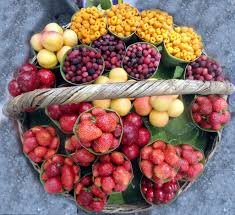
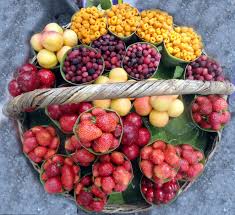
Kumaon, a region in the Indian state of Uttarakhand, is renowned for its diverse and vibrant agricultural landscape. Often referred to as the “Fruit Bowl of Kumaon”, this region is a significant contributor to India’s fruit production, with an array of high-quality fruits grown here. From apples and peaches to plums and pomegranates, the Kumaon region offers a wide variety of fruits that thrive in its unique climate and topography. This article delves into the agricultural importance of Kumaon, focusing on its fruit production, economic impact, and future prospects.
Agriculture in Kumaon: An Overview
Kumaon is located in the foothills of the Himalayas, where the terrain and climate create ideal conditions for fruit cultivation. The fertile soil, coupled with temperate weather, allows for the growth of several fruit varieties, making it one of India’s prominent agricultural hubs. Among the key crops, fruits like apples, peaches, pears, pomegranates, and plums are particularly popular. The region has not only contributed to local markets but also to national fruit production.
Economic Significance of Fruit Farming in Kumaon
The cultivation of fruits in Kumaon plays a pivotal role in the region’s economy. It generates substantial income for the local farmers, as many of these fruits are in high demand across India. Apples, for instance, are a significant export commodity, and the demand for Kumaon apples continues to rise due to their superior quality. Additionally, fruit farming provides employment to thousands of families, supporting not only the farmers but also the labor involved in harvesting, processing, and packaging.
Challenges Faced by Fruit Growers in Kumaon
Despite its agricultural success, the fruit industry in Kumaon faces several challenges. Climate change, unpredictable weather patterns, and the increasing frequency of natural disasters like floods and landslides have affected crop yields in recent years. Additionally, the region’s farmers struggle with issues related to inadequate irrigation, outdated farming techniques, and market fluctuations that impact profitability. To address these challenges, the government and agricultural organizations are working towards modernizing farming techniques and improving infrastructure to make the industry more resilient.
The Future of Kumaon’s Fruit Farming
The future of fruit farming in Kumaon looks promising, with ongoing efforts to introduce high-yielding, disease-resistant fruit varieties. Additionally, initiatives to enhance marketing strategies and improve export potential will likely boost the region’s economic growth. There is also a growing focus on organic farming, which aligns with global trends toward healthier and environmentally sustainable agricultural practices. The region’s government is encouraging young farmers to venture into fruit farming by providing financial assistance, training, and modern technology.
Why This News is Important
Impact on India’s Agriculture and Economy
The story of Kumaon as the “Fruit Bowl” is crucial for understanding India’s diverse agricultural landscape and its economic contributions. Agriculture is a major sector in India, and regions like Kumaon that specialize in fruit farming are vital for ensuring food security, generating employment, and boosting export revenues. Students preparing for government exams should be aware of the agricultural dynamics in different regions of India, as this topic is often featured in sections related to agriculture, economics, and rural development.
Relevance to Sustainable Farming Practices
The emphasis on sustainable farming practices in Kumaon’s fruit industry highlights the importance of environmental sustainability in agriculture. Given the challenges posed by climate change, students should understand how regions like Kumaon are adopting organic farming methods and modern agricultural practices to ensure long-term viability. This can be an important topic in environmental studies, especially for exams focusing on sustainability and rural development policies.
A Case Study for Other Regions
Kumaon’s fruit farming practices offer valuable lessons for other regions of India that face similar challenges. The strategies employed here, such as the adoption of advanced irrigation systems and high-yielding crops, can serve as a blueprint for agricultural development in other parts of the country. This makes Kumaon a significant case study for students preparing for competitive exams related to agriculture, rural development, and environmental science.
Historical Context: Background Information
The Agricultural History of Kumaon
Kumaon has a long history of agriculture, with fruit cultivation being a cornerstone of the region’s economy for centuries. Traditionally, the area was known for its production of grains like rice and barley, but over time, farmers shifted focus to fruit cultivation due to the region’s unique climatic conditions. In the early 20th century, the British colonial administration introduced apple farming in the region, a practice that took root and transformed the agricultural landscape.
Development in the Post-Independence Era
After India gained independence, Kumaon’s agriculture saw significant growth with the introduction of modern farming techniques and government support. Over the years, fruit farming, particularly the cultivation of apples, peaches, and plums, became a key economic activity. The establishment of fruit processing industries in the region also helped in increasing the value of agricultural produce. Despite challenges, the region’s agricultural sector continues to thrive, contributing to both local and national economies.
Present-Day Efforts to Revitalize Fruit Farming
In recent years, there has been a push to modernize farming practices in Kumaon. With the rise of climate change concerns, efforts to implement sustainable farming techniques have become central to the agricultural agenda. The government has provided financial support to farmers for adopting modern irrigation methods, new fruit varieties, and organic farming practices. These steps aim to ensure that Kumaon remains a leading agricultural region in India.
Key Takeaways from “The Fruit Bowl of Kumaon”
FAQs: Frequently Asked Questions
1. Why is Kumaon called the “Fruit Bowl of India”?
Kumaon is known as the “Fruit Bowl of India” due to its diverse fruit cultivation, including apples, peaches, plums, and pomegranates, which thrive in its fertile soil and temperate climate.
2. Which fruits are commonly grown in Kumaon?
The major fruits cultivated in Kumaon include apples, peaches, pears, plums, pomegranates, apricots, and walnuts.
3. What are the economic benefits of fruit farming in Kumaon?
Fruit farming contributes significantly to the local economy by generating employment, increasing export revenues, and supporting the livelihoods of farmers and traders.
4. What are the challenges faced by farmers in Kumaon?
Farmers in Kumaon face challenges such as climate change, unpredictable weather patterns, inadequate irrigation, market fluctuations, and outdated farming techniques.
5. How does climate change impact fruit cultivation in Kumaon?
Climate change has led to erratic rainfall, rising temperatures, and natural disasters like landslides and floods, which negatively impact fruit yields and farmers’ incomes.
Some Important Current Affairs Links