Currently Empty: ₹0

e‑Passport Application Process India: Passport Seva 2.0 Launched with Faster Verification & Chip-Based Security
0 Comments
e‑Passport Application Process India: Learn everything about Passport Seva 2.0, how to apply for India’s new e-passport, improved verification, and cities where services are active.
🌐 Passport Seva 2.0 & e‑Passport: A Digital Leap in Travel Documents
Introduction to Passport Seva 2.0
On June 25, 2025, External Affairs Minister S. Jaishankar launched Passport Seva 2.0, marking a major upgrade to India’s passport services. This new system introduces e-passports (embedded with contactless chips), expanded access through mobile vans, and streamlined processes via Post Office Passport Seva Kendras (POPSKs).
What Exactly Are e‑Passports?
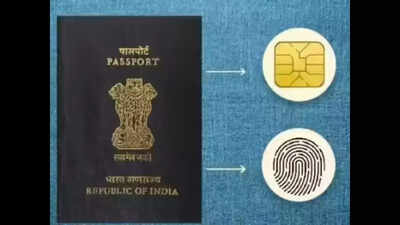
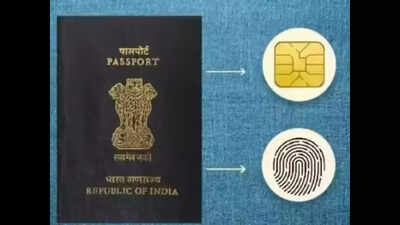
An e-passport integrates an RFID chip and antenna within the cover. This chip securely holds biometric and personal data—such as fingerprints, photos, name, and passport number—and is protected by global security standards like BAC and EAC.
How to Apply: Step‑by‑Step
- Visit the Passport Seva Portal and register/login.
- Choose “Apply for Fresh Passport/Re-issue,” select the e‑passport option.
- Fill out details, pay the fee, and schedule an appointment at a PSK or POPSK.
- Attend with original documents for biometric and police verification.
- Receive your e‑passport via post once processed.
Where e‑Passports Are Already Live
Currently, e‑passport issuance has begun in 13 cities, including Nagpur, Chennai, Hyderabad, Jaipur, and Ranchi. A nationwide rollout is expected by mid‑2025.
Enhanced Police Verification
The mPassport Police App, now active in 25 states and UTs, accelerates local police verification—cutting it down to just 5–7 days, compared to earlier durations of weeks.
Benefits at a Glance
- Security: Chip-based encryption reduces forgery risks.
- Efficiency: Contactless scanning speeds up immigration clearance.
- Global Compatibility: Aligned with ICAO standards—ready for e-gates.
- Convenience: Mobile vans and POPSKs bring services closer to citizens.
Why This News Matters for Aspirants
Relevant for Multiple Exams
Whether you’re preparing for SSC, banking, railways, teaching, police, defence, or civil services (UPSC), understanding Passport Seva 2.0 is key. It showcases:
- Government’s Digital Push: Reflects national policy on digital infrastructure.
- Security Awareness: Important for questions on biometric systems and international standards.
- Administrative Reforms: Relevant in Public Administration and Polity sections focusing on citizen-centric initiatives.
Policy & Governance Implications
Passport Seva 2.0 exemplifies digital governance, featuring cloud computing, real-time data flows, and mobile units for enhanced public service delivery. It reflects the government’s strategy to integrate technology for improved transparency and efficiency.
Tech & Modernisation Angle
This initiative highlights national progress in emerging technology adoption—from RFID-chipped documents to app-enabled verifications—offering a case study in e-governance modernization.
Historical Context
Evolution of Passport Services in India
- 2008: India issued its first biometric passport (to President Pratibha Patil).
- 2008–2024: Diplomatic and official passports went e-passport; plans extended to ordinary passports via phased rollout.
- 2022: Budget announced biometric/e-passport rollout for citizens.
- April & June 2024: Pilot projects launched in Bhubaneswar, Nagpur, and later Chennai with thousands of e-passports issued.
- June 25, 2025: Full nationwide rollout of Passport Seva 2.0 and e-passport services.
Key Takeaways from “Passport Seva 2.0 & e‑Passport”
FAQs: Frequently Asked Questions
1. What is Passport Seva 2.0?
Passport Seva 2.0 is the upgraded version of India’s passport issuance system with features like cloud computing, advanced biometrics, real-time tracking, e-passports, and improved police verification.
2. What is an e‑Passport?
An e‑Passport is a modern passport with an embedded RFID chip that stores biometric and personal data, making international travel more secure and faster at immigration counters.
3. How is the police verification process improved?
The mPassport Police App reduces police verification time to 5–7 days and is functional in 25 states and union territories.
4. Where is the e‑Passport currently available?
As of now, e-passport services are operational in 13 cities like Nagpur, Ranchi, Chennai, Jaipur, etc., with full rollout expected by mid-2025.
5. Is the e‑Passport compulsory for all applicants?
No, it is currently being rolled out in phases. Applicants can choose between a regular and an e-passport depending on availability in their region.
Some Important Current Affairs Links