Currently Empty: ₹0

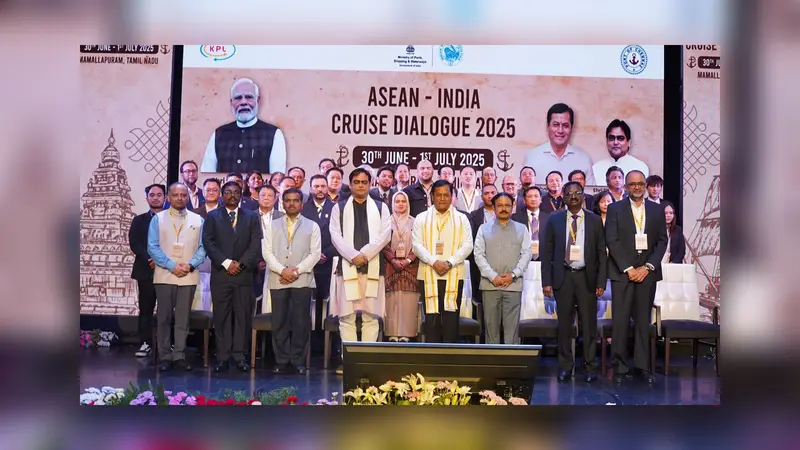
ASEAN India Cruise Dialogue 2025: Strengthening Maritime Cooperation and Tourism
0 Comments
ASEAN India Cruise Dialogue 2025 boosts maritime ties, cruise tourism, and regional diplomacy through Chennai-hosted multilateral talks under Sagar Mala and Viksit Bharat 2047.
India Hosts First ASEAN–India Cruise Dialogue to Strengthen Maritime Ties
Introduction: A New Milestone in Maritime Diplomacy
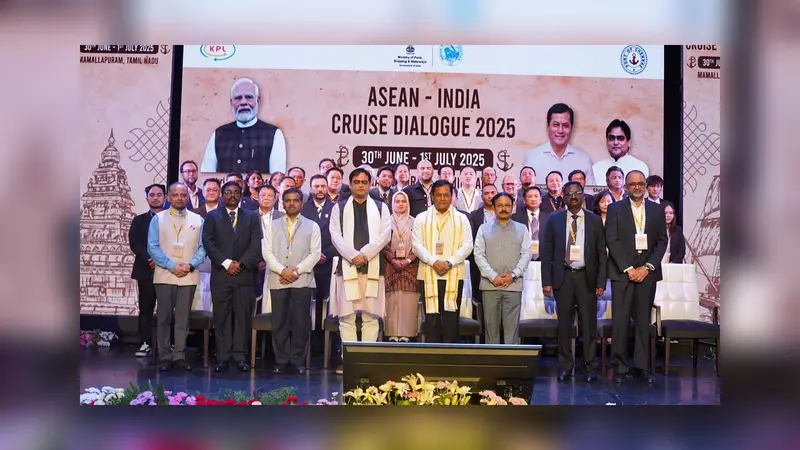
On July 1, 2025, India hosted the inaugural ASEAN–India Cruise Dialogue aboard MV Empress at Chennai Port. The event was inaugurated by Union Minister Sarbananda Sonowal and brought together over 30 delegates from all 10 ASEAN nations—Brunei, Cambodia, Indonesia, Laos PDR, Malaysia, Myanmar, the Philippines, Singapore, Thailand, Vietnam—as well as Timor‑Leste The main goals were to enhance maritime cooperation, cruise connectivity, and sustainable tourism across the Indo‑Pacific region.
Key Discussions and Themes
The dialogue focused on building an integrated cruise network linking Indian ports with ASEAN destinations. Topics included upgrading port infrastructure, real-time ship tracking, immigration efficiency, cruise route planning, and aligning with Viksit Bharat 2047 and ASEAN Community Vision 2045 Two central sessions addressed:
- Trade & Investment under the ASEAN–India Cooperation Fund
- Development of ASEAN–India Cruise Tourist Circuits
India’s Strategic Vision
Minister Sonowal emphasised India’s plan to professionalise 5,000 km of navigable waterways, under the Sagar Mala initiative, aiming to attract 1 million cruise passengers by 2029. He noted the substantial rise in ship calls—from only 102 in 2013–14 to over 14,000 now—driven by robust policy reform, tax incentives, and modern port infrastructure
Heritage Integration & People‑to‑People Connect
The dialogue continued in Mamallapuram—a UNESCO World Heritage coastal site—where delegates toured ancient temples and rock‑cut monuments. This highlighted India’s intent to link cultural heritage with cruise tourism, encouraging deeper regional engagement and cultural diplomacy
Long‑term Regional Impact
India envisages the dialogue as a recurring multilateral forum and a strategic enabler for future Indo‑Pacific maritime cooperation Through initiatives like Cruise Bharat Mission, Maritime India Vision 2030, and Maritime Amrit Kaal Vision 2047, India and ASEAN aim to emerge as the hub of cruise tourism for the Global South
Why This News Is Important
Strengthening Act East Policy & Regional Integration
This Dialogue reflects India’s commitment to its Act East Policy, enhancing strategic and economic ties with Southeast Asia via maritime channels Through cruise cooperation, India builds on historical maritime corridors, establishing the Bay of Bengal as a vibrant axis for tourism, commerce, and cultural exchange.
Economic & Employment Potential
Cruise tourism offers immense economic opportunities—boosting port activity, generating revenue, and creating jobs in tourism, hospitality, logistics, and allied sectors. India’s target of 1 million cruise passengers by 2029 further underscores this potential .
Cultural Diplomacy Through Maritime Heritage
Linking cruise routes with UNESCO heritage sites like Mamallapuram helps promote people‑to‑people connections, showcasing India’s rich cultural legacy. This enhances soft power and fosters goodwill across ASEAN nations.
Sustainability & Blue Economy
By focusing on sustainable maritime practices, real-time tracking, and modern ports, India and ASEAN are aligning cruise tourism with the blue economy. Emphasis on environmental protection is central to maintaining ecological balance in coastal and oceanic regions
Strategic Indo‑Pacific Vision
The Dialogue is integral to India’s vision of maritime leadership under SAGAR (“Security and Growth for All in the Region”), complementing broader objectives like Mission SAGAR, Maritime India Vision 2030, and Amrit Kaal Vision 2047
Historical Context: Setting Sail on Maritime Legacy
Ancient Maritime Links
Historically, India and Southeast Asia shared vibrant maritime trade since the early Common Era through routes facilitating goods, religion, and culture. Kingdoms like Srivijaya and Majapahit flourished via these sea lanes.
Modern Engagement: Act East Policy & SAGAR
India’s Act East Policy (evolving from “Look East”) began in the 1990s to deepen ties with ASEAN nations in trade, defence, and maritime cooperation .
The phrase SAGAR (Security and Growth for All in the Region) was coined by PM Modi in 2015 to frame India’s Indian Ocean vision It further manifested in partnerships like Mission SAGAR, coastal security collaboration, and infrastructural cooperation.
Cruise Sector Prioritisation
In the past decade, India launched initiatives such as Sagarmala, the Cruise Bharat Mission, and Maritime India Vision 2030 to boost ports and cruise infrastructure. Ship calls soared from 102 in 2013–14 to over 14,000 by 2025, marking exponential growth
ASEAN Connectivity Agreements
Through agreements like the ASEAN–India Free Trade Area (initiated 2009) and the ASEAN‑India Tourism Work Plan (2023–27), the foundation was laid for integrated economic and tourism connectivity
Key Takeaways from ASEAN–India Cruise Dialogue
FAQs: Frequently Asked Questions
Q1. What is the ASEAN–India Cruise Dialogue?
Answer: It is a diplomatic and economic initiative aimed at enhancing cruise connectivity and maritime cooperation between India and ASEAN countries.
Q2. When and where was the first ASEAN–India Cruise Dialogue held?
Answer: It was held on 1st July 2025 aboard MV Empress at Chennai Port, Tamil Nadu.
Q3. Which countries participated in the inaugural dialogue?
Answer: All 10 ASEAN member nations—Brunei, Cambodia, Indonesia, Laos, Malaysia, Myanmar, Philippines, Singapore, Thailand, Vietnam—and Timor-Leste participated.
Q4. What are India’s cruise tourism targets under this initiative?
Answer: India aims to professionalise 5,000 km of waterways and achieve 1 million cruise passengers by 2029.
Q5. Which major Indian initiatives are aligned with this dialogue?
Answer: The dialogue aligns with Sagar Mala, Maritime India Vision 2030, Cruise Bharat Mission, and Amrit Kaal Vision 2047.
Some Important Current Affairs Links