Currently Empty: ₹0

Ali Ai Ligang Festival: Mising Tribe’s Agrarian Celebration in Assam
0 Comments
Mising Tribe Celebrates Ali Ai Ligang Festival: A Vibrant Harvest Festival of Assam
Introduction
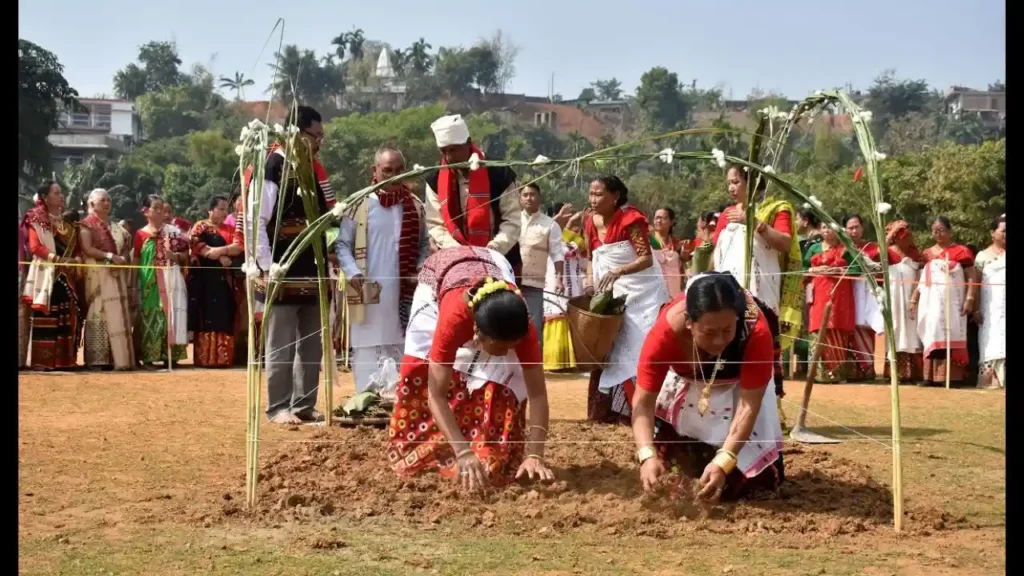
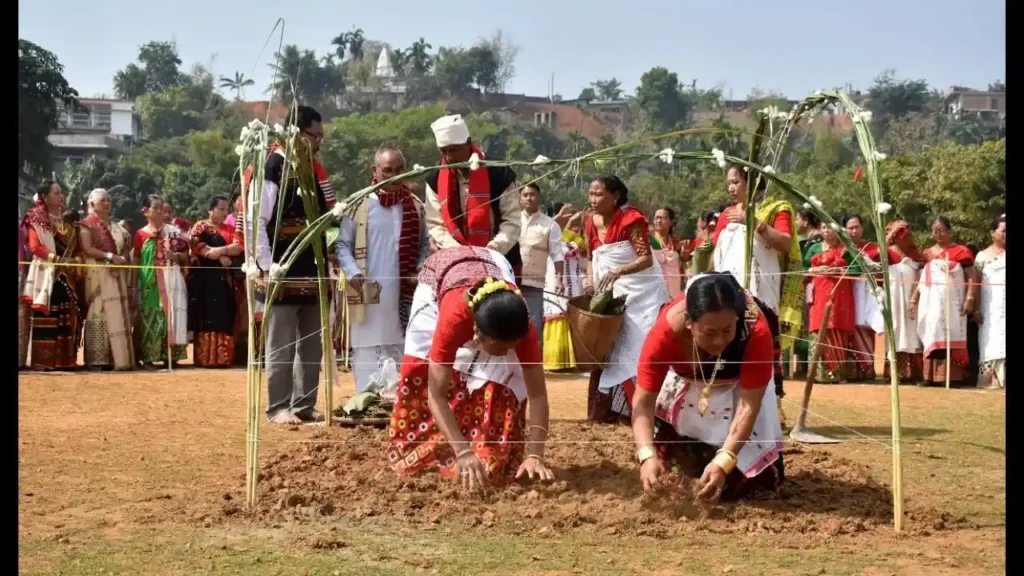
The Mising tribe of Assam recently celebrated the Ali Ai Ligang Festival, an important agrarian festival marking the beginning of the sowing season. This festival, observed annually on the first Wednesday of Phagun (February-March), is dedicated to agricultural prosperity and fertility. It is characterized by traditional dances, folk songs, and rituals that reflect the deep-rooted cultural heritage of the Mising community.
Significance of Ali Ai Ligang Festival
Ali Ai Ligang is one of the most significant festivals for the Mising community, emphasizing their agrarian lifestyle. The words “Ali” (roots and seeds), “Ai” (fruit), and “Ligang” (sowing) collectively signify the initiation of the sowing process. Farmers worship their deities, seeking blessings for a prosperous harvest.
The festival also serves as a platform to preserve and showcase traditional Mising customs through performances of the Gumrag dance, folk music, and cultural gatherings. The event is marked by community feasting, with traditional dishes like Purang Apin (rice wrapped in leaves) and Apong (rice beer) taking center stage.
Rituals and Celebrations
The Ali Ai Ligang festival begins with a ceremonial sowing of seeds, symbolizing the commencement of agricultural activities. Some of the key rituals and celebrations include:
- Ceremonial Ploughing: Farmers perform ritualistic plowing of fields, invoking deities for a fruitful harvest.
- Gumrag Dance: The Mising people engage in the Gumrag Soman dance, performed in circles with rhythmic movements reflecting unity.
- Traditional Feast: The festival is incomplete without authentic Mising cuisine, particularly fish-based dishes and Apong.
- Community Bonding: The event fosters social harmony, bringing together different generations to uphold their heritage.
Government Initiatives and Support for Tribal Festivals
The Government of Assam and the Ministry of Tribal Affairs have been actively promoting tribal festivals to preserve indigenous cultures. Various schemes, such as Tribal Cultural Promotion Initiatives, aim to provide financial assistance and infrastructural support for such events.
Additionally, programs under “Ek Bharat Shreshtha Bharat” encourage inter-state cultural exchanges, allowing other communities to appreciate and participate in Mising traditions.
Why This News is Important?
1. Cultural Significance for Tribal Heritage
Ali Ai Ligang is one of the most important festivals of the Mising tribe, symbolizing their rich agricultural traditions and cultural identity. Such festivals help preserve India’s diverse tribal heritage.
2. Relevance in Government Exams
Topics related to tribal festivals, cultural heritage, and government initiatives are frequently asked in UPSC, SSC, Banking, and Railway exams. Candidates must be familiar with these traditional events and their significance.
3. Government Policies for Tribal Welfare
With the government focusing on tribal welfare and cultural preservation, questions related to schemes supporting indigenous communities are expected in various competitive exams.
4. Role in Tourism and Economy
Festivals like Ali Ai Ligang attract tourists, contributing to the economic growth of tribal communities. Awareness about such events is crucial for aspirants preparing for government job interviews.
5. Promoting Sustainable Agriculture
The festival emphasizes organic farming and indigenous agricultural practices, aligning with India’s goal of sustainable farming. This aspect is crucial for exams focusing on environmental studies and rural development.
Historical Context: The Origin of Ali Ai Ligang Festival
The Ali Ai Ligang festival dates back centuries and is deeply embedded in the history of the Mising tribe, believed to have migrated from Tibet to Assam. Historically, the festival was observed as a spiritual ritual to honor the earth and seek blessings for a bountiful harvest.
Over time, the festival has evolved, incorporating folk music, dance, and feasts to strengthen community bonds. The Assamese government and cultural organizations have played a pivotal role in ensuring that the festival remains a recognized and celebrated event at state and national levels.
Key Takeaways from Ali Ai Ligang Festival
Important FAQs for Students from this News
What is the meaning of Ali Ai Ligang?
“Ali” means roots and seeds, “Ai” refers to fruit, and “Ligang” signifies the sowing process.
Which tribe celebrates Ali Ai Ligang?
The Mising tribe of Assam celebrates this festival.
When is Ali Ai Ligang celebrated?
It is observed on the first Wednesday of the month of Phagun (February-March).
What are the major highlights of the festival?
Traditional dances (Gumrag), feasting, ceremonial plowing, and cultural gatherings.
How does the government support the festival?
The Assam government and the Ministry of Tribal Affairs promote it through cultural schemes and tourism initiatives.
Some Important Current Affairs Links