Currently Empty: ₹0

Nepal Free Climbing on 97 Himalayan Peaks – Tourism Revival News
0 Comments
Nepal free climbing permits on 97 Himalayan peaks aim to boost tourism, support local economies, and promote adventure travel while ensuring environmental protection.
Nepal Announces Free Climbing on 97 Himalayan Peaks to Boost Tourism
Government Initiative to Promote Adventure Tourism
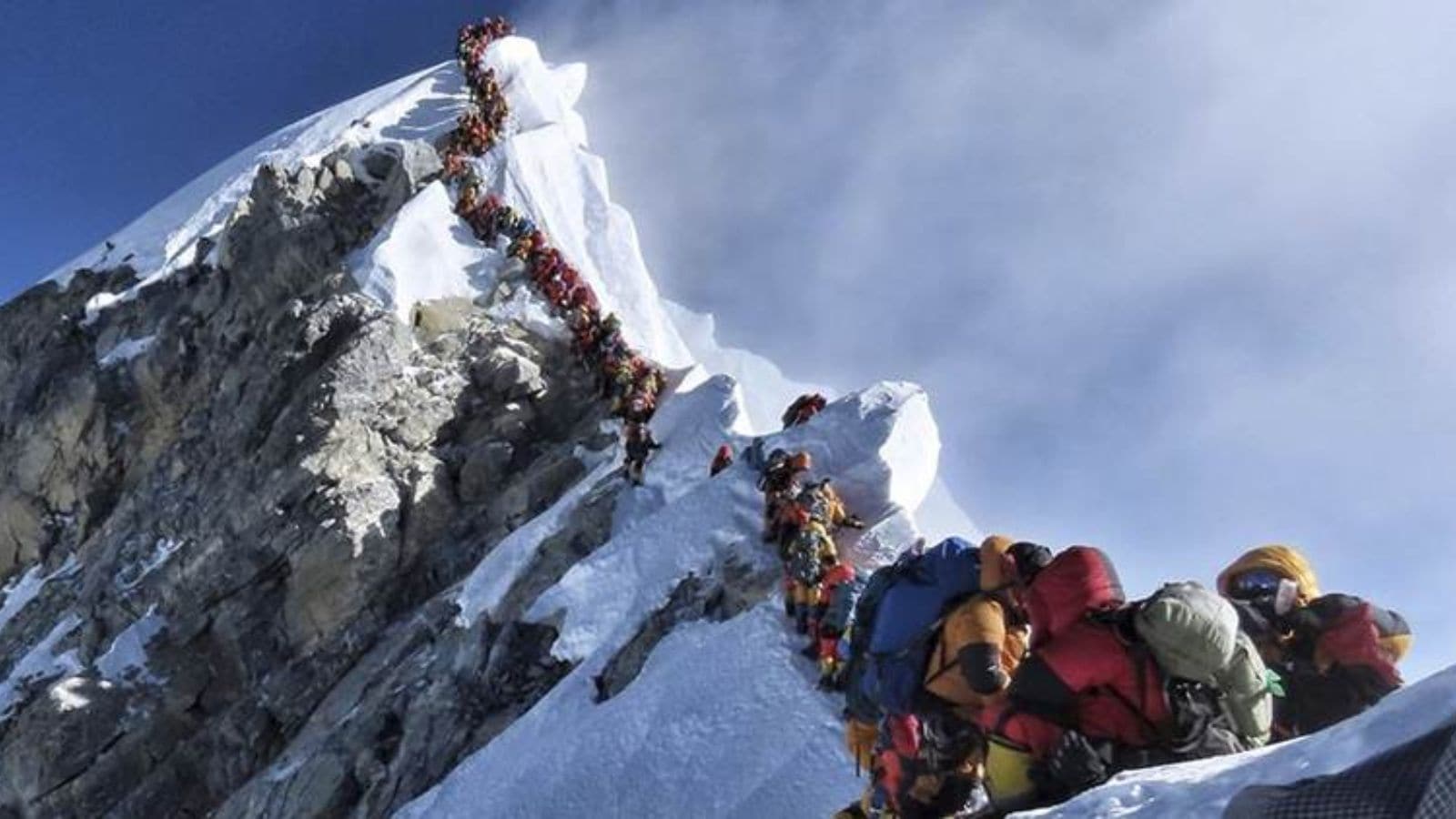
The Government of Nepal has announced a landmark decision to allow free climbing on 97 Himalayan peaks in a strategic move to revive and boost the country’s tourism sector. This decision, aimed at attracting both domestic and international climbers, comes as part of Nepal’s broader tourism revival plan post-pandemic. The Ministry of Culture, Tourism, and Civil Aviation stated that the free permits will apply to several mountains, including peaks located in less-explored areas, providing new opportunities for adventurers while promoting local economies.
Inclusion of Lesser-Known Peaks
Among the 97 peaks selected, many are situated in remote areas of Nepal, away from the heavily trafficked Mount Everest and Annapurna routes. The government’s goal is to distribute tourist activity more evenly across different regions, thereby reducing pressure on over-visited trails while giving lesser-known regions a chance to develop their tourism infrastructure. Officials have emphasized that these peaks offer unique climbing experiences with varying levels of difficulty, catering to beginners and professional mountaineers alike.
Economic and Cultural Impact
Tourism is a vital part of Nepal’s economy, contributing significantly to employment and foreign exchange earnings. By offering free climbing permits, Nepal aims to stimulate demand for local services such as lodging, food, transportation, and guide services. Additionally, the initiative is expected to encourage cultural exchange between visitors and local communities, strengthening Nepal’s identity as a premier adventure tourism destination.
Environmental Considerations and Safety Measures
While promoting tourism, the Nepalese government is also aware of the environmental implications of increased climbing activity. Authorities have outlined guidelines for waste management, safety, and responsible trekking. Climbing groups will be required to follow environmental protocols to preserve the fragile Himalayan ecosystem. This includes mandatory waste retrieval and adherence to safety standards enforced by the Nepal Mountaineering Association.
Opportunities for Mountaineers and Adventure Enthusiasts
This new policy offers a golden opportunity for mountaineers around the globe to explore untouched Himalayan routes without the burden of expensive climbing permits. It also opens doors for Nepalese climbers to practice and develop their skills in less commercialized settings. Adventure tourism companies have already started designing travel packages to promote these destinations to international tourists.
Why This News Is Important
Boosting Nepal’s Tourism Revenue
Tourism is one of Nepal’s largest industries, and the free climbing permit scheme is expected to attract thousands of additional tourists annually. This will help increase the inflow of foreign currency and create more job opportunities in the hospitality and adventure travel sectors.
Diversifying Tourist Attractions
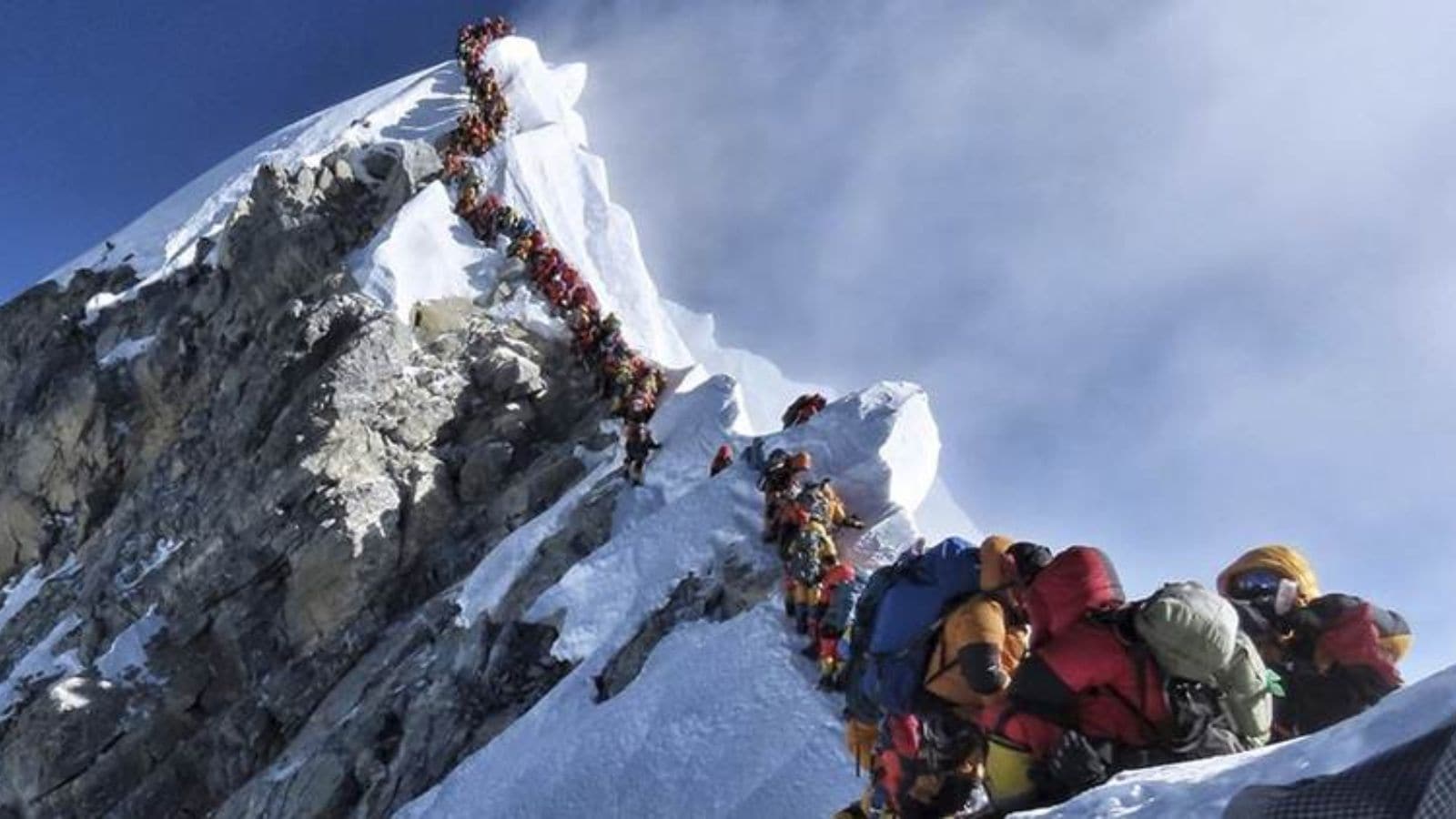
Most tourists in Nepal focus on Mount Everest and Annapurna. By opening up 97 other peaks, the government is creating a more diversified tourism portfolio. This reduces overcrowding in popular regions and helps lesser-known areas gain economic benefits.
Strategic Post-Pandemic Recovery
The COVID-19 pandemic severely impacted Nepal’s tourism industry. Offering free climbing permits is a cost-effective method to reignite interest among international travelers and rebuild the sector without significant government spending.
Historical Context
Nepal has long been considered the world’s mountaineering capital, home to eight of the 14 highest peaks in the world, including Mount Everest. The practice of charging climbing permit fees dates back decades, serving as a major source of tourism revenue. For example, climbing Mount Everest can cost over $11,000 in permit fees alone. However, in the 1970s and 1980s, Nepal did allow low-cost or free climbing on certain peaks to attract foreign climbers. This recent decision to waive fees for 97 peaks marks a return to such strategies, reflecting a shift towards more sustainable and inclusive tourism development.
Key Takeaways from “Nepal’s Free Climbing on 97 Himalayan Peaks”
FAQs – Frequently Asked Questions
Q1. How many Himalayan peaks has Nepal opened for free climbing?
Nepal has opened 97 Himalayan peaks for free climbing permits.
Q2. Why has Nepal decided to waive climbing permit fees?
The decision is aimed at boosting tourism, attracting both domestic and international climbers, and supporting local economies.
Q3. Are the free climbing permits applicable to Mount Everest?
No, Mount Everest is not included in the free permit list. The policy focuses on lesser-known peaks.
Q4. What measures are being taken to protect the environment?
Authorities have mandated waste management protocols, safety guidelines, and environmental preservation rules for all climbing groups.
Q5. How will this decision impact local communities?
The initiative is expected to create more jobs, generate income for local businesses, and promote cultural exchange with visitors.
Q6. Which ministry is responsible for implementing this policy?
The Ministry of Culture, Tourism, and Civil Aviation of Nepal is overseeing the policy.
Q7. When was a similar free climbing policy used in Nepal before?
Nepal had low-cost or free climbing permits for certain peaks during the 1970s and 1980s to attract foreign climbers.
Q8. What is the importance of adventure tourism in Nepal’s economy?
Adventure tourism is a major source of foreign exchange earnings and employment in Nepal.
Q9. Will climbers still need to follow safety protocols?
Yes, climbers must follow strict safety and environmental protocols to protect the Himalayan ecosystem.
Q10. How can this news be relevant for government exam aspirants?
It’s important for questions related to international tourism policies, economic development, and environmental management.
Some Important Current Affairs Links