Currently Empty: ₹0

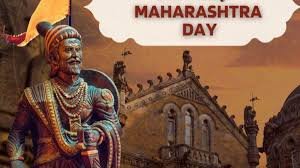
Maharashtra Diwas 2025: History, Origin, Significance, and Celebrations of Maharashtra Day
0 Comments
Introduction to Maharashtra Diwas
Maharashtra Diwas, also called Maharashtra Day, is observed every year on May 1st to commemorate the creation of the state of Maharashtra through the Bombay Reorganisation Act of 1960. This law officially came into effect on May 1, 1960, carving out a separate Marathi‐speaking state from the erstwhile Bombay State.The day honors the linguistic identity and cultural heritage of the Marathi people, while also celebrating Maharashtra’s journey over the past six decades.
Origin and Formation of the State
In the aftermath of India’s independence, the States Reorganisation Act of 1956 sought to redraw state boundaries on linguistic lines. However, Bombay State remained a multilingual entity, home to Marathi, Gujarati, Konkani, and Kutchi speakers. This led to the Samyukta Maharashtra Andolan, a popular movement demanding a distinct Marathi state. Years of protests, demonstrations, and political negotiations culminated in the passage of the Bombay Reorganisation Act, which took effect on May 1, 1960.
Significance of Linguistic Reorganisation
Maharashtra Diwas symbolizes India’s commitment to linguistic federalism—the principle that people sharing a common language and culture should have the administrative autonomy to preserve and promote their heritage. The formation of Maharashtra reinforced the idea that linguistic identity can coexist with national unity, ensuring that governance is more responsive to regional aspirations and local development priorities.
Celebrations and Customs
Across the state, Maharashtra Diwas is marked by flag‐hoisting ceremonies, parades, cultural performances, and official speeches. The Governor of Maharashtra delivers an address at Shivaji Park in Mumbai, followed by a grand march past by state police and school contingents. Government offices, schools, and many businesses observe a public holiday. Notably, liquor sales are prohibited to Indian citizens on this day, underscoring its solemnity .
Economic and Cultural Contributions
Since its inception, Maharashtra has emerged as one of India’s most dynamic states, contributing significantly to the national GDP through manufacturing, finance, and entertainment. Its capital, Mumbai, is the country’s financial hub, while heritage sites like the Ajanta and Ellora Caves showcase its rich cultural legacy. Special programmes—such as exhibitions on state achievements and seminars on local arts—highlight Maharashtra’s pivotal role in India’s economic and social progress.
Relevance for Competitive Exam Aspirants
For students preparing for UPSC, State PSCs, SSC, Banking, Railways, and Defence exams, Maharashtra Diwas offers a multidimensional case study. It touches upon topics in Indian Polity (federalism, linguistic reorganisation), Modern Indian History (post‐independence state formation), and Economic Development (role of regional economies). Understanding such state formation movements and their impact is crucial for addressing both objective and descriptive questions.
 Why This News Is Important
 Why This News Is Important
Understanding Federalism and Linguistic Identity
Maharashtra Diwas exemplifies how India’s federal structure accommodates diverse linguistic and cultural identities within a unified nation. The successful reorganisation of Bombay State into Maharashtra demonstrates the constitutional mechanism by which regional aspirations are balanced against national integrity.
Exam Relevance and Multidisciplinary Insight
The formation of Maharashtra is frequently asked in competitive exams under Polity, Governance, and History sections. It also offers insights into economic geography—Maharashtra’s rise as an industrial and financial powerhouse—and social movements, such as the Samyukta Maharashtra Andolan. Mastery of these themes helps aspirants in both objective tests and essay‐writing sections.
Historical Context
 Historical Context
The Samyukta Maharashtra Movement
From 1956 to 1960, the Samyukta Maharashtra Andolan led agitations demanding a separate Marathi-speaking state. Key leaders and student groups organized protests, hartals, and demonstrations across Bombay State. Their perseverance culminated in parliamentary approval of the Bombay Reorganisation Act, 1960, which took effect on May 1, 1960
The Bombay Reorganisation Act, 1960
Enacted on April 25, 1960, and effective from May 1, 1960, this Act divided Bombay State into Maharashtra and Gujarat. It marked a landmark in India’s linguistic state reorganisation, setting a precedent for future demands across the country. The new state government of Maharashtra was inaugurated with official ceremonies in Mumbai, with leaders like Yashwantrao Chavan and Sri Prakasa presiding.
Key Takeaways from “Maharashtra Diwas 2025”
 Key Takeaways from “Maharashtra Diwas 2025”
FAQs: Frequently Asked Questions
- What is the significance of Maharashtra Diwas?
Maharashtra Diwas marks the creation of the state of Maharashtra on May 1, 1960, when the Bombay Reorganisation Act came into effect, dividing Bombay State into Maharashtra and Gujarat. It celebrates the linguistic and cultural identity of the Marathi-speaking people. - Who were the key leaders in the formation of Maharashtra?
The formation of Maharashtra was largely driven by the Samyukta Maharashtra Andolan, with leaders such as Yashwantrao Chavan, Keshavrao Jedhe, and S.M. Joshi playing pivotal roles in the movement. - How is Maharashtra Diwas celebrated?
Maharashtra Diwas is celebrated with flag hoisting, parades, cultural performances, and official speeches. Government offices and schools across the state participate in the event, and Shivaji Park in Mumbai hosts grand celebrations. - What is the importance of the Bombay Reorganisation Act of 1960?
The Bombay Reorganisation Act of 1960 led to the creation of Maharashtra and Gujarat as separate states, recognizing the need for linguistic reorganisation in India. It is crucial for understanding India’s federal structure and state formation processes. - How is Maharashtra significant in India’s economy?
Maharashtra is an economic powerhouse, home to Mumbai, the financial capital of India, and significant contributors to manufacturing, trade, and entertainment, including Bollywood.
Some Important Current Affairs Links