Currently Empty: ₹0

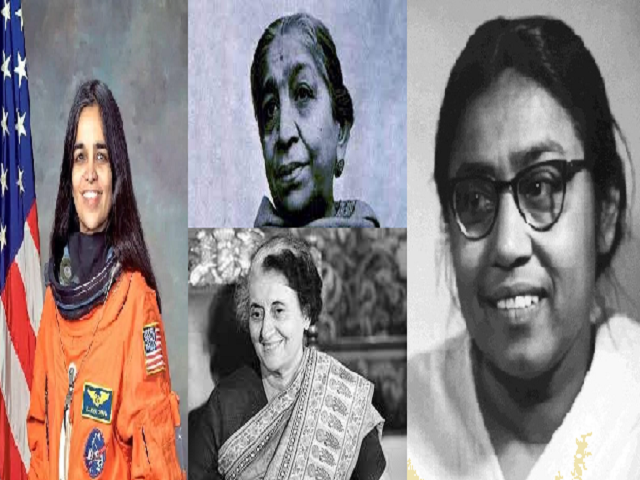
Celebrating Iconic Women of India: Their Role in History, Politics, and Society
0 Comments
Celebrating Iconic Women of India: Past & Present
India’s history is adorned with the remarkable contributions of women who have shaped its socio-political and cultural landscape. From valiant freedom fighters to contemporary leaders, these women have left an indelible mark on the nation’s progress.
Freedom Fighters: The Pillars of Resistance
Women played a pivotal role in India’s struggle for independence. Figures like Rani Lakshmi Bai, the Queen of Jhansi, showcased unparalleled bravery during the 1857 revolt, symbolizing resistance against British colonialism. Sarojini Naidu, fondly known as the ‘Nightingale of India’, was not only a poet but also a fierce freedom fighter who became the first woman president of the Indian National Congress. Her eloquence and dedication inspired many to join the freedom movement.
Political Trailblazers: Shaping Modern India
Post-independence, women continued to break barriers in the political arena. Indira Gandhi, India’s first and only female Prime Minister, led the nation through significant events, including the Green Revolution and the 1971 war, which led to the creation of Bangladesh. Her leadership style and decisions have been subjects of extensive study and debate. In contemporary times, leaders like Nirmala Sitharaman have made significant strides, serving as the Finance Minister and playing a crucial role in shaping India’s economic policies.
Champions of Social Reform: Advocating for Change
Social reformers like Savitribai Phule pioneered women’s education in India, establishing the first school for girls in 1848. Her efforts laid the foundation for women’s empowerment through education. Similarly, Amrit Kaur, a princess turned Gandhian, became India’s first Health Minister and was instrumental in establishing the All India Institute of Medical Sciences (AIIMS), elevating healthcare standards in the country.
Cultural Icons: Redefining Art and Cinema
The arts have witnessed the profound impact of women like Lata Mangeshkar, whose melodious voice became synonymous with Indian cinema’s golden era. In contemporary times, actors like Alia Bhatt have not only showcased versatility in their roles but have also represented India on global platforms. Alia’s journey from Bollywood to becoming the first Indian global ambassador for Gucci exemplifies the global recognition of Indian talent.
Sportswomen: Bringing Laurels to the Nation
Indian sportswomen have consistently made the nation proud. Karnam Malleswari’s bronze medal in weightlifting at the 2000 Sydney Olympics marked India’s first female Olympic medal. More recently, Mirabai Chanu’s silver medal in weightlifting at the Tokyo 2021 Olympics further solidified India’s position in international sports.

Why This News is Important
Highlighting Women’s Contributions
Recognizing the achievements of iconic Indian women underscores the pivotal role they have played in shaping the nation’s history and future. Their stories serve as powerful reminders of the contributions women have made across various sectors, inspiring future generations to challenge societal norms and pursue their ambitions.
Inspiration for Aspirants
For students preparing for government exams, understanding the journeys of these remarkable women provides motivation and context. Their resilience, leadership, and dedication exemplify the qualities that aspirants can emulate in their personal and professional lives.
Promoting Gender Equality
Highlighting the accomplishments of women from diverse backgrounds and eras emphasizes the importance of gender equality. It showcases that given equal opportunities, women can excel and lead, thereby encouraging policies and mindsets that support women’s empowerment.
Historical Context
Evolution of Women’s Rights in India
The journey of women’s rights in India has been transformative. From the early 19th century, reformers like Raja Ram Mohan Roy advocated against practices like Sati, leading to its abolition. The late 19th and early 20th centuries saw women like Kadambini Ganguly and Chandramukhi Basu becoming the first female graduates in 1883, breaking educational barriers.
The post-independence era further accelerated women’s participation in various fields, leading to significant policy changes and representation.
Key Takeaways from Celebrating Iconic Women of India: Past & Present
Important FAQs for Students from this News
Q1: Who was the first female Prime Minister of India?
A1: Indira Gandhi served as the first and, to date, the only female Prime Minister of India.
Q2: Which Indian woman was the first to win an Olympic medal?
A2: Karnam Malleswari won a bronze medal in weightlifting at the 2000 Sydney Olympics, becoming the first Indian woman to achieve this feat.
Q3: What significant contribution did Amrit Kaur make to India’s healthcare system?
A3: Amrit Kaur, as India’s first Health Minister, played a pivotal role in establishing the All India Institute of Medical Sciences (AIIMS).
Q4: How has Alia Bhatt represented India on global platforms?
A4: Alia Bhatt became the first Indian global ambassador for Gucci and has been recognized internationally for her contributions to cinema.
Q5: Who was the first woman to become the President of the Indian National Congress?
A5: Annie Besant was the first woman to become the President of the Indian National Congress in 1917. Later, Sarojini Naidu became the first Indian woman to hold this position in 1925.
Some Important Current Affairs Links