Currently Empty: ₹0

Rowa Wildlife Sanctuary Tripura: A Biodiversity Haven & Conservation Efforts
0 Comments
Rowa Wildlife Sanctuary: A Biodiversity Haven in Tripura
Introduction to Rowa Wildlife Sanctuary
Nestled in the North Tripura district, Rowa Wildlife Sanctuary is a testament to India’s rich natural heritage. Established in 1988, this sanctuary spans a modest area of 0.86 square kilometers, making it one of the smaller protected areas in the country. Despite its size, Rowa is a biodiversity hotspot, offering sanctuary to a plethora of flora and fauna.
Geographical Location and Accessibility
Located near the town of Panisagar, Rowa Wildlife Sanctuary is easily accessible to visitors. The sanctuary’s proximity to National Highway 8 ensures seamless connectivity. Travelers from Agartala, the capital city of Tripura, can reach Rowa by covering a distance of approximately 175 kilometers by road.
Flora: A Botanical Treasure Trove
Rowa’s vegetation is a blend of deciduous and semi-evergreen forests. The sanctuary is home to a diverse range of plant species, including medicinal herbs, aromatic plants, and orchids. This rich botanical diversity not only supports the local ecosystem but also offers ample opportunities for research and study.
Fauna: A Sanctuary for Diverse Species
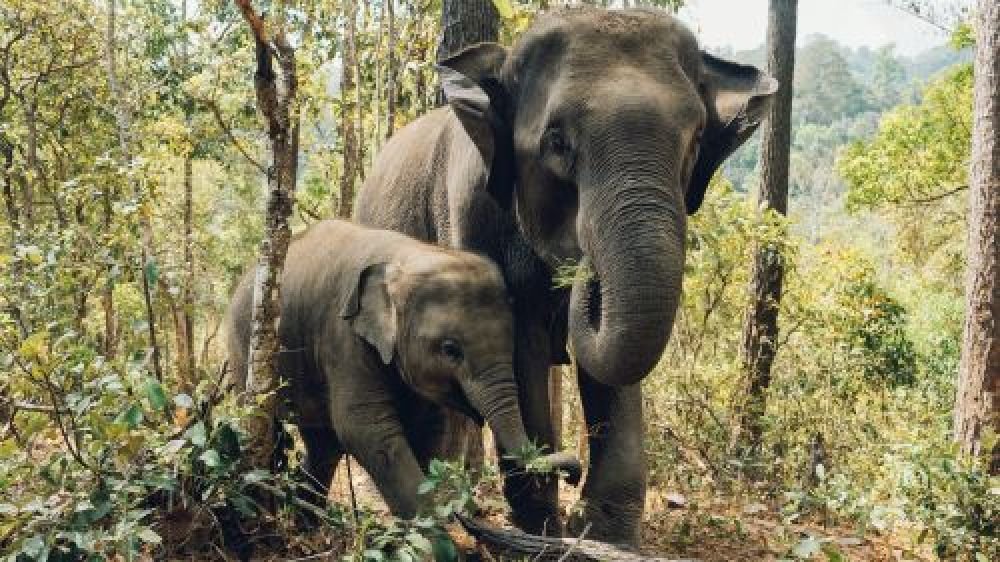
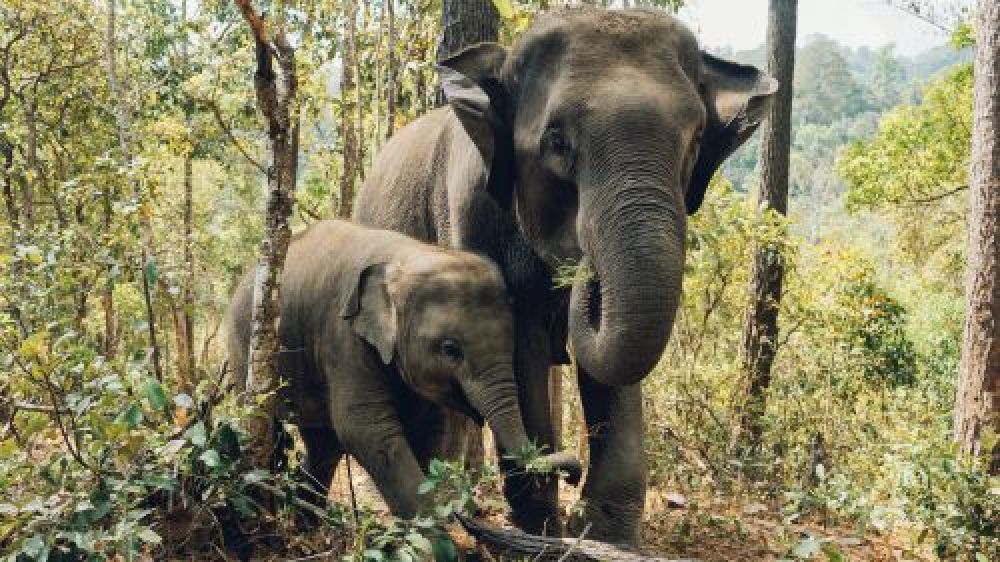
The sanctuary provides habitat to various wildlife species. Notable fauna include barking deer, wild boar, pig-tailed macaque, crab-eating mongoose, Indian porcupine, and Indian rock python. Bird enthusiasts can spot species such as barbets, bulbuls, cuckoos, darters, pigeons, drongos, ducks, Old World orioles, owls, parakeets, partridges, sunbirds, woodpeckers, weaverbirds, treepies, and jungle mynas.
Conservation Efforts and Community Involvement
The preservation of Rowa Wildlife Sanctuary is a collaborative effort between governmental bodies and local communities. The active participation of local residents has been instrumental in maintaining the sanctuary’s ecological balance. Their involvement ensures the protection of this natural haven for future generations.
Tourism and Educational Significance
Beyond conservation, Rowa serves as an educational hub for botanists, environmentalists, and students. The sanctuary’s rich biodiversity offers a living laboratory for ecological and environmental studies. Additionally, its serene environment makes it a perfect destination for nature enthusiasts and photographers.
Why This News is Important
Highlighting Tripura’s Ecological Significance
The mention of Rowa Wildlife Sanctuary brings attention to Tripura’s rich biodiversity. Often overshadowed by larger states, Tripura’s unique ecosystems play a crucial role in India’s environmental landscape. Recognizing such sanctuaries emphasizes the need to preserve these lesser-known yet vital habitats.
Educational Value for Aspirants
For students preparing for competitive exams, knowledge about regional biodiversity hotspots like Rowa is essential. Questions related to environmental conservation, wildlife sanctuaries, and their significance are common in various examinations. Understanding the importance of such sanctuaries can provide aspirants with an edge in their preparation.
Promoting Sustainable Tourism
Highlighting Rowa Wildlife Sanctuary can boost eco-tourism in the region. Sustainable tourism not only brings economic benefits to local communities but also fosters a sense of responsibility towards nature conservation among visitors.
Historical Context
Establishment and Evolution
Rowa Wildlife Sanctuary was designated as a protected area in 1988. Despite its small size, it has gained popularity due to its natural beauty and the active cooperation of the local community. The sanctuary is particularly rich in birds and reptiles, with large flocks of migratory waterfowl congregating in its water reservoirs.
Key Takeaways from Rowa Wildlife Sanctuary
Important FAQs for Students from this News
1. Where is Rowa Wildlife Sanctuary located?
Rowa Wildlife Sanctuary is situated in the North Tripura district of Tripura, India, near the town of Panisagar.
2. What is the area covered by Rowa Wildlife Sanctuary?
The sanctuary spans an area of 0.86 square kilometers.
3. When was Rowa Wildlife Sanctuary established?
Rowa Wildlife Sanctuary was established in 1988.
4. What types of flora are found in Rowa Wildlife Sanctuary?
The sanctuary hosts a variety of plant species, including medicinal herbs, aromatic plants, and orchids.
5. Which fauna species are commonly found in Rowa Wildlife Sanctuary?
Common fauna include barking deer, wild boar, pig-tailed macaque, crab-eating mongoose, Indian porcupine, Indian rock python, and numerous bird species.
Some Important Current Affairs Links