Currently Empty: ₹0

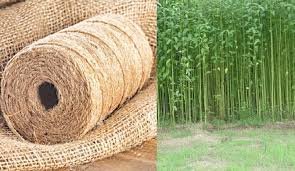
MSP for Jute Hiked to ₹6,930 – Government Boosts Farmers with 66.8% Return
0 Comments
Centre Hikes MSP on Jute, Promises 66.8% Returns for Farmers
In a significant move to support the jute farmers in India, the central government has announced a hike in the Minimum Support Price (MSP) for jute crops. The revised MSP will now offer a 66.8% return for farmers, a welcome relief for the jute cultivation sector that has faced several economic challenges in recent years.
Details of the MSP Hike
The government has increased the MSP for the Fair Average Quality (FAQ) of jute from ₹4,150 to ₹6,930 per quintal for the 2025-26 season. This move aims to ensure that jute farmers receive better prices for their produce, thus helping to stabilize their income. The increase is a part of the broader agricultural policy that aims to support the rural economy by ensuring that farmers get fair compensation for their efforts.
Impact on Jute Farmers and Rural Economy
This decision is expected to significantly impact the income of jute farmers across the country, especially in regions like West Bengal, Bihar, and Assam, where jute is a major cash crop. The government hopes that this price hike will encourage more farmers to cultivate jute, thus boosting production. Additionally, it is expected to help in improving the overall socio-economic condition of rural communities dependent on the jute industry for their livelihoods.
Why This News is Important
Government Support for Agricultural Sectors
The hike in MSP for jute is a part of the government’s ongoing effort to improve the conditions of farmers in India. This move reflects a larger commitment to ensure that agricultural sectors are not left behind in terms of profitability, especially for crops like jute that have not seen substantial income hikes in recent years.
Boost to the Jute Industry
This price increase is likely to have a domino effect on the jute industry. With a higher MSP, jute processing industries will likely source more raw material at better prices, thereby enhancing their growth prospects. This, in turn, could lead to the creation of more jobs in the processing sector and foster economic growth in rural areas.
A Step Towards Sustainable Agricultural Practices
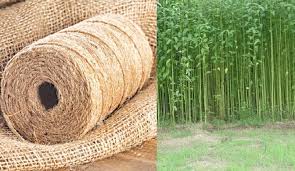
Jute is a natural and biodegradable fiber, and its increased cultivation in India is likely to benefit the environment. This move encourages sustainable farming practices, offering a green alternative to synthetic fibers. The government’s backing for jute also contributes to India’s environmental goals of reducing plastic use.
Historical Context
The Minimum Support Price (MSP) for crops in India has been a part of the government’s agricultural policies for decades, designed to protect farmers from distress sales when market prices fall below the cost of production. The government revises MSPs annually, taking into account factors like inflation, cost of production, and the needs of the farmers.
The jute industry holds a historic significance in India, with the country being one of the largest producers of jute in the world. The fiber was historically used for a variety of purposes, ranging from packaging to clothing. However, over the years, the industry faced challenges, including competition from synthetic fibers and fluctuating market prices. The government’s MSP hikes in recent years aim to revive this important industry and secure the future of millions of farmers involved in jute cultivation.
Key Takeaways from “Centre Hikes MSP on Jute, Promises 66.8% Returns for Farmers”
Important FAQs for Students from this News
What is the recent hike in MSP for jute?
- The Minimum Support Price (MSP) for jute has been increased from ₹4,150 to ₹6,930 per quintal for the 2025-26 season, representing a 66.8% rise.
How will the MSP hike benefit jute farmers?
- The MSP hike is designed to ensure that jute farmers receive better prices for their produce, helping to stabilize their income and improve their economic conditions.
Which states will benefit most from the MSP hike?
- Major jute-producing states like West Bengal, Bihar, and Assam are expected to benefit the most from the increased MSP.
What is the government’s goal with this MSP hike?
- The government aims to boost jute cultivation, improve farmers’ income, and strengthen the jute industry by ensuring fair compensation for jute farmers.
Why is jute considered an environmentally-friendly crop?
- Jute is a natural and biodegradable fiber, making it an eco-friendly alternative to synthetic fibers, which helps in reducing plastic waste.
Some Important Current Affairs Links